
Killark Control Stations
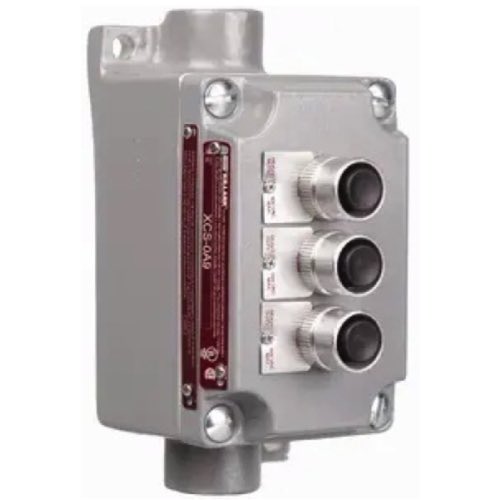
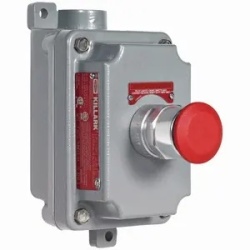
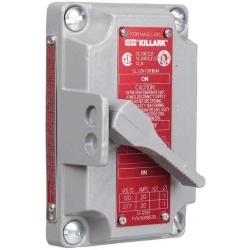
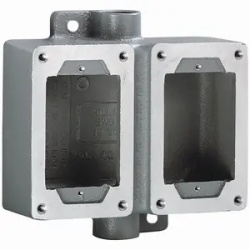
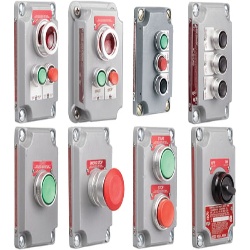
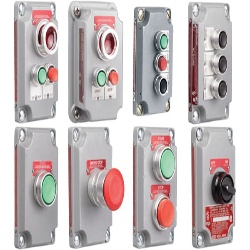
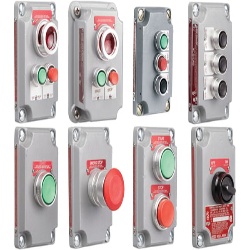
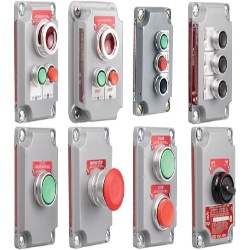
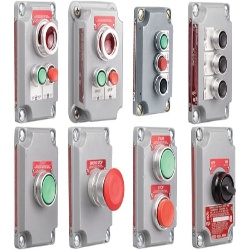
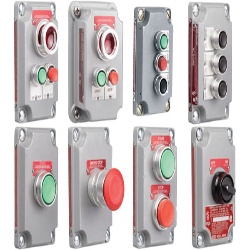
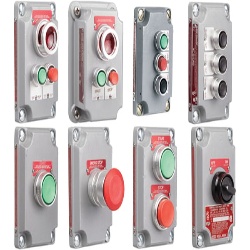
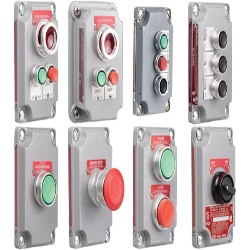
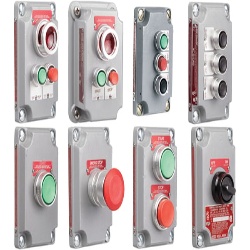
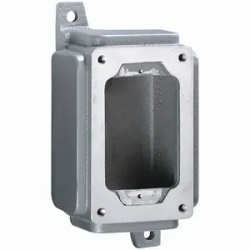
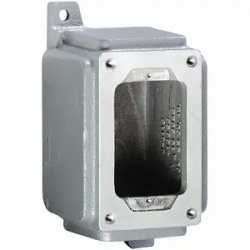
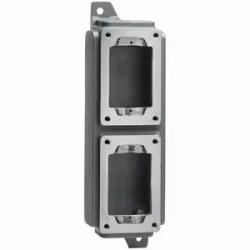
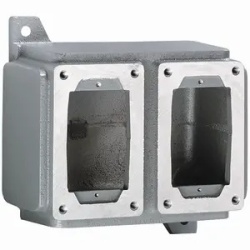
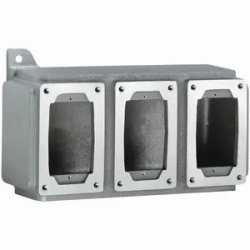
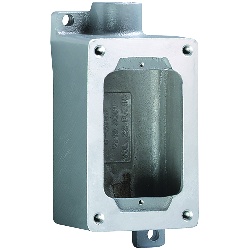
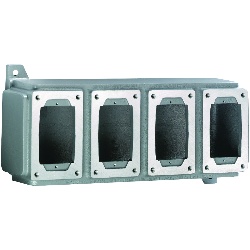
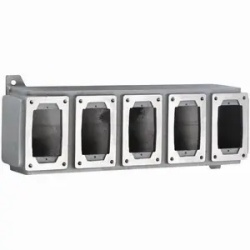
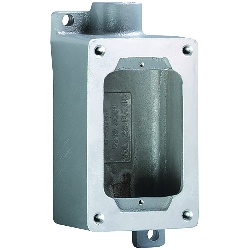
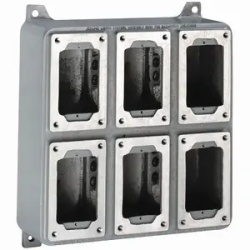
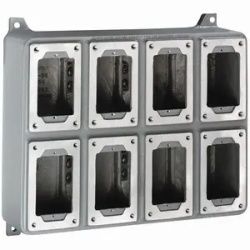
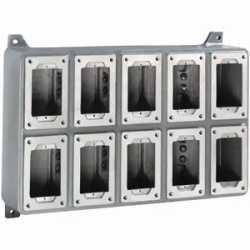
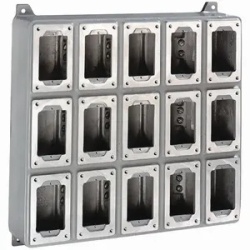
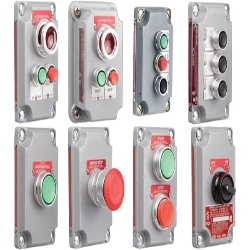
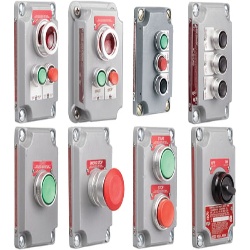
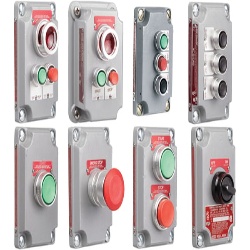
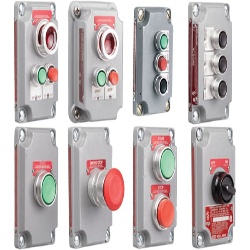
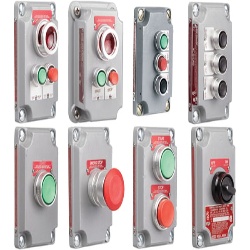
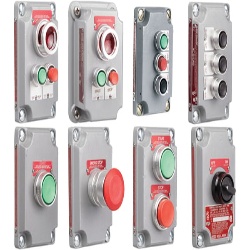
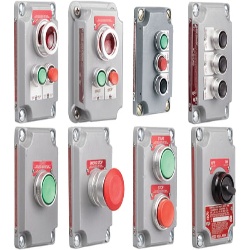
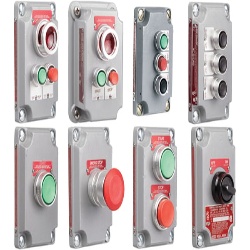
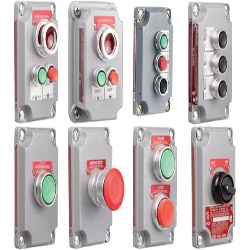
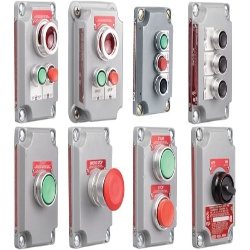
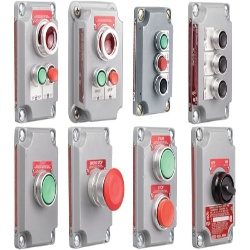
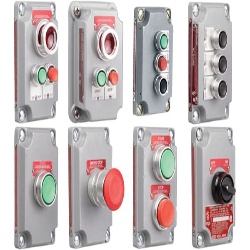
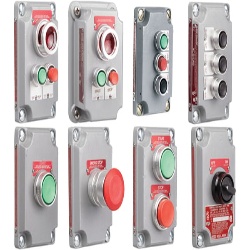
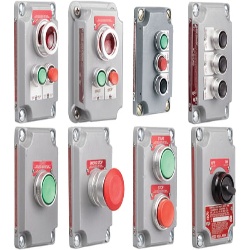
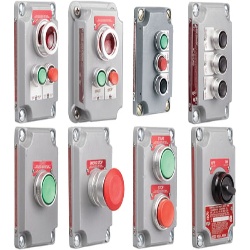
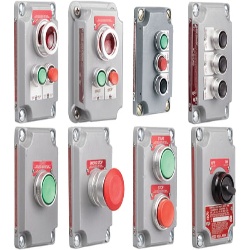
Killark control stations are rugged operator interface enclosures designed to house pushbuttons, pilot lights, selector switches, emergency stop devices, and other control components in a single assembly. These stations provide centralized manual control for motors, pumps, lighting systems, and industrial equipment, particularly in environments where hazardous conditions may be present. By grouping multiple operator devices into one enclosure, control stations simplify wiring, reduce system complexity, and improve operational accessibility.
Engineered for demanding industrial applications, Killark control stations are commonly installed in petrochemical plants, refineries, oil and gas facilities, and other environments exposed to dust, moisture, corrosion, and extreme conditions. Their heavy-duty construction supports reliable performance in areas where durability and safety are critical. Explosion-proof and corrosion-resistant configurations are available to meet hazardous location classifications and industry compliance requirements.
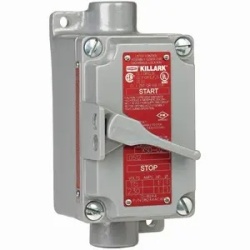
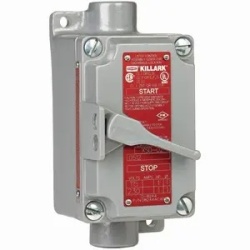
Killark control stations support a wide range of control functions, including start/stop operation, jogging control, lighting control, remote equipment control, and emergency shutdown. These solutions are widely used in chemical processing, water and wastewater treatment, power generation, and other industries requiring dependable operator interfaces in challenging environments.


FAQs
Q: What are Killark control stations used for?
Killark control stations provide centralized manual control for machinery and electrical systems by grouping operator devices such as pushbuttons, pilot lights, and selector switches within a single rugged enclosure.
Q: Are Killark control stations suitable for hazardous locations?
Yes, many Killark control stations feature explosion-proof and corrosion-resistant housings designed to meet hazardous location safety requirements when properly specified.
Q: What components can be included in a Killark control station?
Typical components include pushbuttons, pilot lights, selector switches, emergency stop devices, and other operator interface elements for machine and process control.
Q: Where are Killark control stations commonly installed?
They are commonly installed in petrochemical plants, refineries, oil and gas facilities, manufacturing plants, and other industrial environments requiring robust operator control solutions.
Q: What are the benefits of explosion-proof control stations?
Explosion-proof control stations are designed to contain internal sparks or arcs, helping prevent ignition of surrounding flammable gases or vapors in classified hazardous areas.
Why Buy Killark Control Stations from RSP Supply
RSP Supply offers a range of Killark control stations engineered for industrial and hazardous location applications. Our selection supports demanding environments where durability, compliance, and reliable manual control are essential. Customers rely on RSP Supply for knowledgeable support, trusted industrial brands, and dependable components that help maintain safe and efficient operations.