

Freewave Networking & Communication
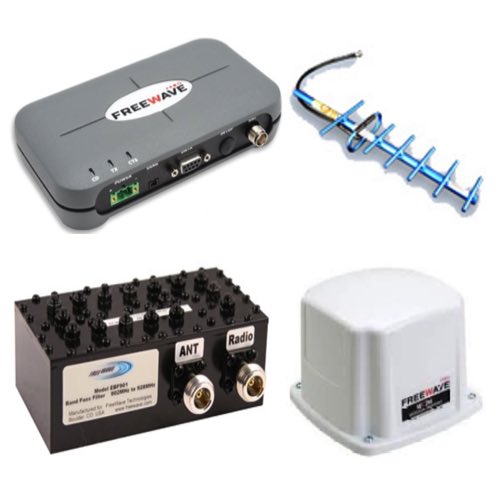
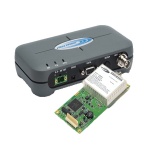
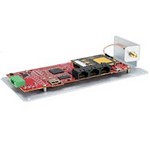
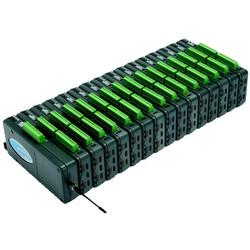
FreeWave networking and communication solutions are engineered to deliver reliable wireless data transmission for industrial, remote, and mission-critical applications. These products are commonly deployed where wired networks are impractical or unavailable, enabling secure, real-time communication between control systems, remote sites, and field devices. FreeWave solutions are widely used in SCADA systems, utilities, oil and gas operations, water and wastewater facilities, and infrastructure environments that require dependable long-range connectivity.
Designed for industrial use, FreeWave wireless networking products support asset monitoring, data collection, and control across geographically distributed systems. By enabling consistent communication between controllers, sensors, and remote equipment, these solutions help maintain operational visibility and system responsiveness in challenging environments.
FreeWave networking and communication products are built for durability and long-term performance. Many models are designed to operate in extreme temperatures, resist electrical interference, and function reliably in outdoor or remote locations. Wireless connectivity also allows for system scalability, reduced installation complexity, and faster deployment compared to traditional wired networks, making FreeWave a practical choice for expanding industrial communication systems.























FAQs
Q: What are FreeWave networking and communication products used for?
FreeWave networking and communication products are used to provide long-range wireless data transmission for industrial monitoring, control, and SCADA systems.
Q: Are FreeWave networking solutions suitable for remote environments?
Yes, FreeWave solutions are specifically designed for remote and outdoor environments where reliable wireless communication is required over extended distances.
Q: Do FreeWave networking products support industrial applications?
FreeWave networking products are commonly used in utilities, oil and gas, water and wastewater, transportation, and infrastructure applications requiring industrial-grade wireless connectivity.
Q: What makes FreeWave networking different from wired communication systems?
FreeWave wireless networking eliminates the need for physical cabling, allowing connectivity in hard-to-reach locations while supporting quicker deployment and system expansion.
Q: Where are FreeWave networking and communication systems commonly installed?
They are commonly installed at remote field sites, pumping stations, substations, pipelines, monitoring locations, and industrial facilities requiring wireless data transmission.
Why Buy FreeWave Networking and Communication Solutions from RSP Supply
RSP Supply offers a focused selection of FreeWave networking and communication solutions to support reliable industrial wireless connectivity. Our products are sourced from trusted manufacturers and designed to meet the demands of remote and industrial environments. Customers rely on RSP Supply for dependable components, technical knowledge, and solutions that support secure and consistent wireless communication across critical systems.