
ACI Current Sensors
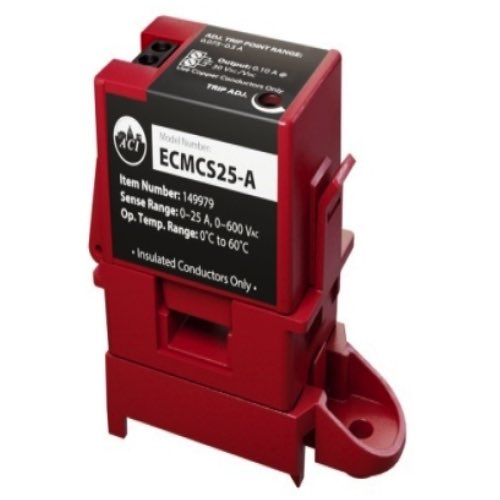
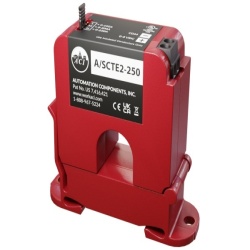
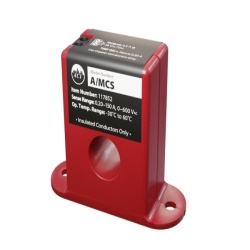
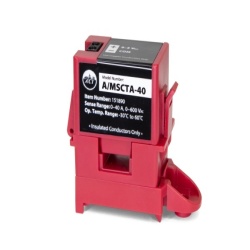
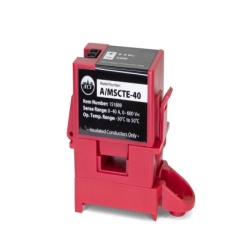
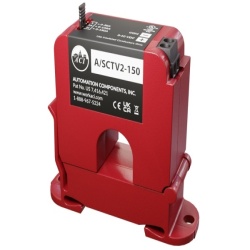
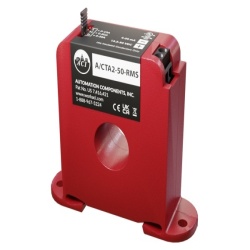
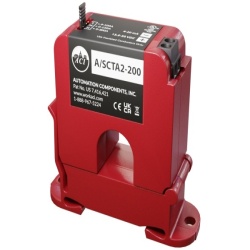
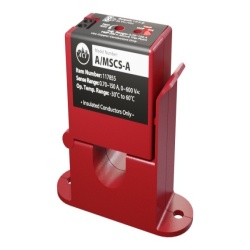
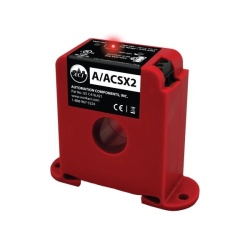
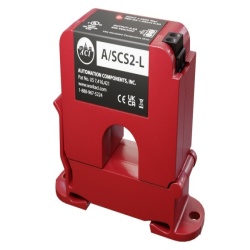
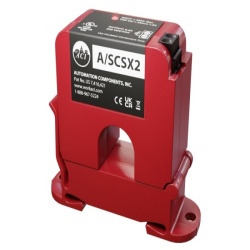
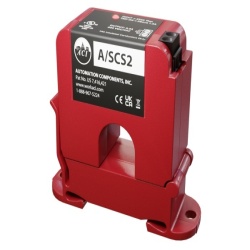
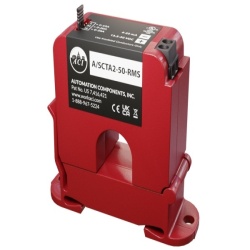
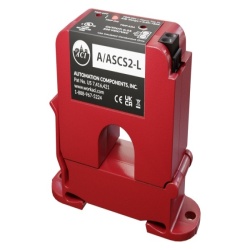
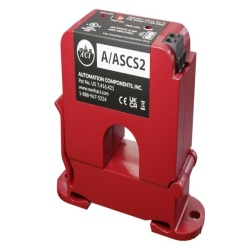
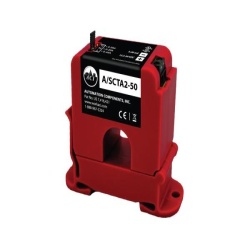
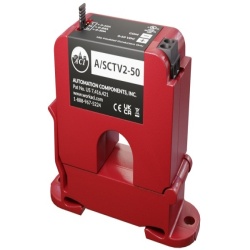
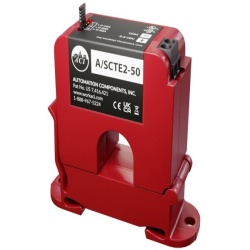
RSP Supply carries a full line of ACI current sensors designed for precise electrical measurement and monitoring in commercial, industrial, and building automation systems. ACI sensors provide dependable detection of power-consuming equipment status, helping ensure safe operation and efficient energy management. Available in split-core and solid-core designs, these sensors offer flexibility for both new installations and retrofit applications, even in limited-space environments.
ACI current sensors are vital tools for preventive maintenance and performance optimization. By continually monitoring equipment startup, run, and fault conditions, these sensors allow for early detection of irregular load behavior - reducing downtime and preventing costly failures. Integrated alarming features notify operators of abnormal current levels, enabling quick response and corrective action. With models suited for a wide range of current ranges and installation needs, ACI continues to be a trusted choice for contractors, engineers, and automation specialists. Their rugged construction and dependable accuracy make them ideal for HVAC systems, motor protection, and energy management in demanding environments.


FAQs
What do ACI current sensors measure and why are they important?
ACI current sensors measure the electrical current flowing through a conductor, allowing building automation systems, HVAC equipment, and industrial controls to verify whether motors, pumps, fans, or other loads are operating correctly. This information is essential for energy monitoring, equipment protection, and preventative maintenance because it provides real-time insight into system performance, load demand, and potential failures before they become costly issues.
Are ACI current sensors easy to install in existing systems?
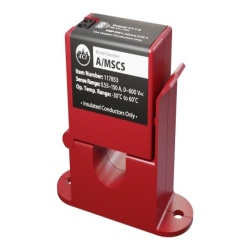
Yes, ACI designs many of its current sensors—especially the split-core models—to be extremely easy to install in retrofit or live systems. Split-core sensors clamp around the conductor without requiring you to power down equipment or disconnect wiring, significantly reducing downtime. Their compact housings, adjustable setpoints, and clear LED indicators make installation straightforward for contractors, HVAC technicians, and automation professionals working in tight or complex electrical panels.
How do ACI current sensors integrate with BAS, PLCs, and HVAC control systems?
ACI current sensors are built with wide compatibility in mind and integrate smoothly with building automation systems, PLCs, direct digital control (DDC) units, energy-management platforms, and HVAC controllers. They offer multiple output types, such as analog, solid-state, or relay outputs, so they can interface with virtually any monitoring or control architecture. This compatibility allows facilities to automate equipment status tracking, optimize energy use, and improve overall system reliability.
What applications benefit most from ACI current sensors?
ACI current sensors are used in a broad range of applications, but they are especially valuable in HVAC systems for monitoring fans, pumps, compressors, heaters, and air-handling equipment. They play a crucial role in building automation by verifying equipment operation, supporting demand-response strategies, and enabling predictive maintenance. They are also frequently used in industrial control panels, energy audits, load verification, and equipment runtime tracking to ensure electrical systems perform safely and efficiently.
What makes ACI current sensors reliable in harsh electrical environments?
ACI current sensors are engineered to maintain stable and accurate performance even in demanding electrical conditions involving noise, vibration, temperature fluctuations, or variable loads. Their designs often include high-quality magnetic cores, robust enclosures, and circuitry that filters out interference, ensuring consistent readings over long service lifetimes. This durability helps reduce false alarms, improves system uptime, and supports long-term equipment reliability in both commercial and industrial facilities.
Why Buy ACI Current Sensors from RSP Supply
RSP Supply provides a complete selection of ACI current sensors with fast shipping, competitive pricing, and expert technical support. Whether for HVAC monitoring, automation, or energy management, RSP Supply ensures you have the right sensing solutions to keep your systems running safely and efficiently.