
Omega Level Switches
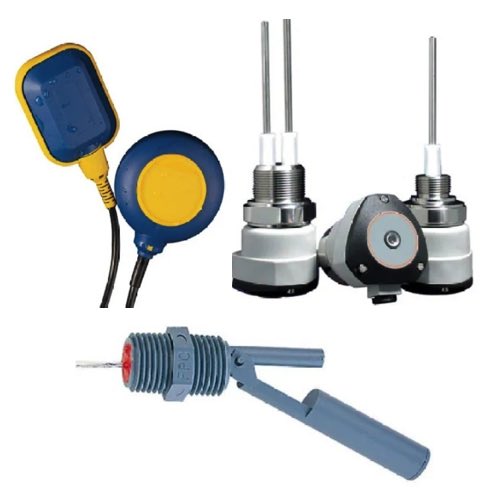
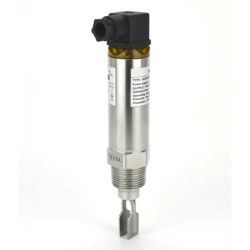
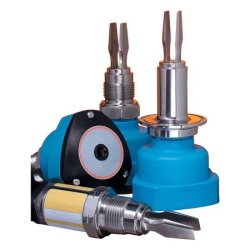
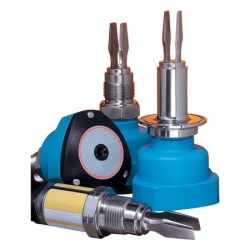
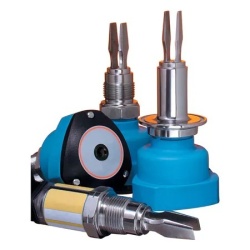
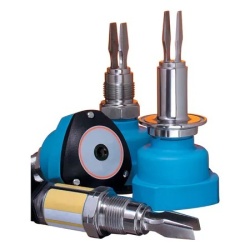
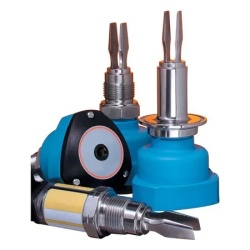
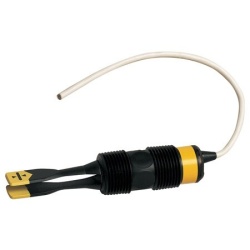
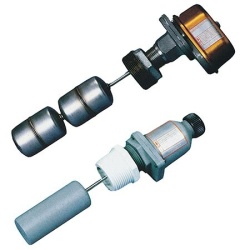
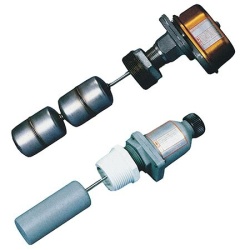
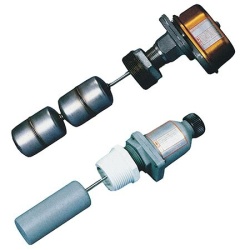
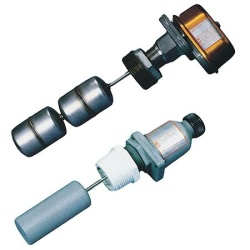
Omega level switches provide precise, reliable liquid-level monitoring over a broad range of industrial and commercial applications. Known for their accuracy and engineering versatility, Omega switches help maintain safe operating levels in tanks, sumps, and process vessels while providing reliable pump control and system protection. The catalog includes both simple mechanical designs and advanced electronic sensors. These devices are dependable solutions for everything from clean water systems to corrosive chemical processing environments.
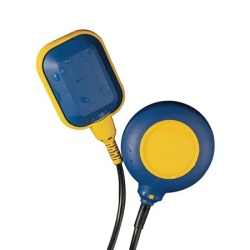
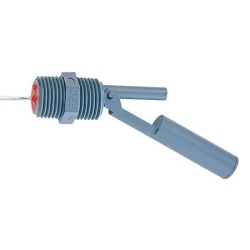
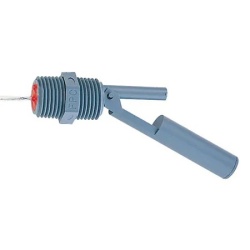
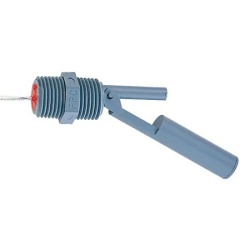
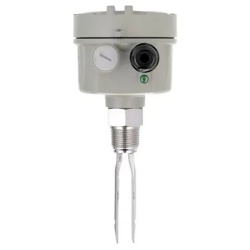
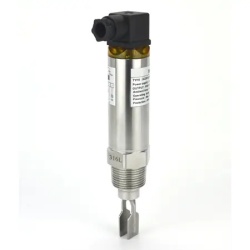
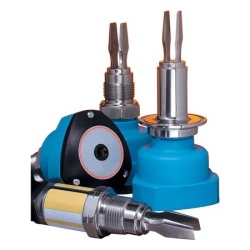
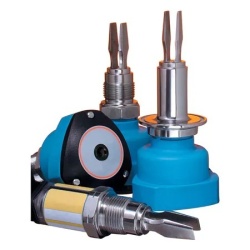
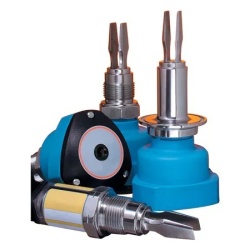
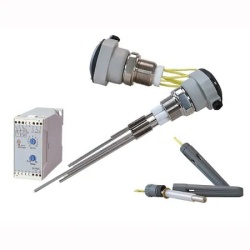
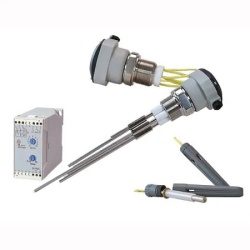
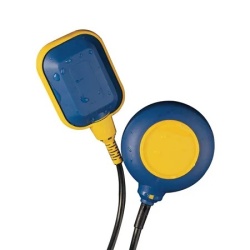
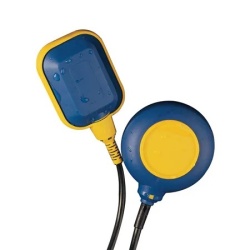
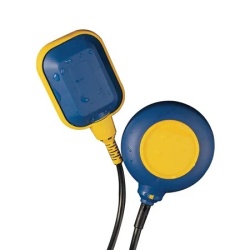
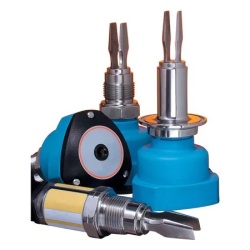
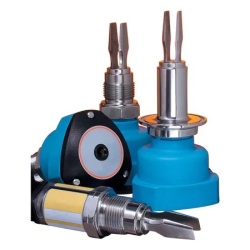
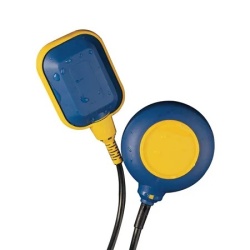
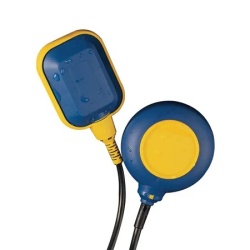
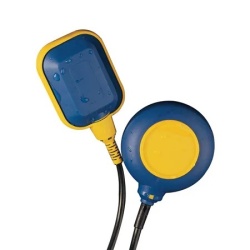
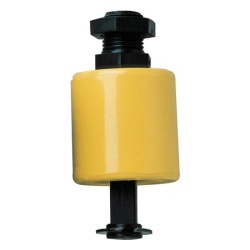
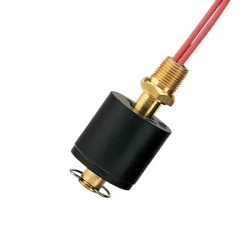
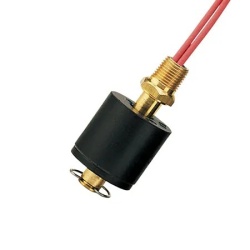
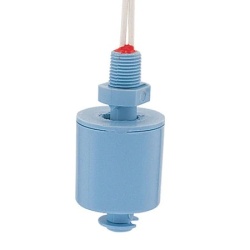
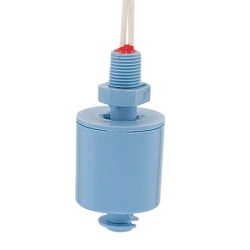
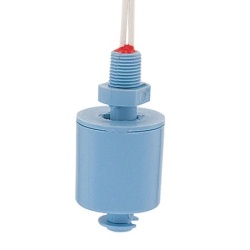
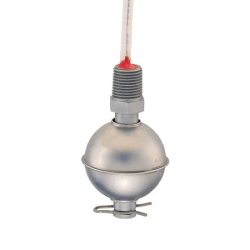
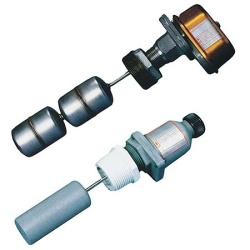
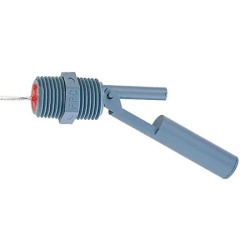
One of the biggest strengths of Omega level switches is the variety of sensing technologies they offer. Their float switches provide straightforward mechanical actuation for level control, while capacitance, ultrasonic, and optical switches deliver solid-state detection with no moving parts. Omega supports industries as varied as food processing, HVAC, petrochemical, and pharmaceutical operations.
Durability is also a big part of Omega's design approach. They have many styles for different mounting situations; for electrical connections, they have everything from simple to complex, and for output, they work with virtually all types of control systems from pumps and relays to PLCs and "smart" automated control systems. The wiring is straightforward, and their compact design allows for either replacing obsolete equipment or installing new systems with no real difference in installation or serviceability between the new level switches and the old devices they might replace.
FAQs
Q: What are Omega level switches used for?
Omega level switches are used to monitor liquid levels in tanks, vessels, and process systems to control pumps, trigger alarms, and support automated equipment operation.
Q: What types of level switches does Omega offer?
Omega offers float, optical, ultrasonic, capacitance, and solid-state level switches to accommodate a wide range of industrial applications.
Q: Are Omega level switches suitable for corrosive or chemical fluids?
Yes, many Omega level switches are made with corrosion-resistant materials designed for use with chemicals, acids, solvents, and other aggressive liquids.
Q: Do Omega level switches work with high-viscosity fluids?
Certain capacitance and ultrasonic models are suitable for viscous fluids and slurries where mechanical float switches may not perform reliably.
Q: Can Omega level switches integrate with PLCs and control systems?
Yes, Omega level switches provide standard electrical outputs compatible with PLCs, control relays, alarms, and industrial automation systems.
Why Buy Omega Level Switches from RSP Supply
RSP Supply offers a comprehensive selection of Omega level switches for industrial liquid-level monitoring and control. Customers rely on RSP Supply for access to trusted instrumentation brands, detailed technical product information, and knowledgeable support to help ensure proper switch selection, integration, and long-term system reliability.