

Semtech Cellular Antennas
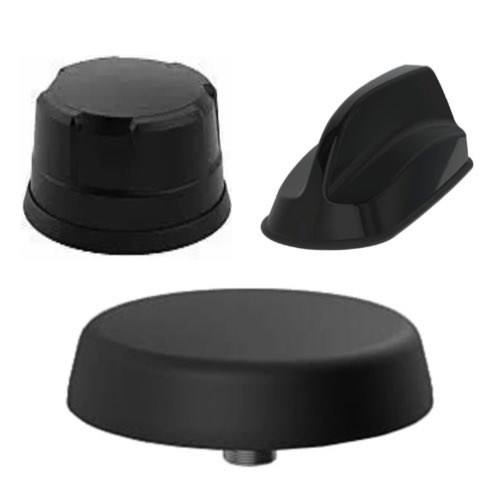
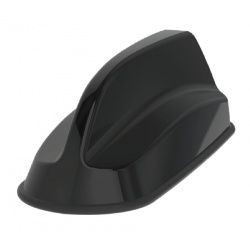
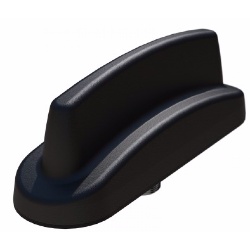
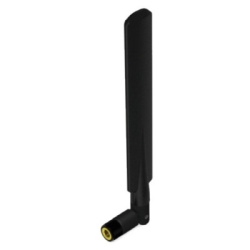
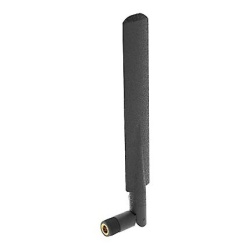
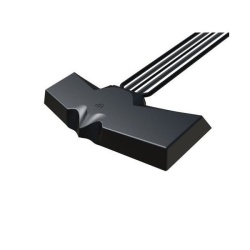
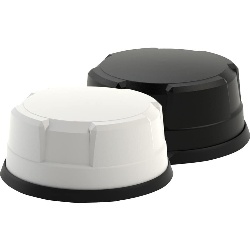
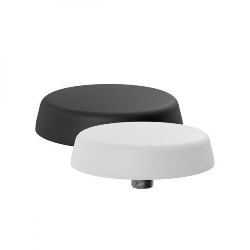
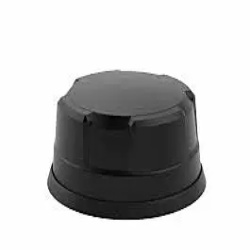
The antennas from Semtech are cellular models engineered for something very particular: long-range, reliable communication. The reason Semtech can maintain a low-noise, constant signal all the way to the edge of its range is RF tuning. The distance a radio signal can travel depends on a whole range of variables, including the design of the antenna. The more efficient the system is at generating and collecting the signal, the more distance it has to work with.
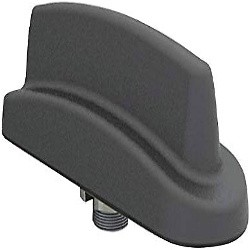
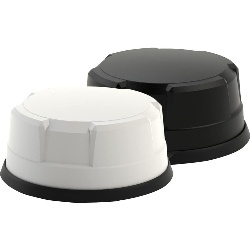
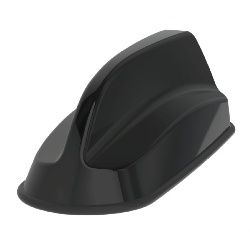
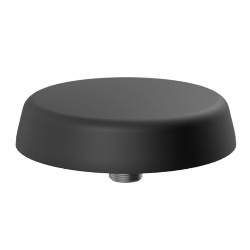
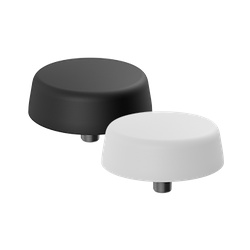
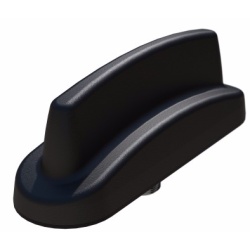
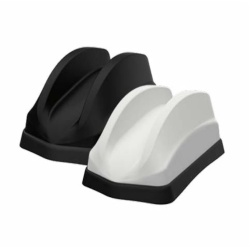
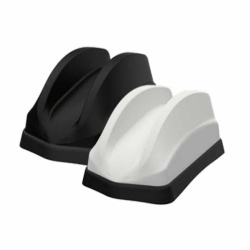
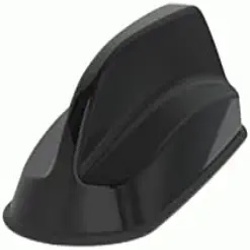
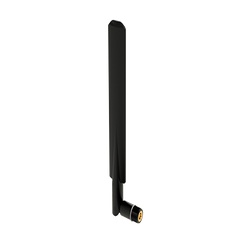
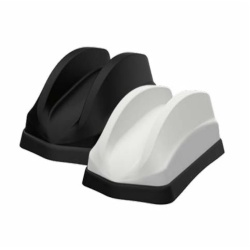
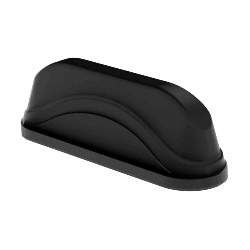
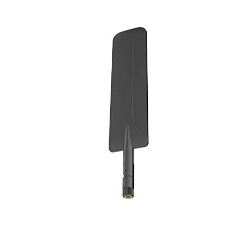
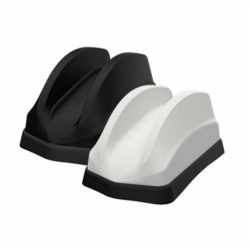
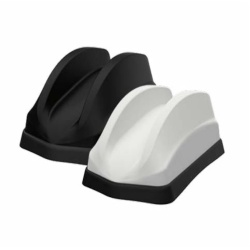
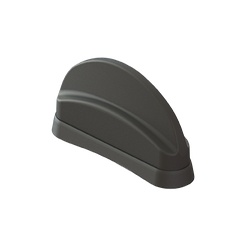
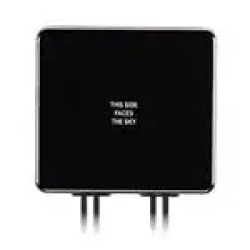
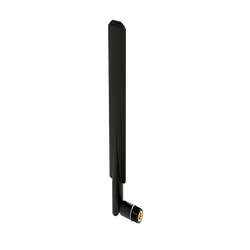
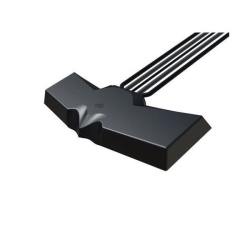
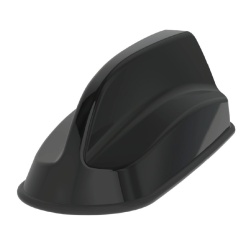
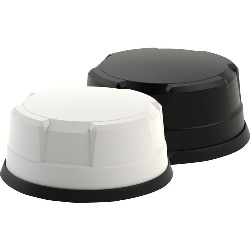
There are antenna models that can accomplish just about any task conceivable in the cellular world, whether for wide area coverage, remote endpoint connections, or point-to-point links. Some of those models are combinations of cellular and other technologies, Wi-Fi or LoRa, that make working with them in an IoT setting a lot easier. Altogether, the Semtech cellular antenna offering is widely appreciated for its combination of radio frequency (RF) performance, ruggedness, and adaptability across different indoor and outdoor applications.

FAQs
What are Semtech cellular antennas used for?
They’re used to improve LTE and 5G connectivity for IoT devices, industrial equipment, gateways, sensor networks, and long-range remote monitoring system
Are Semtech antennas compatible with major carriers?
Yes. Most models support multi-band LTE and 5G frequencies used by AT&T, Verizon, T-Mobile, and many international carriers.
Do Semtech antennas work well in weak-signal environments?
They’re known for strong sensitivity and low-noise performance, which helps maintain stable connections in challenging or remote areas.
Are Semtech cellular antennas good for IoT applications?
Yes. Semtech antennas are widely used in agriculture, utilities, asset tracking, environmental sensors, smart cities, and industrial IoT platforms.
Do Semtech antennas support MIMO?
Some models do. Higher-performance variants include multi-element MIMO designs for improved speed, bandwidth, and connection stability.
Why Buy Semtech Cellular Antennas from RSP Supply
RSP Supply offers Semtech cellular antennas engineered for dependable 4G and 5G performance in industrial and IoT applications. Our selection supports reliable long-range connectivity with antenna solutions built for durability and consistent RF performance.