

Rittal Modular Enclosures
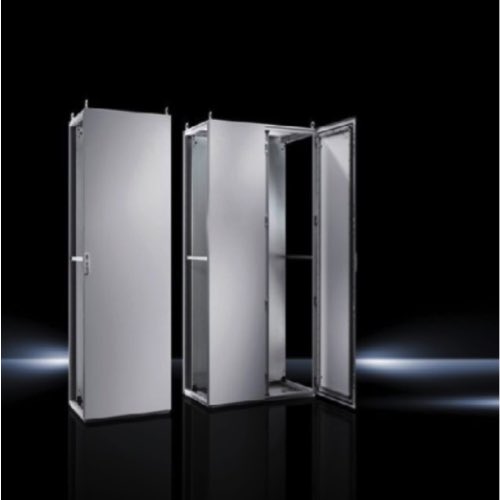
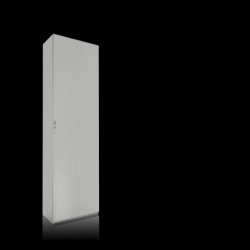
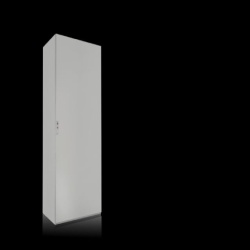
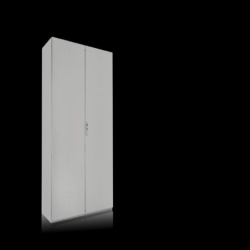
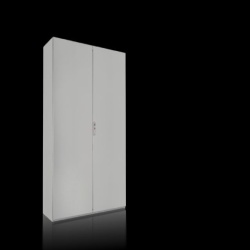
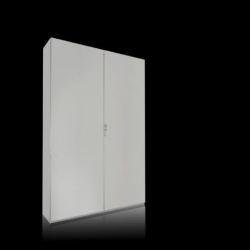
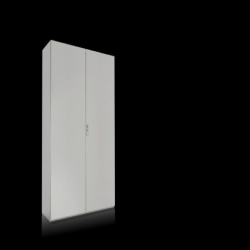
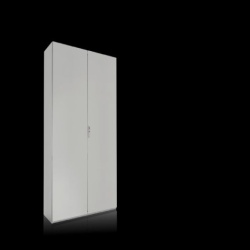
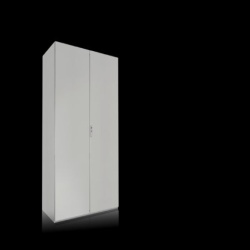
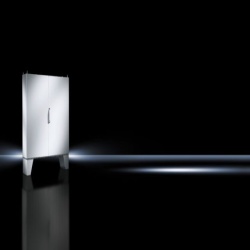
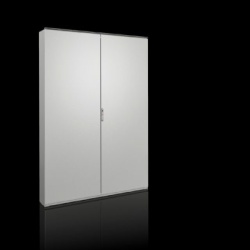
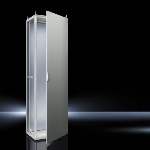
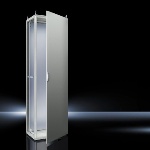
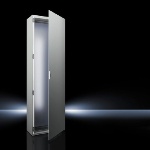
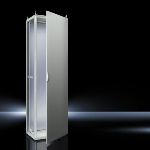
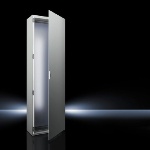
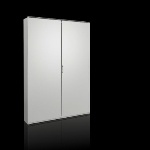
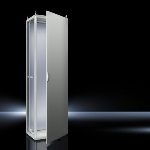
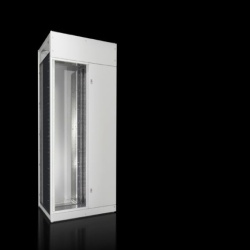
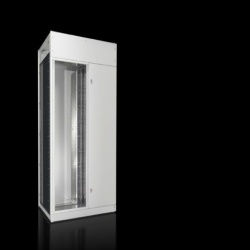
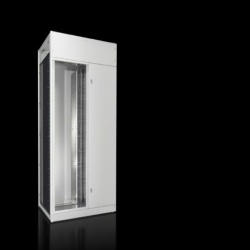
Rittal modular enclosures are engineered to support complex electrical, automation, and power distribution systems that require flexibility, strength, and long-term reliability. These enclosures are designed to scale with system demands, allowing users to expand, modify, or reconfigure installations as applications evolve. They are widely used in manufacturing facilities, power distribution systems, and IT environments where organization, protection, and adaptability are critical.
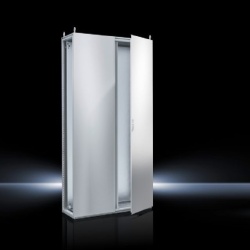
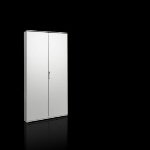
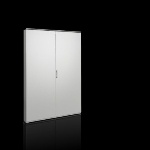
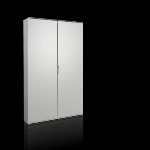
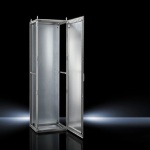
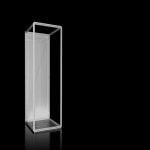
The Rittal Modular System includes industry-recognized platforms such as the TS 8 and VX25 series, which feature robust frame-based designs and high dimensional accuracy. Modular construction allows multiple enclosures to be bayed together and integrated with a wide range of accessories, terminal boxes, and cooling components. This approach simplifies cable routing, component mounting, and system expansion while maintaining enclosure integrity.
Rittal modular enclosures support the installation of control panels, power components, servers, and thermal management equipment. Designed to meet various NEMA and IP protection requirements, these enclosures help safeguard sensitive equipment from environmental hazards while improving accessibility for installation and maintenance in demanding industrial settings.







FAQs
Q: What are Rittal modular enclosures used for?
Rittal modular enclosures are used to house and protect electrical, automation, and IT equipment in industrial and commercial environments where durability, organization, and scalability are required.
Q: How do modular enclosures differ from standard electrical enclosures?
Modular enclosures use a frame-based design that allows users to configure, expand, and customize enclosure bays and accessories, unlike fixed enclosures with limited adaptability.
Q: Which Rittal modular enclosure series are most common?
The Rittal TS 8 and VX25 series are among the most widely used modular enclosure platforms, offering flexibility and strength for industrial control and power distribution applications.
Q: Are Rittal modular enclosures suitable for harsh environments?
Yes. Many Rittal modular enclosures meet NEMA and IP ratings for protection against dust, water, and corrosion, making them suitable for harsh industrial and outdoor environments.
Q: How easy are Rittal modular enclosures to install and maintain?
Rittal modular enclosures are designed for efficient installation and maintenance, featuring removable panels, accessible mounting rails, and compatibility with tool-less accessories.
Why Buy Rittal Modular Enclosures from RSP Supply
RSP Supply offers a comprehensive selection of Rittal modular enclosures designed to support scalable and reliable industrial systems. Our product offerings help customers build adaptable enclosure solutions for automation, power distribution, and IT infrastructure. With knowledgeable support and access to industry-standard enclosure platforms, RSP Supply helps ensure long-term performance and system flexibility for demanding applications.