

Wavelink Yagi Antennas
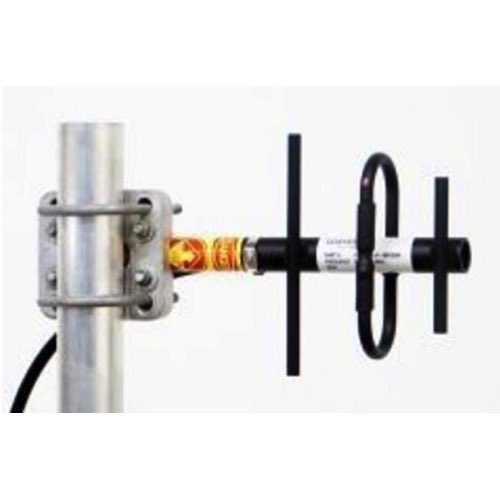
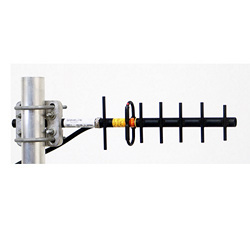
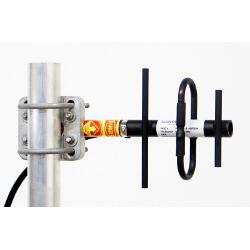
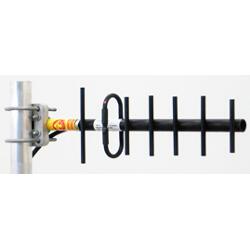
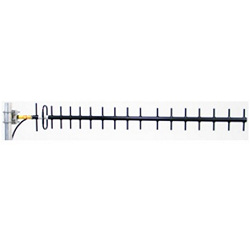
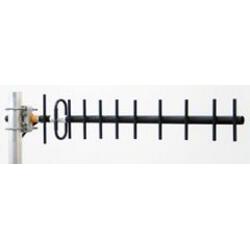
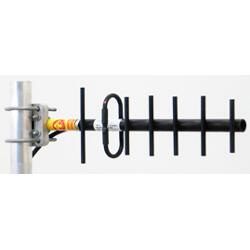
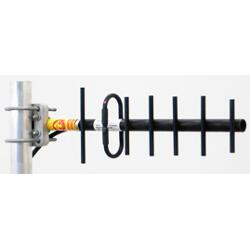
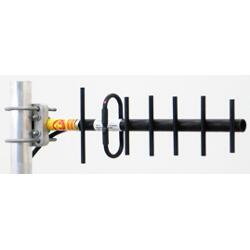
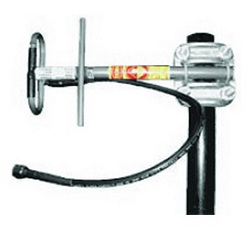
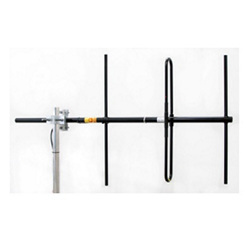
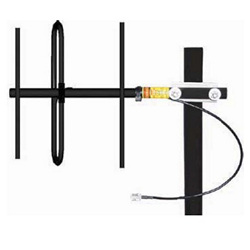
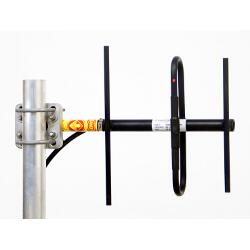
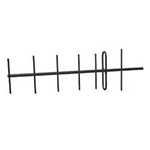
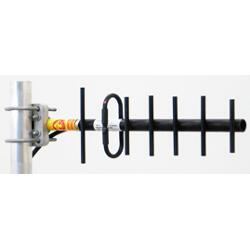
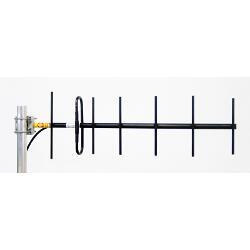
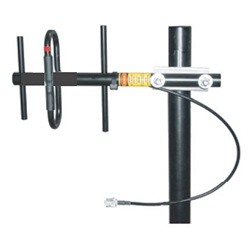
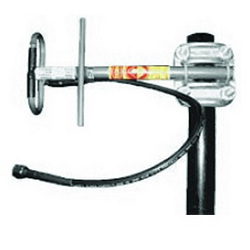
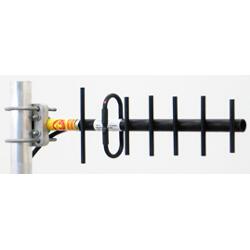
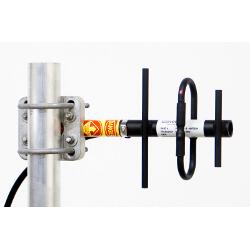
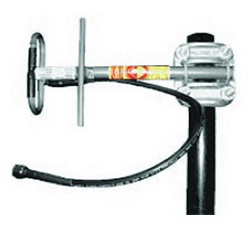
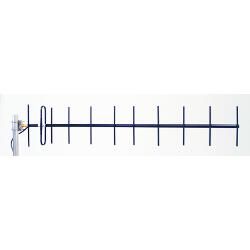
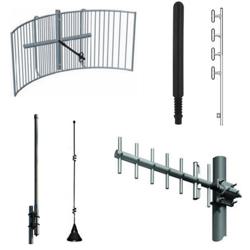
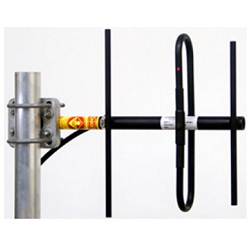
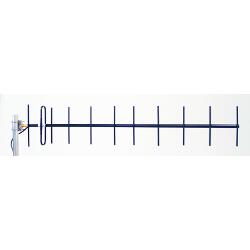
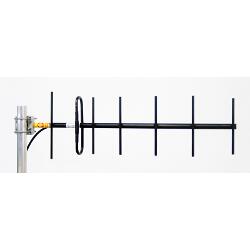
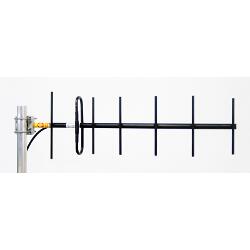
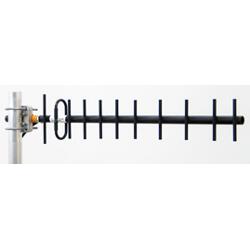
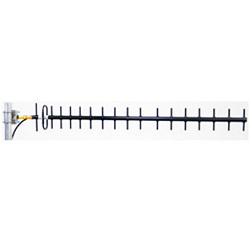
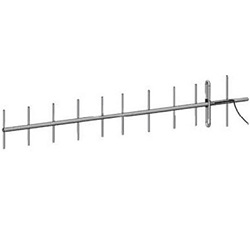
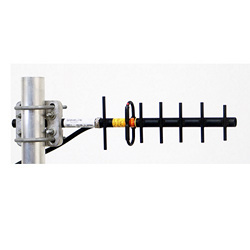
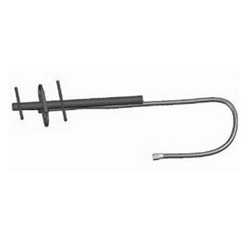
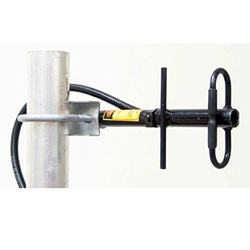
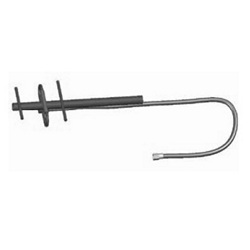
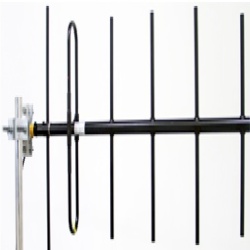
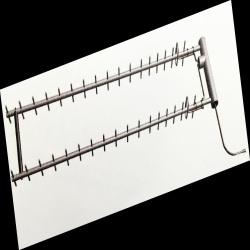
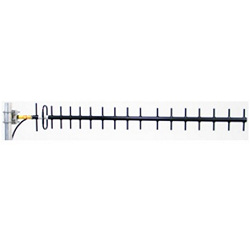
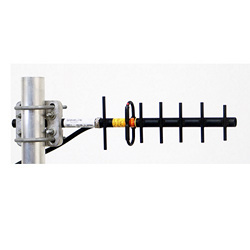
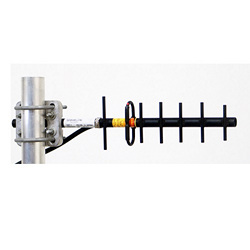
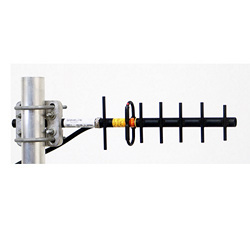
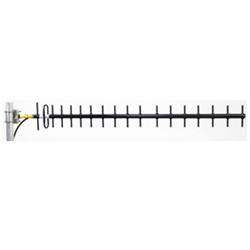
Wavelink Yagi antennas provide long-range, reliable communication where remote monitoring is needed. They are used in many industrial and commercial applications where a point-to-point or point-to-multipoint communication is required and where line of sight can be achieved. This is suitable for many applications, but Wavelink antennas seem to find their niche in SCADA (Supervisory Control and Data Acquisition) systems, telemetry (i.e., remote communication), and various kinds of wireless networked automation setups.
The Wavelink Yagi is a fairly rugged antenna that is specified for use in many harsh outdoor environments. Each Yagi is constructed with aluminum, a metal that is both lightweight and durable, and which, along with the antenna housing, is also very corrosion resistant. The Yagi is UV-resistant and is designed to withstand a range of harsh outdoor conditions, including fairly wide temperature ranges and very high humidity levels.



FAQs
What are Wavelink Yagi antennas used for?
Wavelink Yagi antennas are designed for long-range, directional wireless communication in industrial and commercial applications such as SCADA systems, telemetry networks, and remote monitoring.
What frequency ranges do Wavelink Yagi antennas support?
Wavelink offers Yagi antennas tuned for common industrial frequencies, including 900 MHz, 2.4 GHz, and 5 GHz, making them compatible with a wide range of wireless radios and communication systems.
What is the typical gain of a Wavelink Yagi antenna?
Depending on the model, Wavelink Yagi antennas generally provide between 6 and 13 dBi of gain, allowing for extended coverage and improved signal clarity over long distance
Can Wavelink Yagi antennas be used in SCADA and telemetry systems?
Yes. These antennas are ideal for point-to-point or point-to-multipoint communication links in SCADA, telemetry, and process control systems used in water, wastewater, and energy applications.
Are Wavelink Yagi antennas compatible with other manufacturers’ equipment?
Yes. As long as the frequency range and connector type match, Wavelink Yagi antennas can be used with most industrial radios, modems, and wireless access points.