
Weidmuller Specialty Terminal Blocks
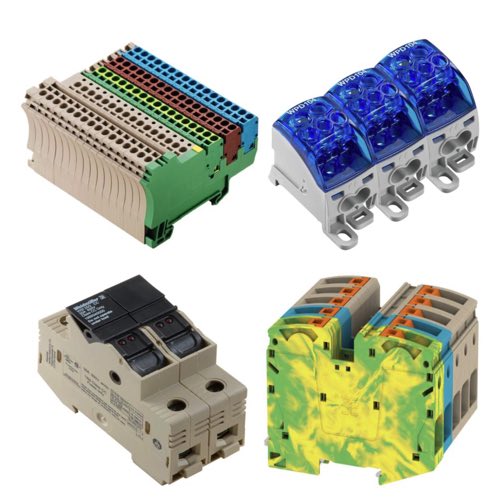
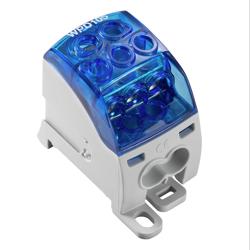
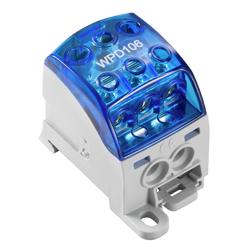
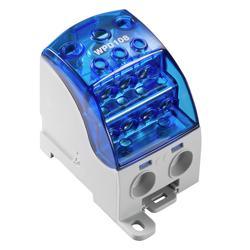
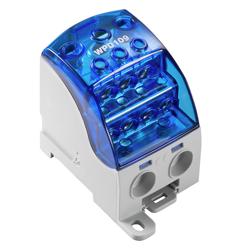
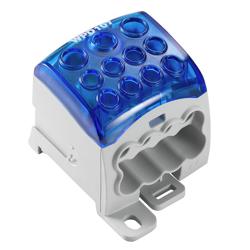
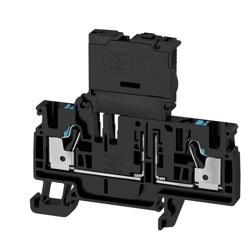
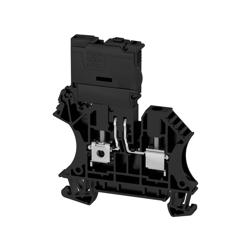
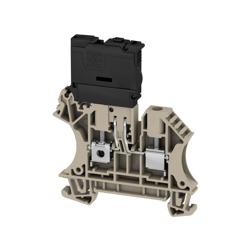
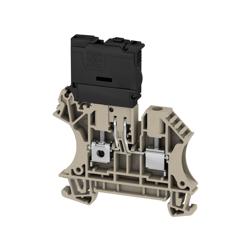
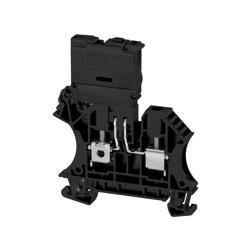
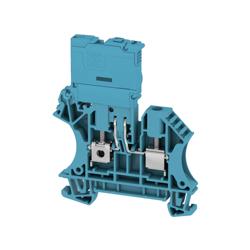
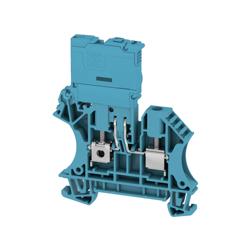
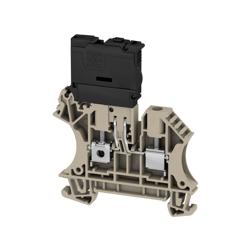
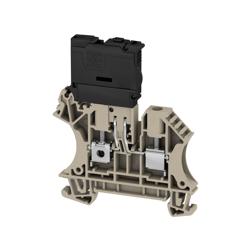
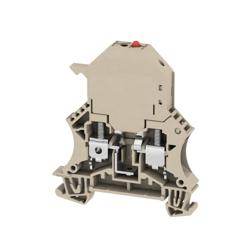
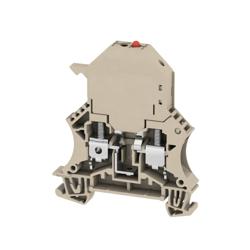
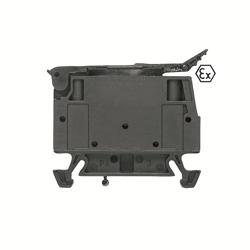
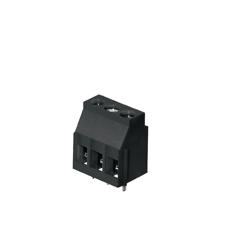
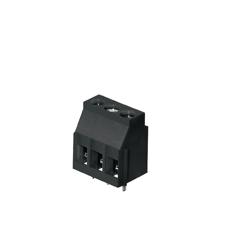
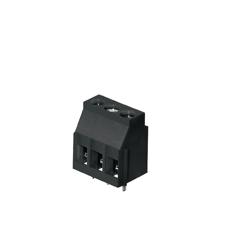
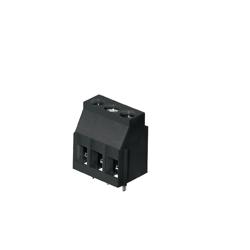
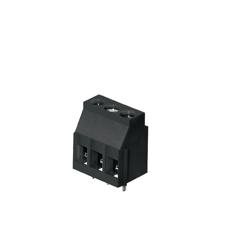
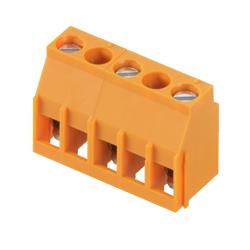
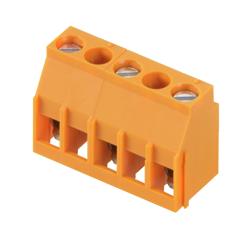
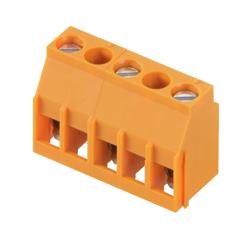
Weidmüller specialty terminal blocks are designed for reliable electrical connectivity in control cabinets, machinery, process automation, and industrial wiring systems. These terminal blocks provide secure connection points for distributing power, signals, and control wiring across panel-mounted equipment.
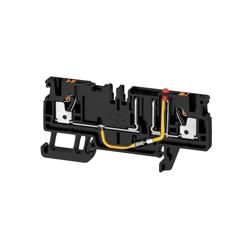
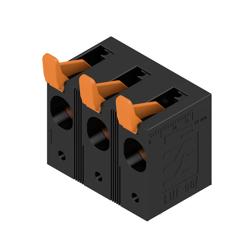
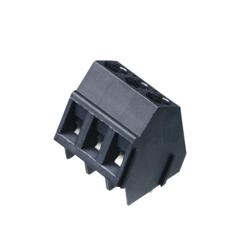
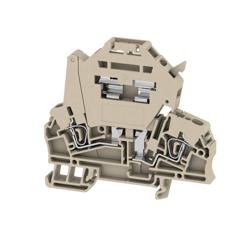
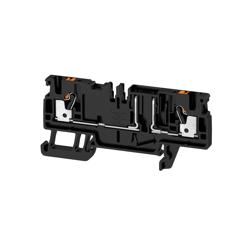
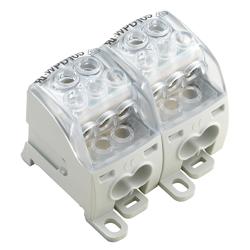
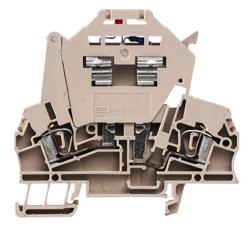
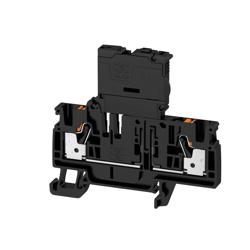
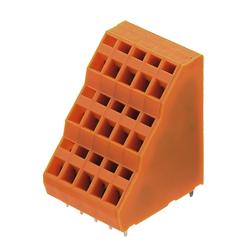
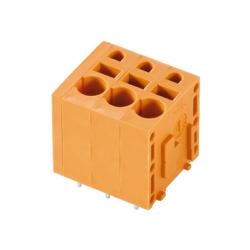
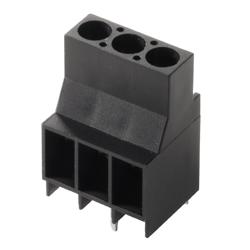
Available options may include multi-level terminal blocks, feed-through terminal blocks, modular terminal blocks, and specialty connection designs. Many models support DIN rail mounting and use advanced connection technologies such as tension clamp or push-in wiring to help maintain stable conductor contact in demanding applications.
RSP Supply carries Weidmüller specialty terminal blocks for panel builders, automation professionals, and industrial maintenance teams. These products support organized wiring, flexible configuration, and dependable conductor termination in control panels and electrical enclosures.


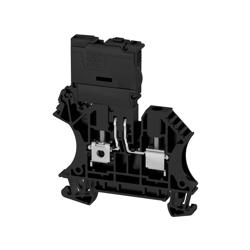
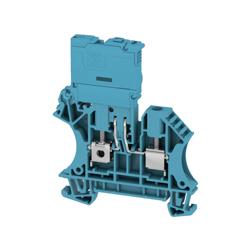
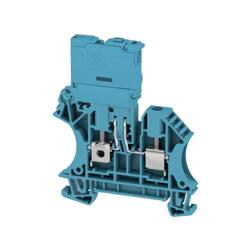
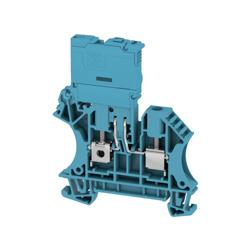
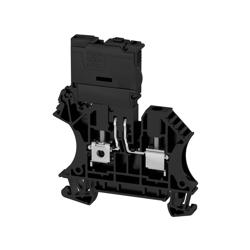
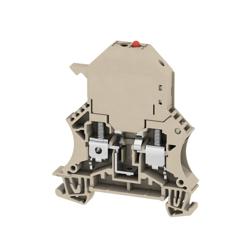
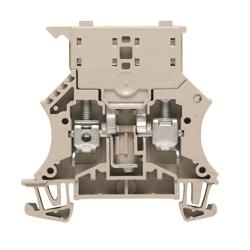
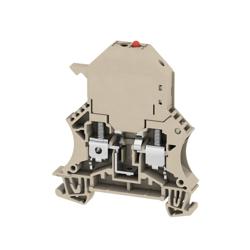
FAQs
Q: What are Weidmüller specialty terminal blocks used for?
Weidmüller specialty terminal blocks are used to connect, distribute, and organize power, signal, and control wiring in industrial electrical systems.
Q: Do Weidmüller terminal blocks require wire ferrules?
Many Weidmüller terminal blocks can accept ferruled or unferruled conductors, depending on the connection technology and product specifications.
Q: Are Weidmüller terminal blocks designed for DIN rail mounting?
Yes, many Weidmüller terminal blocks are designed for DIN rail installation in control cabinets and electrical enclosures.
Q: What types of specialty terminal blocks are available?
Common types include multi-level terminal blocks, feed-through terminal blocks, modular terminal blocks, and application-specific connection blocks.
Q: Can Weidmüller terminal blocks support automated wiring?
Yes, certain Weidmüller terminal block designs support efficient wiring processes, including automated or high-volume panel assembly workflows.
Why Buy Weidmüller Specialty Terminal Blocks from RSP Supply
RSP Supply offers Weidmüller specialty terminal blocks for industrial wiring, automation panels, and control cabinet applications. Customers rely on RSP Supply for dependable product selection, knowledgeable support, and components suited for reliable connectivity in demanding electrical environments.