
3M Protective Communications
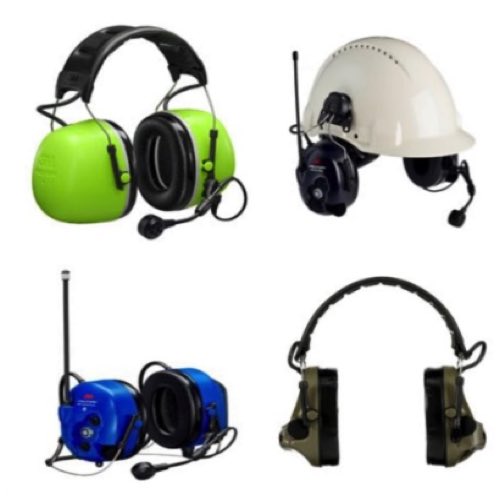
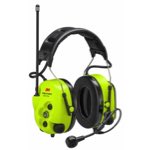
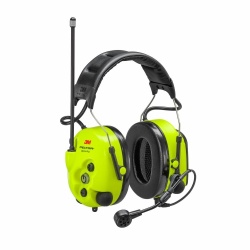
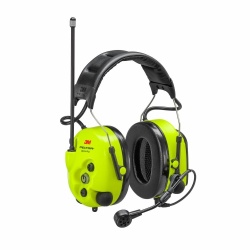
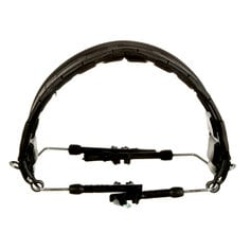
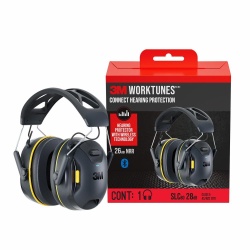
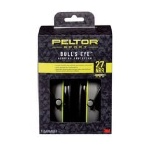
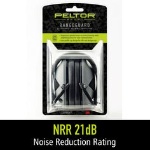
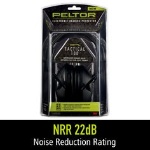
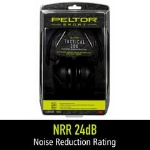
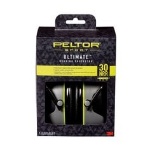
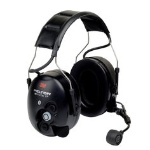
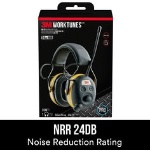
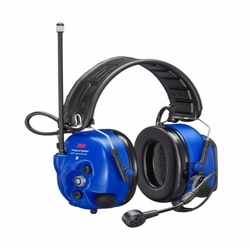
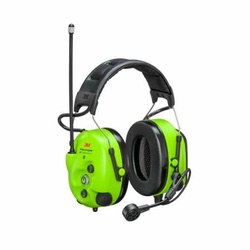
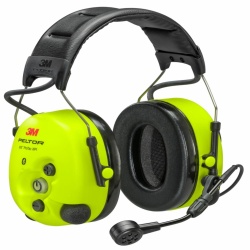
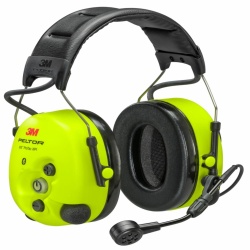
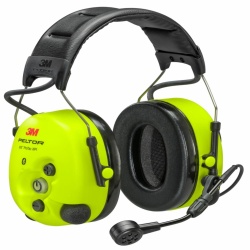
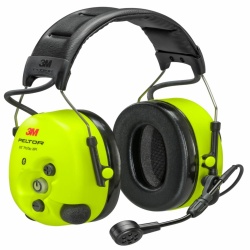
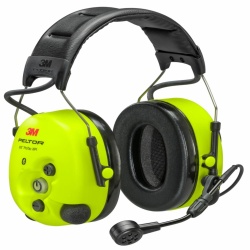
3M Protective Communications products include PELTOR wired, wireless, and Bluetooth-enabled headsets with electronic active noise reduction technology, two-way radio integration, cushioned ear cups, and adjustable headbands for industrial, construction, manufacturing, and tactical environments. RSP Supply carries a complete line of 3M Protective Communications products designed to keep workers protected and connected. These advanced headsets combine superior hearing protection with clear, reliable communication for industrial, construction, manufacturing, and tactical environments. The PELTOR line is one of the most trusted in professional safety communications, using electronic hearing protection technology to reduce harmful background noise while amplifying speech and important sounds.
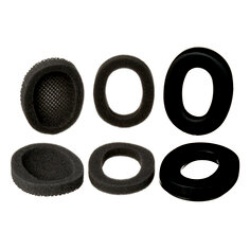
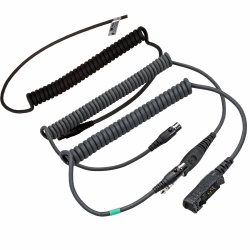
PELTOR headsets use active noise reduction technology, where sensors detect loud sound and generate an opposite wave that cancels it out, effective in the 100 to 120 dB range. At the same time, built-in microphones pick up low-level speech and warning beeps, and integrated speakers amplify them so workers can communicate clearly and respond to alarms or instructions without removing their protection, helping maintain both safety and efficiency in noisy environments. Available in multiple configurations, 3M Protective Communications systems include wired, wireless, and Bluetooth-enabled models, with options that integrate seamlessly with two-way radios through universal audio jacks and optional Bluetooth adapters. Designed for comfort during long shifts, they feature cushioned ear cups, adjustable headbands, and lightweight materials to minimize fatigue. Each model undergoes rigorous testing to meet global safety standards, ensuring reliable protection and performance in any high-noise workplace.









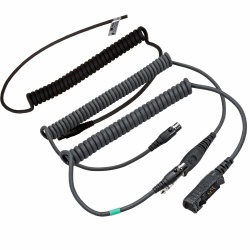

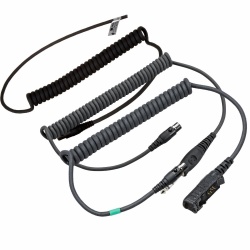

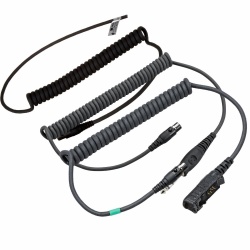
FAQs
What do 3M Protective Communications systems do?
These systems are made for environments where noise is too loud for clear communication. They serve a dual purpose: protecting workers hearing from damage while allowing them to carry on a clear two-way conversation with teammates.
How does the 3M protective communications technology work?
PELTOR headsets use active noise reduction, where sensors detect loud sound and produce an opposite wave that cancels it out, effective in the 100 to 120 dB range. At the same time, a microphone picks up low-level speech and warning beeps, and built-in speakers amplify them for the wearer.
What is the 3M PELTOR brand?
PELTOR is 3M's flagship line of protective communication headsets, known for being tough, comfortable, and built to last in demanding industrial, construction, and tactical environments.
What's the difference between passive and electronic headsets?
Passive headsets block sound using foam or thick shells and require no power. Electronic headsets use microphones, speakers, and onboard electronics to cut loud noise while boosting quiet sounds, providing awareness of alarms while still protecting hearing.
Can 3M headsets communicate with radios or Bluetooth devices?
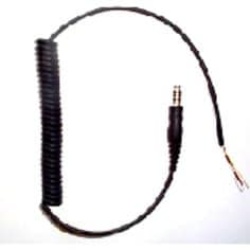
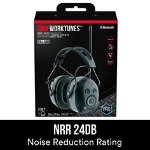
Yes. Many PELTOR models have universal audio jacks and optional Bluetooth adapters, allowing connection to two-way radios, Bluetooth phones, or intercoms so workers stay protected while remaining in communication across different devices.
Why Buy from RSP Supply
RSP Supply is an authorized distributor of 3M Protective Communications products, offering a full range of PELTOR wired, wireless, and Bluetooth-enabled headsets in stock and ready to ship. Our knowledgeable team helps customers choose the right headset for their specific environment, ensuring compliance, comfort, and safety. With competitive pricing, fast delivery, and dependable customer support, RSP Supply is your trusted partner for 3M safety communication solutions.