

Mersen AC Line Surge Protectors
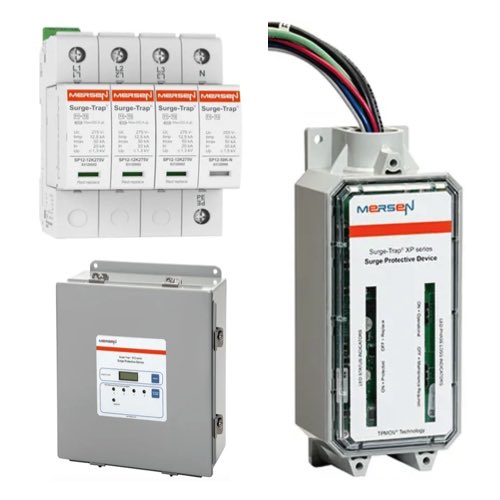
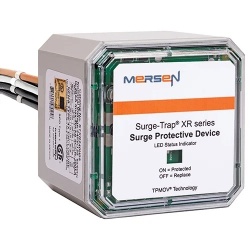
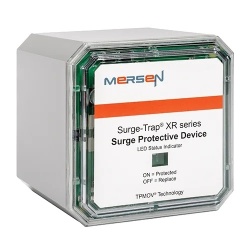
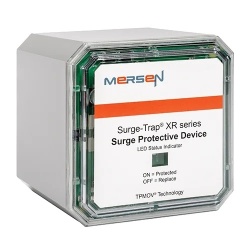
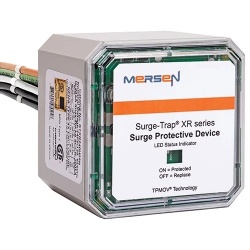
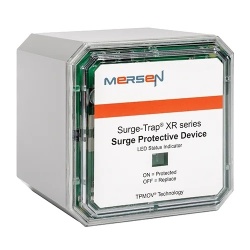
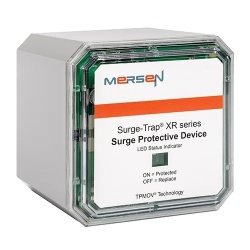
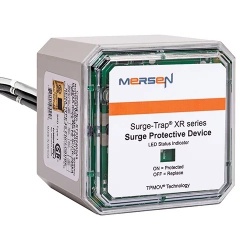
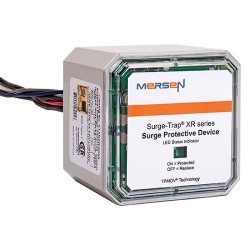
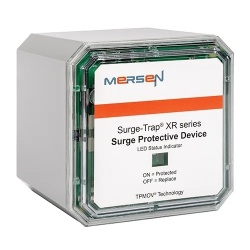
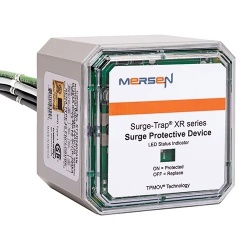
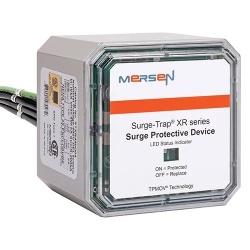
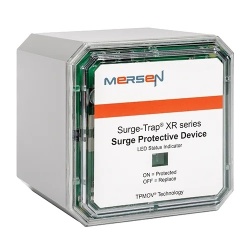
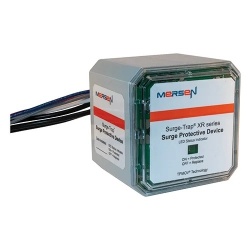
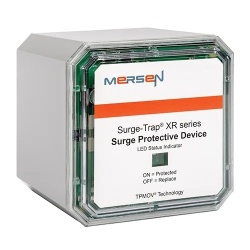
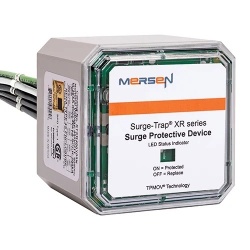
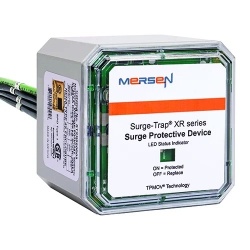
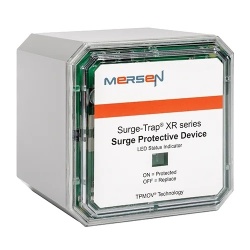
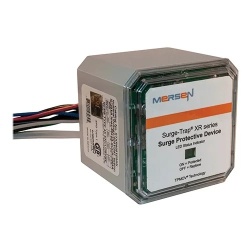
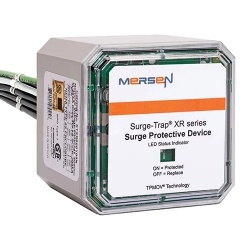
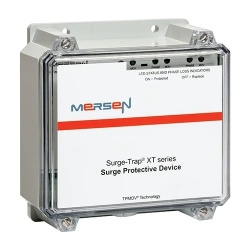
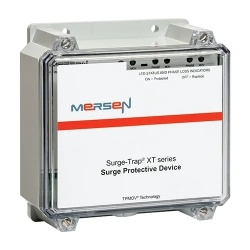
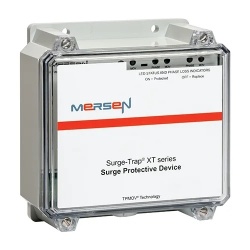
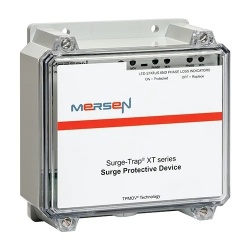
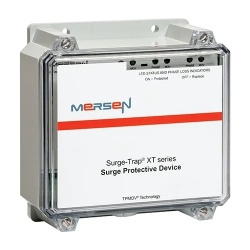
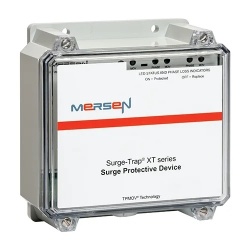
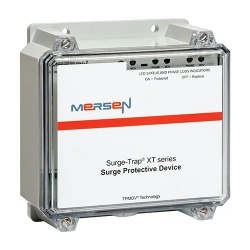
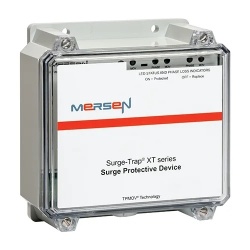
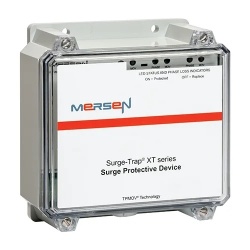
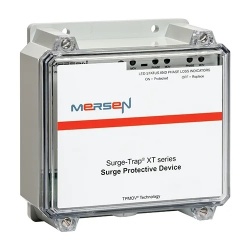
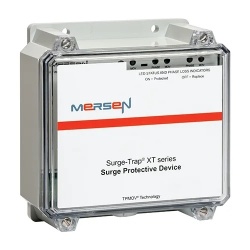
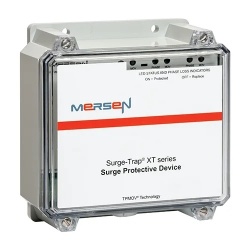
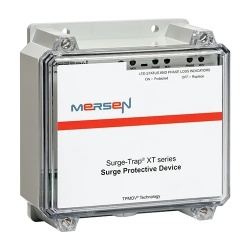
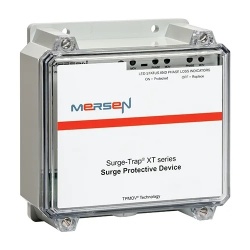
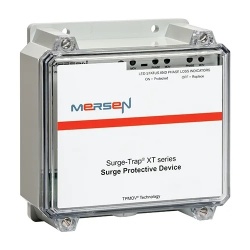
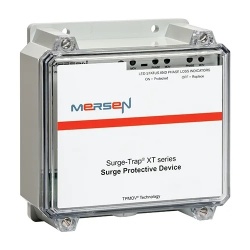
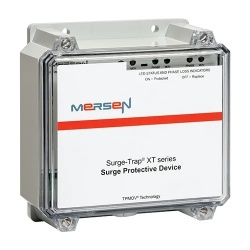
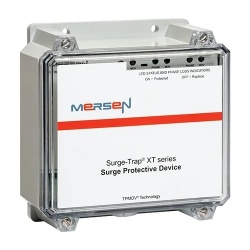
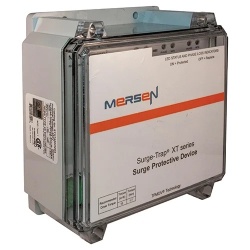
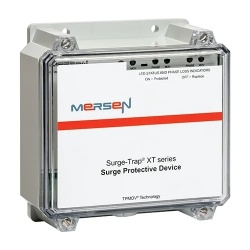
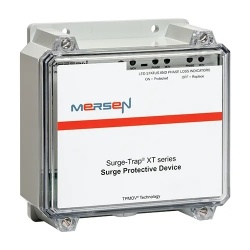
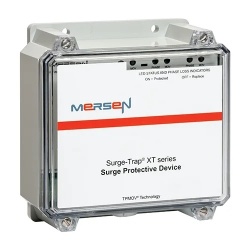
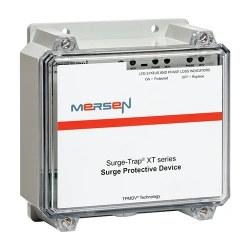
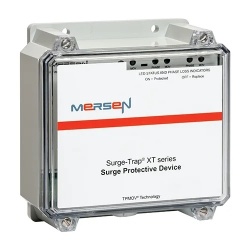
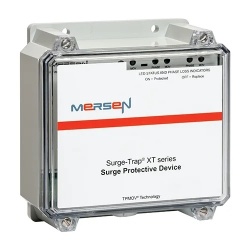
Mersen AC line surge protectors are designed to protect electrical systems from transient overvoltage events caused by lightning strikes, utility disturbances, and switching operations. These surge protection devices (SPDs) respond within microseconds to divert excess energy safely to ground, helping prevent damage to sensitive equipment and reducing the risk of unplanned downtime. RSP Supply offers Mersen surge protectors engineered for industrial and commercial power systems where reliability is critical.
Built with advanced metal oxide varistor (MOV) and hybrid suppression technologies, Mersen SPDs provide consistent performance even under repeated surge conditions. They are available in configurations for single-phase and three-phase AC systems and are commonly installed on panelboards, switchgear, and control panels. Robust internal construction and integrated protective components help ensure controlled operation during high-energy surge events.
Many Mersen AC line surge protectors are UL 1449 listed and designed in accordance with IEC 61643 standards. Diagnostic indicators and optional remote signaling features simplify monitoring and maintenance, allowing users to quickly assess protection status. With durable enclosures and safety-focused designs, Mersen surge protectors support long-term protection of electrical infrastructure in industrial facilities, commercial buildings, data centers, and renewable energy installations.ents.
FAQs
Q: What is an AC line surge protector used for?
An AC line surge protector is used to protect electrical systems and equipment from transient overvoltages caused by lightning, power switching, and utility disturbances.
Q: How do Mersen surge protectors work?
Mersen surge protectors use MOV and hybrid suppression technologies to react quickly to overvoltage events and divert excess energy to ground before it reaches downstream equipment.
Q: Where are Mersen AC surge protectors typically installed?
They are commonly installed at service entrances, panelboards, switchgear, and control panels to protect industrial and commercial electrical systems.
Q: Do Mersen surge protectors meet industry safety standards?
Yes, many Mersen SPDs are UL 1449 listed and designed to meet IEC 61643 standards for surge protection devices.
Q: What causes power surges in electrical systems?
Power surges can be caused by lightning strikes, switching of motors or transformers, utility grid disturbances, and certain operational activities such as starting large equipment.
Why Buy Mersen AC Line Surge Protectors from RSP Supply
RSP Supply offers a selection of Mersen AC line surge protectors designed for reliable protection of industrial and commercial electrical systems. Our product offerings support a range of system voltages and installation requirements, with features that simplify monitoring and maintenance. Customers rely on RSP Supply for trusted power protection brands, technical expertise, and dependable solutions for managing electrical surge risks.