

Appleton Hazardous Location Enclosures
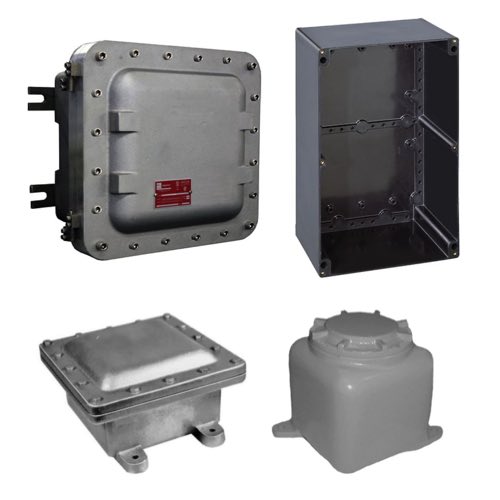
RSP Supply carries a full line of Appleton Hazardous Location Enclosures designed for explosion-proof protection in Class I, II, and III Division 1 and 2 areas. Built for maximum safety and durability, these enclosures safeguard electrical components in environments with flammable gases, vapors, dust, or fibers.
Appleton enclosures meet or exceed NEC, CEC, UL, and ATEX standards, ensuring full compliance for hazardous locations such as oil refineries, chemical plants, grain processing facilities, and offshore platforms. Constructed from copper-free aluminum, stainless steel, or fiberglass-reinforced polyester, they provide excellent resistance to corrosion, impact, and extreme temperatures.
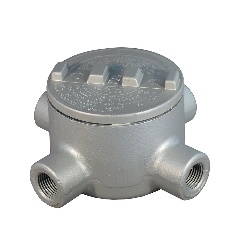
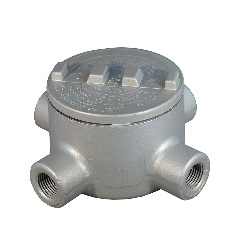
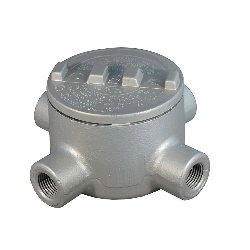
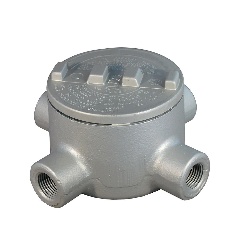
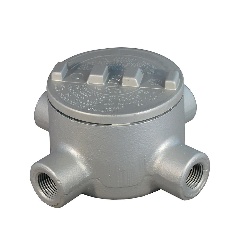
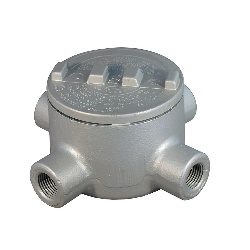
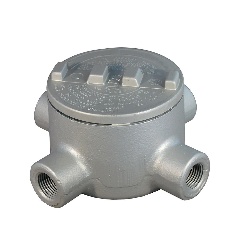
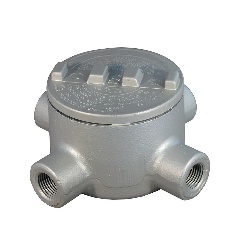
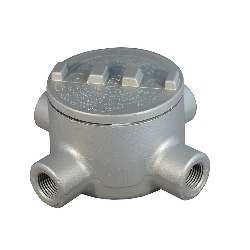
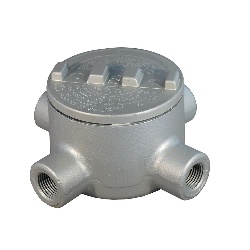
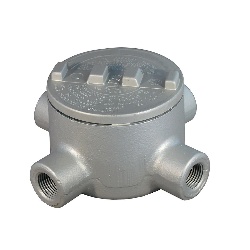
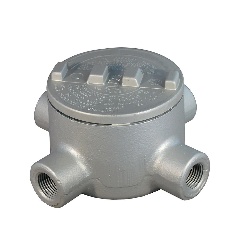
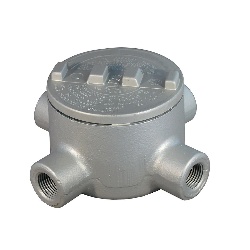
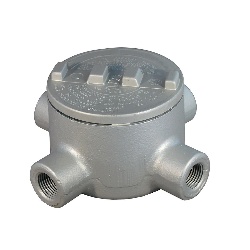
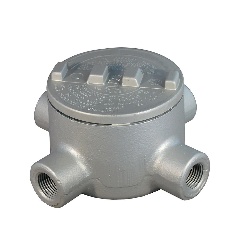
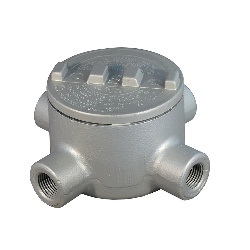
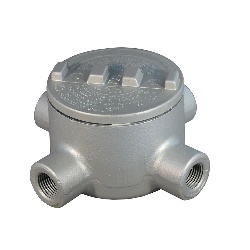
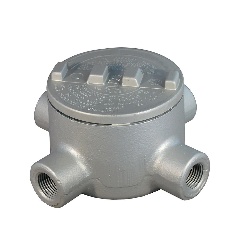
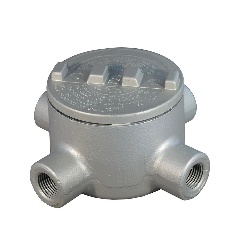
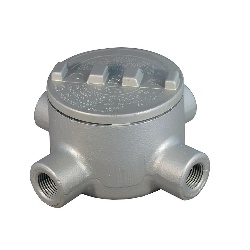
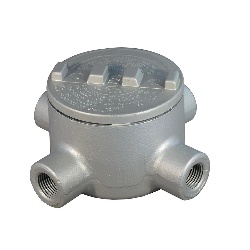
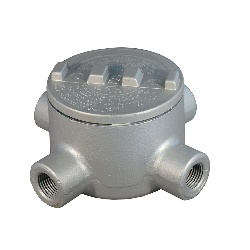
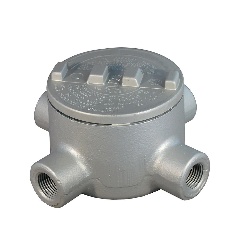
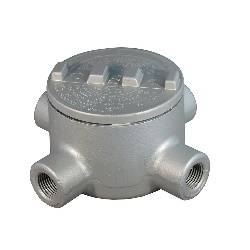
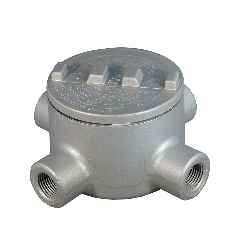
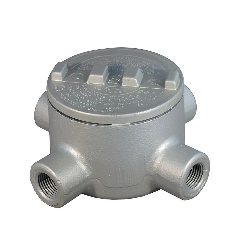
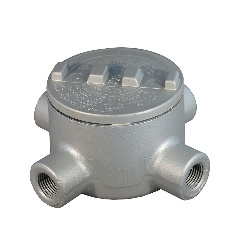
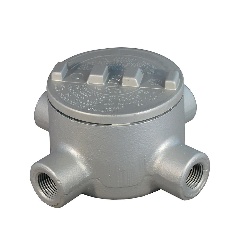
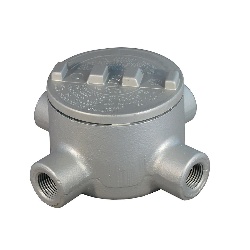
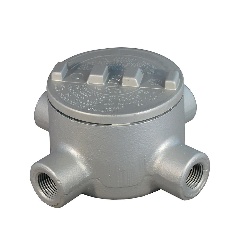
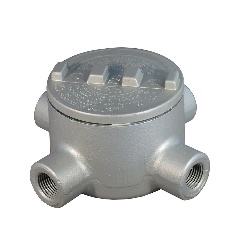
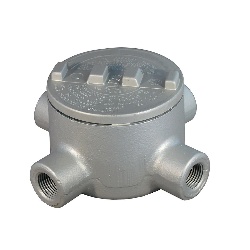
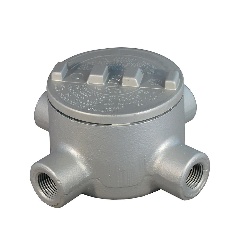
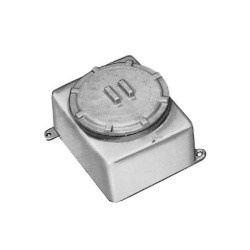
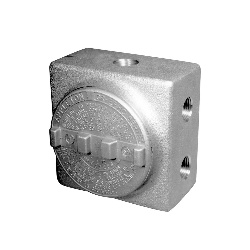
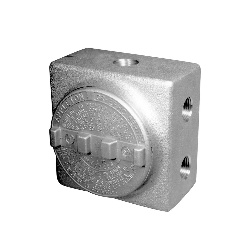
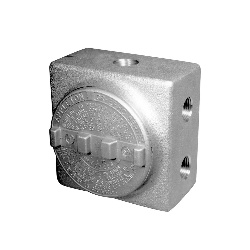
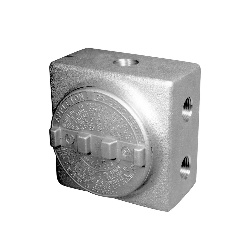
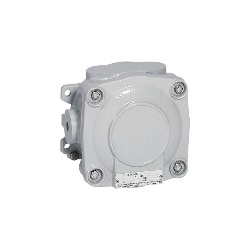
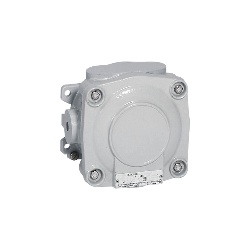
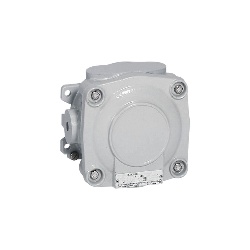
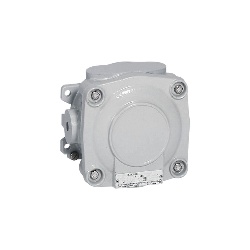
Available in a variety of styles, junction boxes, control panels, and instrumentation enclosures, Appleton products feature precision flamepaths, watertight gaskets, and grounding points to maintain explosion-proof integrity. Options include factory-sealed models to reduce field installation errors, pre-drilled conduit entries, and hinged or bolted covers for easy maintenance.

FAQs
Q: What environments are Appleton hazardous location enclosures designed for?
Appleton enclosures are made for Class I, II, and III Division 1 and 2 hazardous areas where flammable gases, vapors, dust, or fibers may be present.
Q: What materials are Appleton enclosures constructed from?
They are available in copper-free aluminum, stainless steel, and fiberglass-reinforced polyester, providing strength, corrosion resistance, and long-term durability.
Q: Do Appleton enclosures comply with international safety standards?
Yes, Appleton enclosures meet NEC, CEC, UL, and ATEX standards for global compliance in hazardous applications.
Q: What is the function of a purge system in hazardous locations?
A purge system maintains positive internal pressure to prevent the entry of flammable gases or dust, protecting components from ignition, moisture, and corrosion.
Q: What types of Appleton enclosures are available?
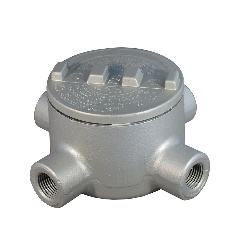
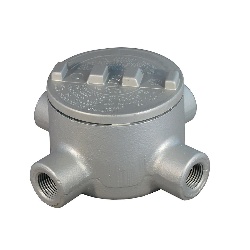
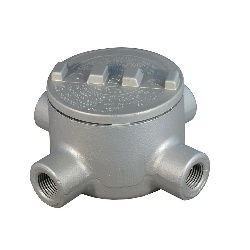
Appleton offers a wide range of enclosure types, including junction boxes, instrumentation enclosures, and control panels, with factory-sealed or pre-drilled options for flexible installation.
Why Buy Appleton Hazardous Location Enclosures from RSP Supply
RSP Supply offers a complete selection of Appleton hazardous location enclosures, with expert support to help you select the right model for your environment. We provide fast shipping, competitive pricing, and technical expertise to ensure every installation meets the highest safety and performance standards.