
For remote applications where climatic or environmental conditions can be particularly harsh, choosing the right antenna system is very important. The cost to travel to the field to replace a broken or defective antenna can easily exceed $100 an hour.
More advanced antenna designs offer features that improve electrical performance and significantly increase durability and lifespan. Ruggedized parts, optimized assembly techniques, specialized coatings, and improved installation procedures can, in some cases, deliver a tenfold (10X) increase over the lifespan of traditional aluminum antennas.
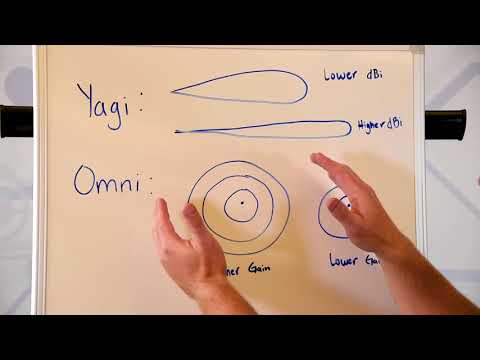
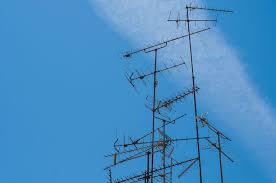
SCADA applications typically require a large volume of antennas such as the Yagi antenna, which is unidirectional. Given their exposure to the elements, they are highly susceptible to damage from ice, wind, and sometimes chemical exposure. As a result, cost savings from deploying cheaper equipment are often offset by ongoing maintenance and replacement expenses.
While coatings are one of the main items to consider in antenna selection, other factors are important as well. Ensuring durable joints or minimizing their presence, along with proper cabling, component assembly, and installation techniques, can greatly extend equipment life.
Coatings
Many Yagi antennas are constructed with aluminum or brass. Harsh environments can accelerate pitting and corrosion, leading to failure within as little as two years. Antennas with anodized coatings should be strongly considered for SCADA applications.
Anodized coatings create thicker, harder films through electrochemical processes. Aluminum oxide layers are porous but, when sealed, enhance surface properties and allow for durable color dyes. Dark anodized coatings are preferred in northern climates with heavy ice, as they inhibit ice formation and accelerate melting through heat radiation.
The sealing method affects hardness, corrosion resistance, heat and abrasion resistance, impedance, dielectric strength, emissivity, and reflectivity. Organic substances such as lacquers, waxes, resins, and PTFE are often applied to further enhance corrosion resistance and reduce surface friction. Although anodizing is more costly than chemical conversion coating, it offers superior protection, hardness, abrasion resistance, and the ability to accept dyes and treatments.
Joints
Minimizing the number of joints reduces potential failures. Joints should be soldered, brazed, or welded using non-corrosive flux. Spring finger or crimp joints should be avoided. Bolted and screw-on joints deteriorate faster when exposed to wind and weather.
Cable and Connections
Choosing the right cable is critical. In SCADA applications, the antenna cable is equally exposed to environmental stress. The cable lifespan should match the antenna’s. UV-resistant, jacketed, low-loss LMR 400 (or larger) coax cables with N-type connectors are recommended for harsh environments. Minimize the number of connections and waterproof them thoroughly, as this is the most common failure point in radio systems.
Icing
Icing is a major challenge for antenna installations. Ice buildup increases wind load and weight, and often detunes antennas until they are unusable. Initially, wet conductive ice is the most damaging, but even solid ice adds stress and risk of breakage. Uneven melting can cause imbalance, and antennas may also be damaged by falling ice from nearby equipment.
To prevent icing, antennas can be enclosed in an RF-transparent radome, such as fiberglass tubes. While vertical omni antennas are less vulnerable to detuning, they still experience higher wind load. Larger diameter elements also reduce the percentage change in performance when ice forms, making them more resilient.