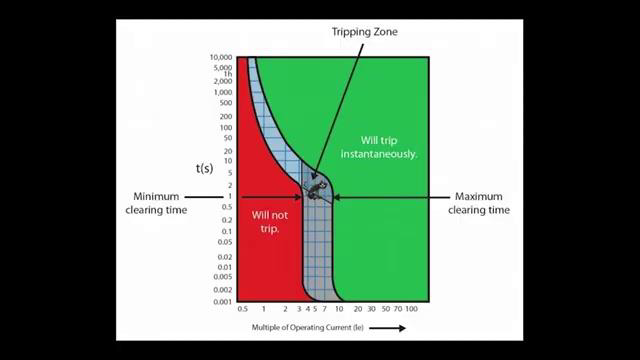

Trip_Curve_Basics___Part_2.pdf
Transcript:
[0m:4s] Hi I'm Josh Bloom, welcome to another video in the RSPSupply education series. If you find that these videos are helpful to you, it certainly helps us out if you could give us a big thumbs up and subscribe to our channel.
[0m:15s] In today's video, we want to continue on in our brief series where we are learning about the basics of trip curves and their relationship to circuit breakers. For our purposes, we are specifically talking about miniature circuit breakers, which are commonly used in industrial applications. In our last video, we talked briefly about circuit breaker functionality and the different factors that enable a circuit breaker to trip at a certain point. Those different factors are time and current level.
[0m:46s] We learned that it is the relationship between these two data points that will determine if a circuit breaker will trip or not.
[0m:53s] We also learned that the trip curve is simply a graphical representation of the expected behavior of a circuit protection device.
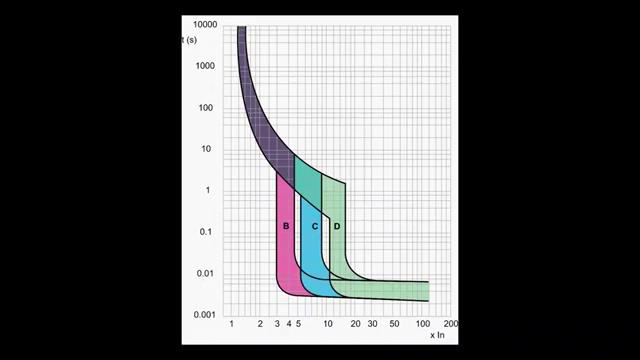
[1m:3s] Lastly, we learned that because there are many different types of electrical loads, different types of circuit breakers need to be used for different applications. If you have not already seen that video, we will link it in the description below. For this video, we want to look more closely at the three most common types of trip curves used in many different protection devices seen today, like circuit breakers.
[1m:30s] We hope that by the end of this video, your understanding of the different types of trip curves will grow. Please keep in mind that if you ever have questions about the specific type of protection device that you should use for your application, you will need to seek the help of a qualified person to ensure you are following all codes and guidelines. With that said, let's take a closer look at the different types of trip curves and what makes them different from one another. The three most common types of trip curves we see being used in many different circuit breakers today are B curve, C curve, and D curve breakers. Let's look at each of these curves and some of the defining characteristics, so we might learn how they work and in what situations they are used. Let us first look at protection devices using the B curves.
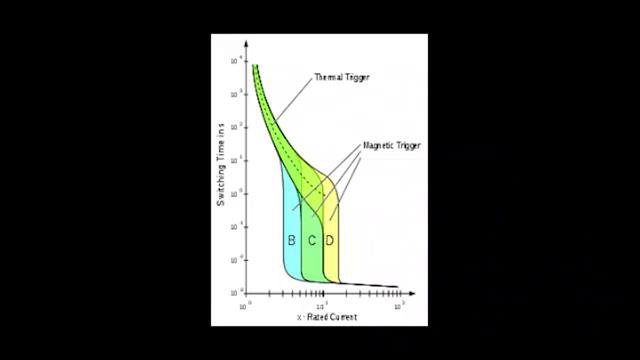
[2m:20s] With B curve style breakers, you will find that the breaker typically trips more quickly.
[2m:26s] The amount of current required to trip a B curve breaker is less than other style breakers, especially regarding current spikes, like short circuit events, lightning strikes, or other situations where you might see a large jump in power over a short period of time.
[2m:44s] It is common to see B curve style breakers being used with resistive loads like heating elements.
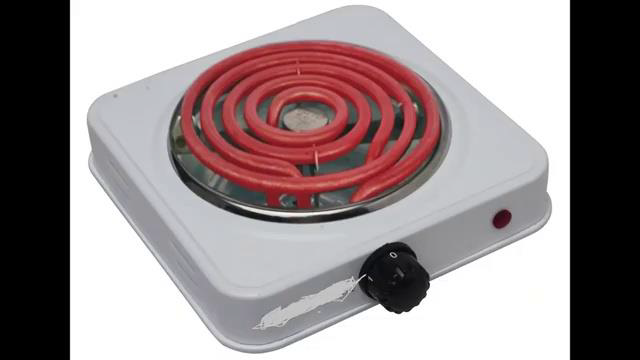
[2m:51s] This is because the risk of damaging equipment and potentially causing a safety hazard with these types of loads can be much higher. Also, resistive loads do not typically experience inrush current. So using this style of breaker provides a high level of protection while also avoiding nuisance trips.
[3m:11s] One important note regarding B curve breakers:
[3m:14s] They are not rated for branch protection. They are UL 1077 listed breakers meaning they are intended for supplementary protection only.
[3m:26s] The next type of breaker we will talk about is a D curve protection device.
[3m:31s] Devices using D curve characteristics will typically require higher amounts of current to trip. They also will allow that current to flow for longer periods of time before the breaker is tripped.
[3m:44s] These types of breakers are very common in situations where the electrical loads see large surges of inrush current when they are energized.
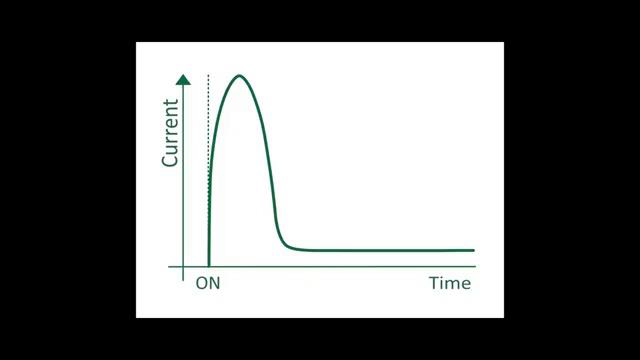
[3m:54s] This inrush current is very common in inductive loads such as motors.
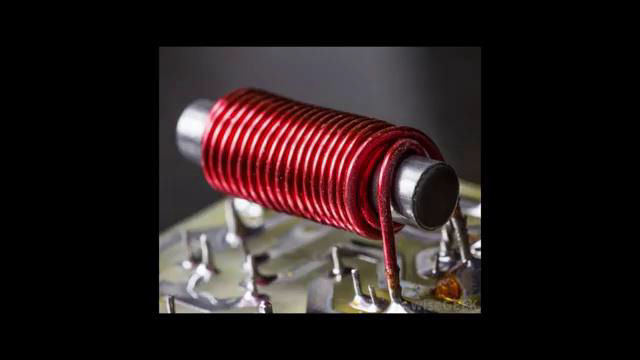
[3m:59s] The size of the motor will also dictate how much inrush current is pulled through the protection device. So especially with large inductive loads, it is very common to see D curve breakers being used. This delay in circuit breaker tripping allows the inrush of current to occur, then once the current levels decay and normalize, the motor or load can operate normally without a circuit breaker tripping.
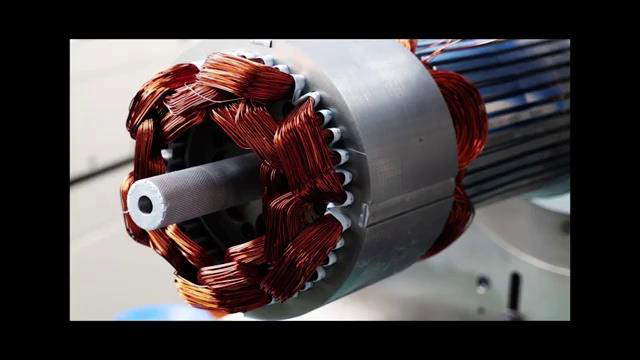
[4m:26s] If the wrong type of breaker is used on these types of loads, you will have frequent nuisance trips of the breaker in use. The last type of curve we will talk about is devices using C curve characteristics. As you may expect, C curve protection devices fall somewhere between B and D curve devices.
[4m:48s] C curve breakers are very commonly used for medium to smaller inductive loads, as well as control panels, lighting circuits, coils, and many other types of electrical loads.
[5m:0s] C curve devices are commonly used as branch style protection because of their neutral tripping characteristics. With all of the different protection devices that can be used, it is important to understand when a breaker will trip and when it will not trip.
[5m:17s] Understanding trip curves is very important for ensuring the proper operation of equipment and, more importantly, for the safety of those working in areas where the equipment may be located. For a full line of industrial electrical equipment and thousands of other products, please go to our website. For more information or other educational videos, go to RSPSupply.com, the Internet's top source for industrial hardware. Also, don't forget: like and subscribe.