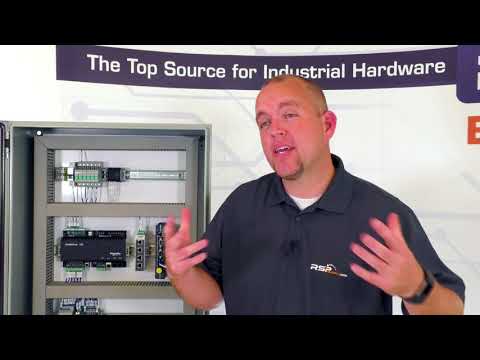

An electrical enclosure is a cabinet typically used for housing electrical or electronic equipment; to mount things like knobs, switches and displays. It also prevents electrical shock to users and equipment and protects the contents from the environment. The enclosure is the part of the equipment visible to users. It is usually designed not only for utility, but also to be visually pleasing with easy access. The housed electronics may place many demands on an enclosure for things like heat dissipation, electrostatic discharge, and radio interference.
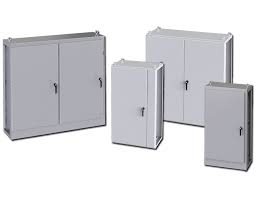
There are a lot of factors to consider when selecting an enclosure. The following is a list of key factors and guidelines to help make your selection.
1. Size
The first criteria for selecting your enclosure is the size (height, width, and depth). Consider door opening for access and maintenance. Inside, most backplates sit about 1” off the back of the enclosure. This adds 1” to the height of installed components. Backplates are typically 2” smaller in width and height than the enclosure to allow 1” spacing around for installation. Consider the number of components, heat dissipation, wiring, and ease of access.
2. Environment
All enclosures have NEMA ratings that define the environments they are suitable for. Ratings specify indoor/outdoor use and conditions like dust, dirt, and liquids. Materials also matter: Stainless steel and non-metallic enclosures may have a NEMA 4x rating for corrosive environments. Steel and stainless steel are durable but heavier. Some non-metallic enclosures degrade under UV exposure. See comparison charts for pros and cons of each material.
3. Modifications
Enclosures may require modifications such as holes or cutouts. Material choice affects ease of modification. Stainless steel is very difficult to cut or drill, while metals are easier. Fiberglass is easier than metals but wears down cutting tools. Thermoplastics like polyester and ABS are the easiest to modify.
4. Thermal Issues
Both external and internal temperatures must be considered. Excess heat or cold can damage electronic components. For example, an enclosure in full sun with internal heat can reach 160°F.
Non-metallic enclosures are good insulators but poor at dissipating internal heat. Metallic enclosures conduct heat and cold but dissipate internal heat better. Placement (e.g., shade) or accessories (vents, fans, AC, heaters) may be required to maintain proper conditions.
Note: Coatings, gaskets, windows, and plastics are typically designed to withstand -22°F for 24 hours and up to 140°F for 168 hours.
5. Aesthetics
Stainless steel offers a high-quality finish but is expensive. Aluminum has a nice finish but is less durable. Painted steel is durable and cost effective, though less attractive. Thermoplastics are cheaper but less visually appealing.
6. Price
Enclosure price varies by material and construction. Balance durability, aesthetics, thermal properties, and ease of modification. Typical price ranking (highest to lowest): Stainless Steel, Aluminum, Painted Steel, Non-metallic.
7. Weight
Weight can impact mounting and installation. From heaviest to lightest: Stainless Steel, Painted Steel, Aluminum, Non-metallic.
8. Durability
In high-activity environments with equipment or personnel movement, durability is key. Some materials withstand impacts better than others.
9. Hinges
Options include no hinges (screw covers) for rarely accessed enclosures, standard hinges for frequent access, and continuous hinges when mounting items to the door (e.g., pushbuttons, lights, HMI screens).
10. Latches & Locks
Latch type affects security and convenience. Quarter-turn and clamp latches are easy to use but less secure. Handle latches with three-point systems, keylocks, or padlocks offer higher security.