

Enclosure_Selection_Basics_NEMA_Rating_Size_Heat__Material.pdf
Transcript:
[0m:4s] Hi I'm Josh Bloom, welcome to another video in the RSP Supply education series. Today we want to talk to you about electrical enclosures, what that means, what they are, we want to talk to you also about NEMA ratings and how we use those in determining the right type of electrical enclosures that we want to choose, and also things that we want to consider when we're looking at electrical enclosures.
[0m:23s] An electrical enclosure is simply a cabinet that is designed to house various different types of electrical components as you can see here. Another main function of an electrical enclosure is to protect the instruments and components housed within the enclosure itself, and also to protect the operators that might be around the enclosure from any electrical hazards within the enclosure. Regulations may dictate the type of features that a component might have based off the hazardous areas and conditions that might be located in. For instance, if it's in a petrochemical plant or water wastewater or manufacturing facilities, those areas may have locations that are hazardous and may dictate the type of enclosure that we use. Enclosures are typically made of solid plastics, fiberglass, or metal materials such as carbon steel, stainless steel, or aluminum.
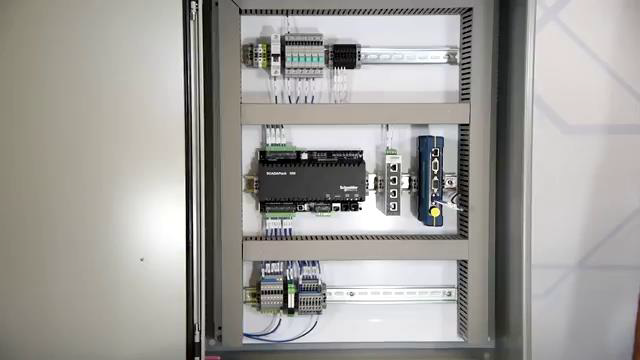
[1m:11s] One thing to keep in mind with electrical enclosures is the back plate that is actually mounted within the enclosure. The back plate is what we mount the components to. Components are mounted to this back plate before we install it in the enclosure itself.
[1m:24s] Also keep in mind that the back plate is sometimes sold separately from the enclosure. So, depending on the manufacturer of the enclosure itself you want to make sure you find the right back plate.
[1m:34s] Now, when thinking about selecting an electrical enclosure, one of the most important things we want to consider is the NEMA rating of that particular enclosure.
[1m:41s] NEMA stands for National Electrical Manufacturer Association. They have developed a rating system which determines the types of environments an electrical enclosure can be used in. There are many different types of NEMA ratings for enclosures. For a full list of these NEMA ratings, you can go to our website at RSPSupply.com. Today we're going to talk about just a few of the most common types of NEMA rated enclosures that we sell and that are used in the industrial industry.
[2m:5s] The first type of NEMA rated enclosures we want to talk about today are a NEMA 1 and a NEMA 12 rated enclosure. Both of these enclosures are only intended for indoor use. They are both dust resistant.
[2m:16s] The NEMA 12 rated enclosure, however, is rated to be in damp environments, whereas again, the NEMA 1 is only for dry environments. Both are used for indoor purposes.
[2m:28s] The next type of NEMA rated enclosures we want to talk about today are a NEMA 4 and the NEMA 4X. NEMA 4 and 4X enclosures are intended for outdoor purposes, but are perfectly suitable for indoor uses as well. Like the NEMA 1 and the NEMA 12, they are both dust resistant.
[2m:44s] The main difference is, they are water resistant and they are corrosion resistant, with the difference being that the 4X has an extra layer of corrosion resistance.
[2m:52s] The next type of NEMA enclosure I want to talk about today is a NEMA 7 enclosure. This is a more specific type of enclosure that is rated for use in hazardous environments. It is intended to contain an explosion within the enclosure itself and prevent causing any external hazard. As I mentioned before, we do have several other types of NEMA rated enclosures. For more information, please go to our website. Now that we've talked about some of the different types of NEMA ratings, we want to go over some things you might want to consider when actually trying to select an enclosure. One of the first things you want to look at is the size of the enclosure itself. A few things to consider here: we want to look at all the different types of electrical components and how much space they’re going to take up within our cabinet. Also, how much space each component needs around it. We also want to make sure we allow enough room to run wires in the enclosure itself. We also want to consider outside of the cabinet. How much space do we have to mount the enclosure? Are there any obstacles around us?
[3m:48s] Another thing to think about when selecting an electrical enclosure is temperature. This is both the ambient temperature and the temperature that's generated inside the cabinet. Each component generates a certain amount of heat. The enclosure we select needs to be able to dissipate that heat correctly or in an adequate amount of time. When thinking about an enclosure that is mounted outside in direct sunlight, that heat and sunlight can be transferred into the cabinet itself, so we want to make sure we have a cabinet that is well insulated, possibly a non-metallic enclosure that is a better insulator.
[4m:22s] When thinking about mounting an enclosure outside in direct sunlight or in areas of high heat, we want to think about the heat that is transferred into that enclosure and that's going to be heavily dependent on the insulation value of that particular enclosure.
[4m:35s] Another thing to think about with enclosure selection is external obstacles and any modifications we might make to the enclosure itself. Typically you'll find that an enclosure will have conduit or wires coming into it. You also might see displays or push buttons or switches mounted to the outside of the enclosure. We also want to make sure that the door on the enclosure can open freely with no obstruction and make sure that the operator can maneuver around the enclosure without getting clothes snagged in any way.
[5m:0s] Some other things we might want to take into consideration are any modifications like drilling or cutting the actual enclosure itself. Materials such as plastic or fiberglass are much easier to work with and drill holes into, whereas carbon steel is more difficult, and stainless steel is very difficult to cut and drill. Another consideration is weight. Materials such as plastic, fiberglass, or aluminum are much lighter and easier to mount and work with.
[5m:25s] Other materials such as steel and stainless steel are much heavier and harder to work with.
[5m:29s] By taking the time to ask ourselves a few simple questions, like, what is the proper NEMA rating for my enclosure, what type of environment is it going to be in, and what type of material do I want to use, we can ensure that we select the proper enclosure for the specific application we have in mind.
[5m:43s] For a full line of electrical enclosures and thousands of other products, please go to our website. For more information or other videos in regards to electrical enclosures, please go to RSPSupply.com, the Internet's top source for industrial hardware. Don't forget, please like and subscribe.