

Transcript:
[0m:4s] Hi, I'm Josh Bloom, welcome to another video in the RSP Supply education series.
[0m:9s] If you find that these videos are helpful to you, it certainly helps us out if you could give us a big thumbs up and subscribe to our channel.
[0m:16s] In today's video, we are going to be talking about a practice that is sometimes used in industrial control panels, especially in situations when sensitive signals are being sent and received from that panel. I am referring to the ground isolation of analog and other types of sensitive signals.
[0m:38s] For the purpose of this video, we will discuss why this isolation might be necessary, how it is achieved, and in what scenarios it is most commonly used. We hope that by the end of this video, you have a better understanding of this type of ground isolation,
[0m:53s] and know when you might need to use it. As always, the information shared in this video is intended to provide only a basic overview of this topic and should never take the place of proper electrical instruction. With that being said, let's take a look at this concept and try to learn more about why it is used.
[1m:13s] When transmitting or receiving sensitive signals like analog signals,
[1m:18s] it is important to make sure that precautions are taken to reduce the likelihood of problems or issues that could potentially lead to signal disruption. Analog signals are very sensitive and can be affected by many different factors, one of which is improper grounding.
[1m:36s] One method that is sometimes used in industrial control panels that can help avoid some of these grounding issues is to isolate the analog signal ground from the rest of the panel. In many traditional panel designs, it is common to see both the analog signal ground share the same ground as everything else in the panel. In most cases this will work with no issues at all. However, there are some situations where it would be advantageous to have the signal ground isolated from the rest of the panel.
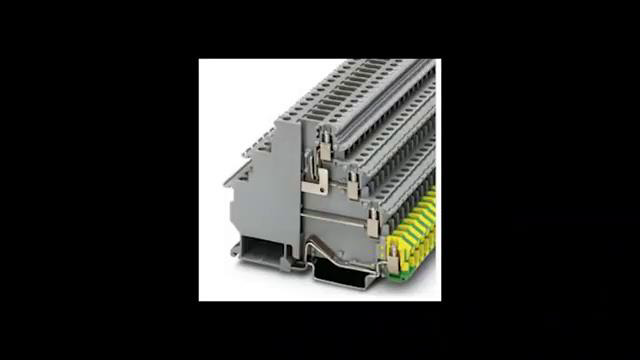
[2m:9s] One main reason for this isolation is the ability it can provide the operator or anyone working in the panel to more easily be able to identify and isolate grounding issues that are specific to the analog signal wiring. Typically when analog signals are isolated, the signal ground and shielding are bonded together and then bonded to the main panel ground at one single point.
[2m:36s] This single point of continuity allows operators to easily identify if signal issues are being affected by grounding issues or for some other reason. So how does this isolation occur?
[2m:49s] In most cases, it is simply done by using some kind of non-metallic standoff. This standoff allows for the attachment of traditional DIN rail to be used but also provides insulation between the DIN rail itself
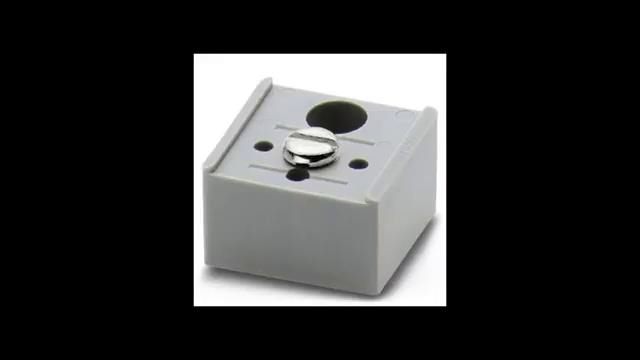

[3m:2s] and the backplane and other electrical hardware in the panel. These standoffs will typically raise the signal terminals up off of the surface of the backplane. So, it is important to make sure that enough room exists to install such hardware. It is possible to use these isolation standoffs on more than just sensitive analog signals.
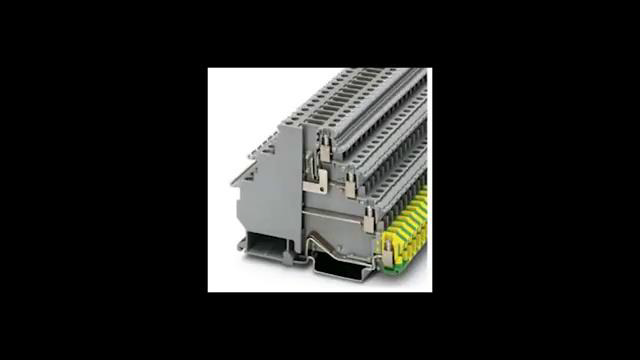
[3m:24s] Anywhere ground isolation might be needed is a great place to use this type of hardware.
[3m:31s] With that said, it is typically only used with more sensitive signals and instrumentation because of the high likelihood that signal disruption may occur. There are many different styles of standoffs that can be used for many different situations. The type of standoff that you use will depend on your specific scenario. So, in scenarios where you are concerned about the accuracy of sensitive control signals or any scenarios where it might be necessary to make sure that you can isolate the ground path from any other electrical hardware that may exist on your electrical system, using ground isolators or ground isolation standoffs can be a great option. For a full line of ground isolation hardware as well as thousands of other products, please go to our website. For more information or other educational videos, go to RSPSupply.com, the Internet's top source for industrial hardware. Also, don't forget: like and subscribe.