
How_Solar_Power_Works_in_Industrial_Applications.pdf
Solar is commonly used in industrial applications where there is no local access to power. For example, a well located in the mountains with no power can use solar energy to run instrumentation needed to monitor and distribute water.
Solar is also increasingly popular in residential and commercial applications due to cost savings and the ability to generate your own power.
Required hardware for a basic solar setup:
- Solar Panels – Convert sunlight into energy
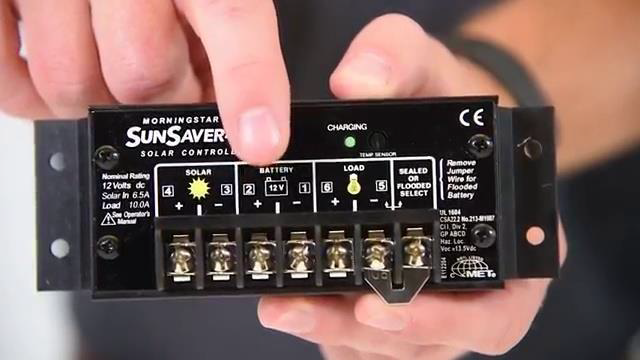
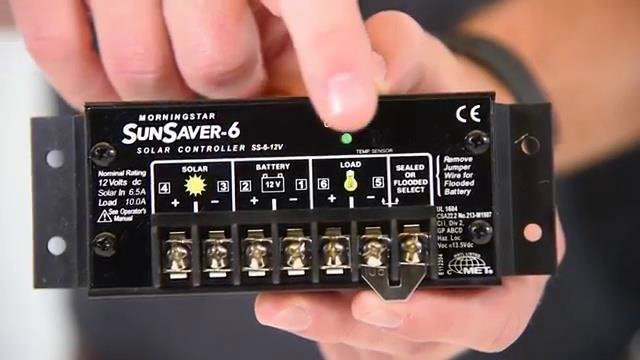
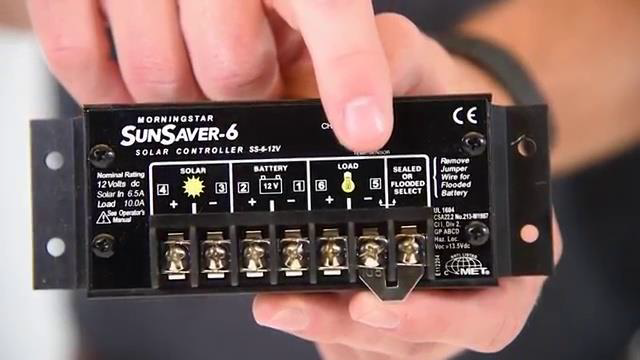
- Charge Controllers – Direct and manage energy flow
- Inverter – Converts DC power to AC power
- Battery – Stores unused energy
How it Works
Solar panels absorb sunlight and convert it into DC energy. That energy can either:
- Go directly to an inverter, converting DC to AC power for homes or buildings.
- Be sent to a charge controller, which decides whether to:
- Send power directly to the load,
- Store excess power in batteries,
- Dissipate energy as heat if storage and load capacity are full.
In industrial applications, power often remains DC, but if AC power is required, an inverter must be included in the system.
Basic Process
- Collect sunlight with solar panels
- Convert sunlight into DC energy
- Direct energy to the load, store it in batteries, or convert it to AC via an inverter
Transcript
[0m:4s] Hi I'm Josh Bloom, welcome to another video in the RSP Supply education series. Today we want to talk about how solar power works and the benefits of using it in industrial, commercial, and residential applications.
[0m:18s] Solar is typically used in industrial applications without access to local power, such as wells in remote areas. Solar is also gaining popularity in homes and businesses due to reduced costs of solar components.
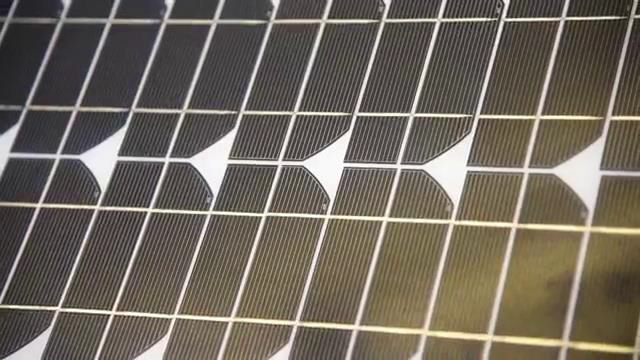
[0m:53s] Before explaining how it works, let’s discuss the basic components: solar panels, charge controllers, batteries, and inverters.
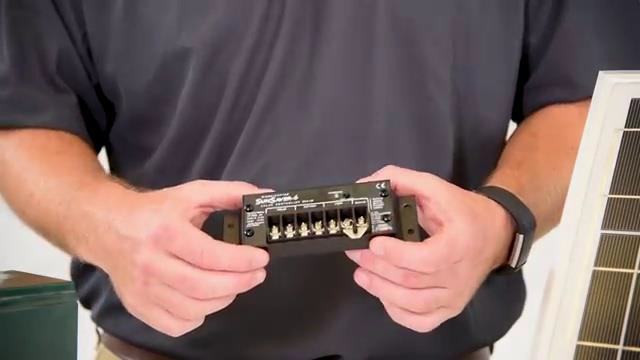
[1m:53s] Solar panels convert sunlight into DC power. A charge controller manages where this power goes—directly to the load, to batteries for storage, or dissipated as heat if not needed. Inverters can also be used to convert DC into AC power for homes or businesses.
Example setup: Solar panels mounted facing south at ~45° feed into a charge controller. The controller connects to both the battery bank and the electrical load, such as an industrial control panel.
[3m:28s] During the day, solar power feeds the load and charges batteries. At night, the charge controller draws from batteries to power the load.


[3m:54s] For a full line of solar components or thousands of other products, visit our website. For more information and videos, go to RSPSupply.com, the Internet’s top source for industrial hardware. Don’t forget to like and subscribe.