

IEC Electronic Overload Relays
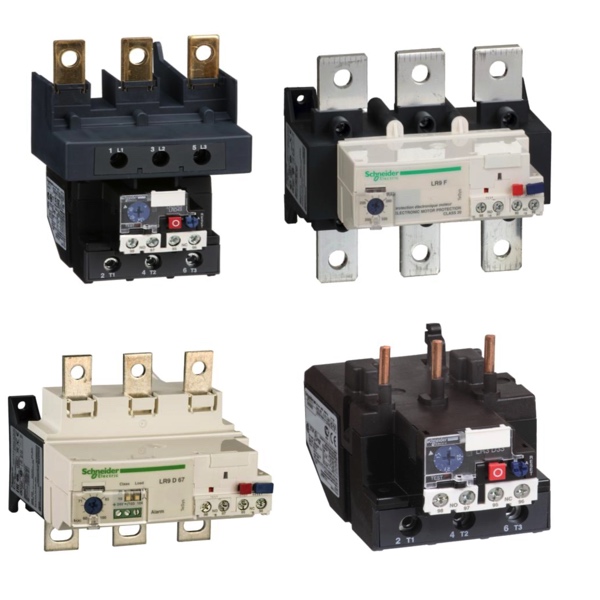
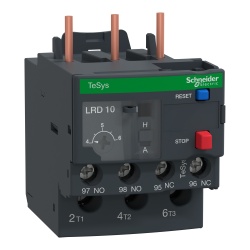
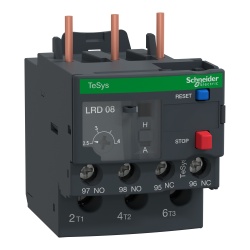
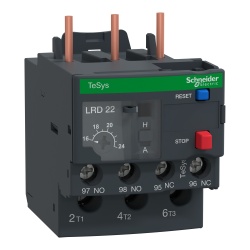
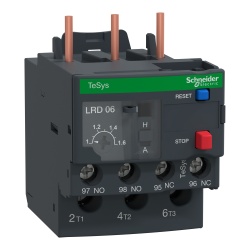
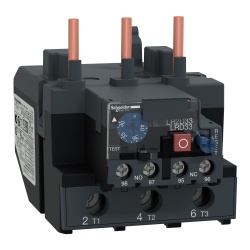
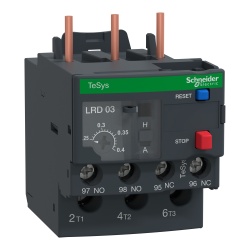
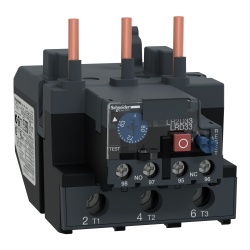
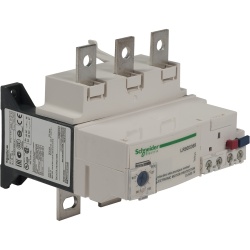
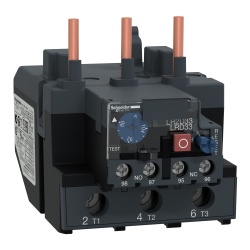
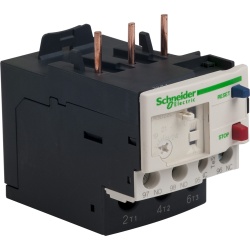
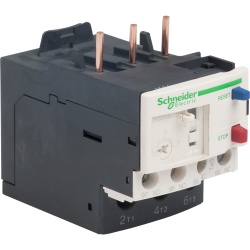
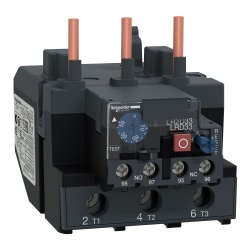
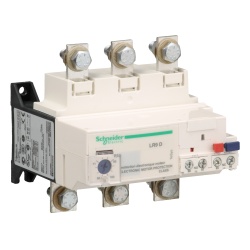
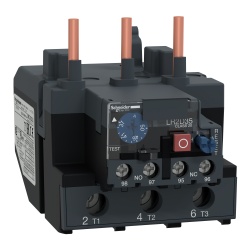
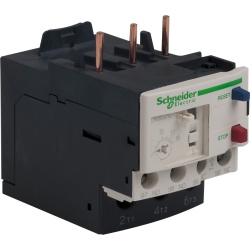
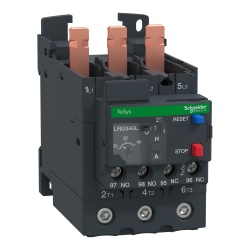
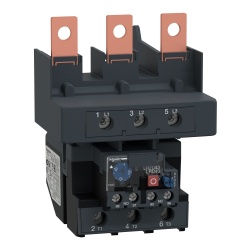
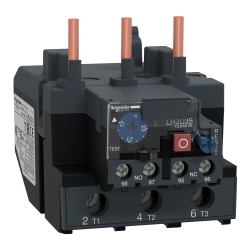
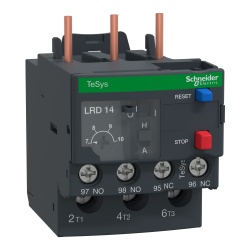
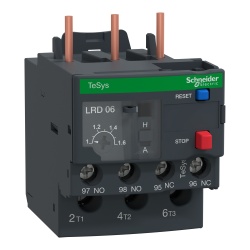
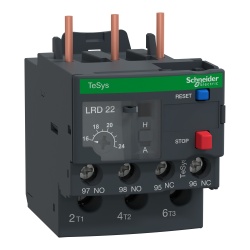
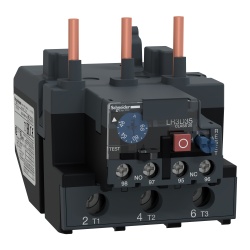
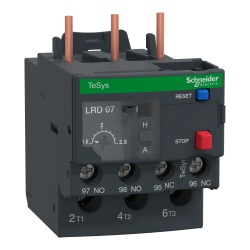
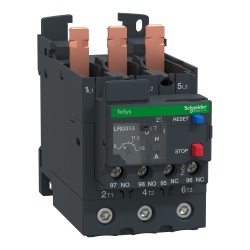
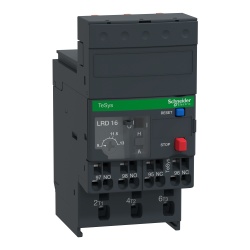
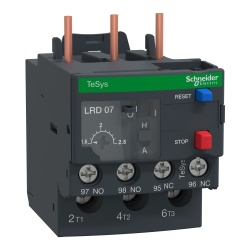
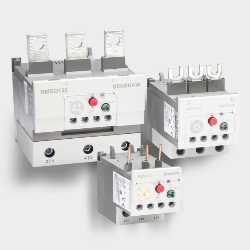
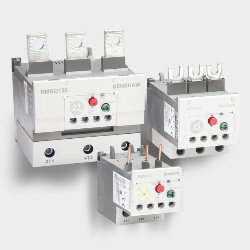
IEC electronic overload relays are a critical component in motor protection systems, designed to safeguard electric motors from overload conditions, excessive heat, and phase-related faults. Installed in the motor control circuit, these relays continuously monitor motor current and trip when operating conditions exceed safe limits, interrupting power to prevent equipment damage and reduce safety risks. Electronic overload relays provide a higher level of precision and flexibility compared to traditional thermal overload devices.
Unlike fixed thermal relays, electronic overload relays offer adjustable settings that allow protection parameters to be matched to specific motor characteristics and operating conditions. Many models monitor individual phase currents and can detect abnormal conditions such as phase imbalance, phase loss, or sustained overcurrent events. Integrated protection functions may include overload protection, phase imbalance protection, ground fault protection, and phase loss protection, enabling one device to address multiple fault scenarios within a single motor circuit.
In modern motor control systems, overload relays are commonly paired with contactors and upstream branch circuit protection. If an overload condition is detected, the relay opens the control circuit, causing the contactor to de-energize and remove power from the motor. This coordinated operation supports safe remote motor control and long-term motor reliability. IEC electronic overload relays are widely used in industrial panels, motor control centers, and OEM equipment where consistent, configurable motor protection is required.




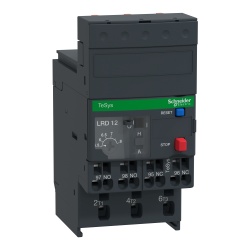
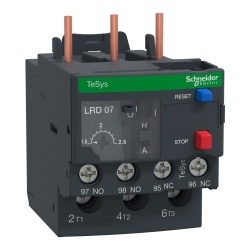
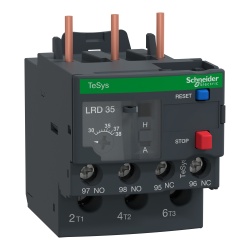
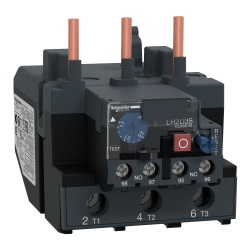
FAQs
Q: What does an IEC electronic overload relay do?
An IEC electronic overload relay monitors motor current and operating conditions to protect the motor from overloads, overheating, phase imbalance, and phase loss by interrupting the control circuit when unsafe conditions occur.
Q: What is the difference between electronic and thermal overload relays?
Electronic overload relays use electronic sensing to provide adjustable, precise protection and multiple fault detection functions, while traditional thermal relays rely on fixed bimetal elements and typically offer fewer adjustment and diagnostic options.
Q: Do electronic overload relays have manual reset and selectable trip classes?
Yes, most electronic overload relays provide manual reset options and selectable trip classes, allowing protection characteristics to be customized for the motor and application.
Q: Can electronic overload relays be mounted directly to contactors?
Many IEC electronic overload relays are available in both direct-mount configurations for use with compatible contactors and separate-mount versions for remote installation within a control panel.
Q: What types of protection functions are commonly built into electronic overload relays?
Common functions include overload protection, phase imbalance protection, phase loss protection, and ground fault detection, depending on the specific model and manufacturer.
Q: When should an electronic overload relay be used instead of a basic thermal relay?
Electronic overload relays are preferred when adjustable settings, multiple protection functions, higher accuracy, or improved diagnostics are required for critical or variable motor applications.
Why Buy IEC Electronic Overload Relays: LRF, LRD & K Non-Differential Thermal Relays from RSP Supply
RSP Supply offers a broad selection of IEC electronic overload relays from established manufacturers to support reliable motor protection across a wide range of industrial applications. These relays are used by panel builders, maintenance teams, and OEMs to implement consistent, configurable motor protection strategies while maintaining compatibility with IEC motor control components. Our product offerings help customers select overload protection solutions that align with motor specifications, control architectures, and long-term system reliability goals.