

Lutze Signal & Power Conditioning
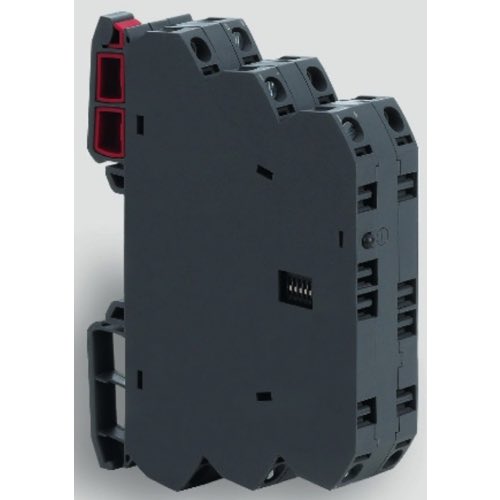
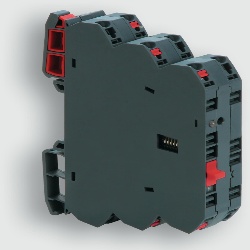
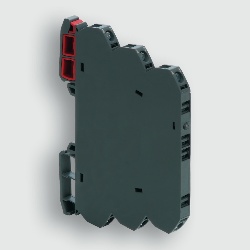
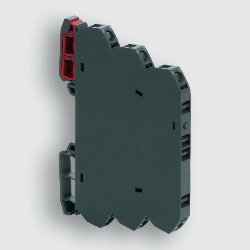
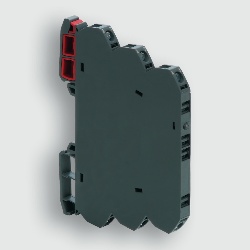
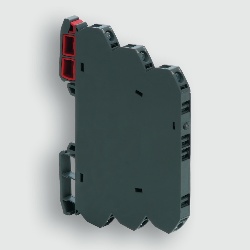
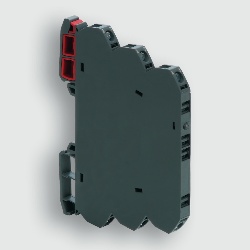
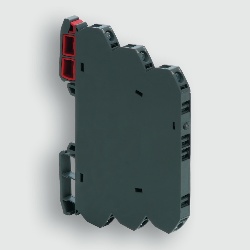
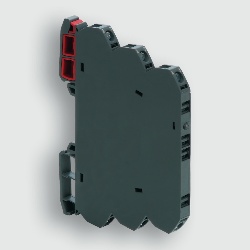
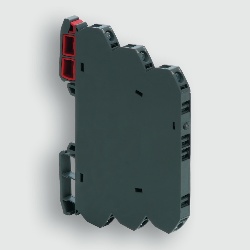
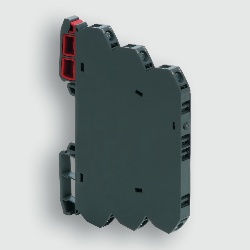
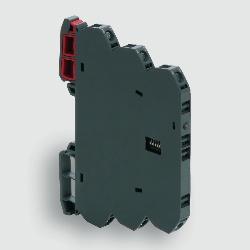
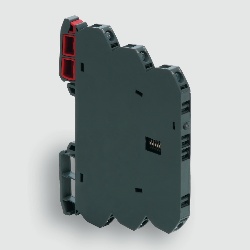
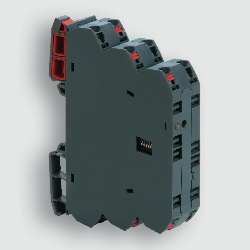
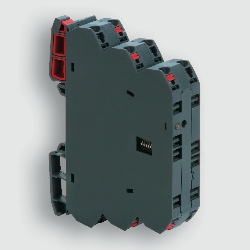
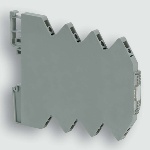
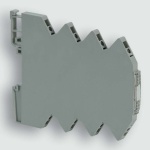
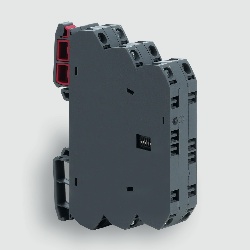
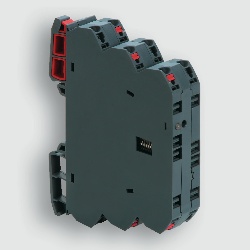
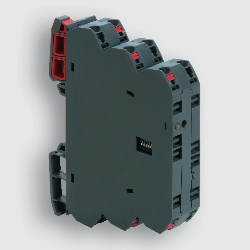
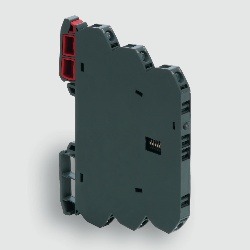
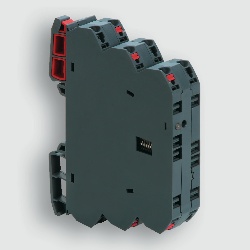
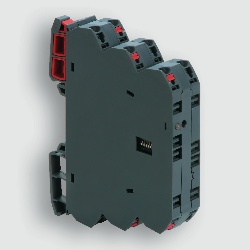
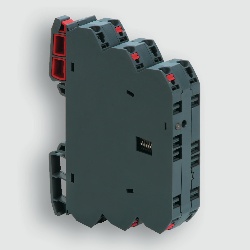
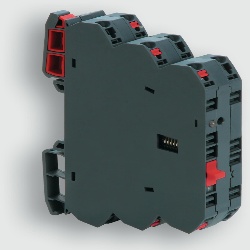
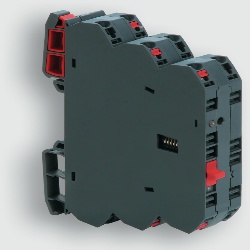
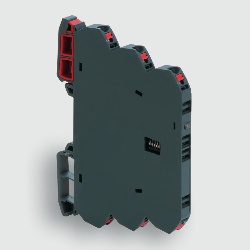
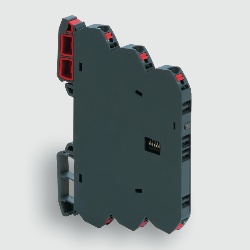
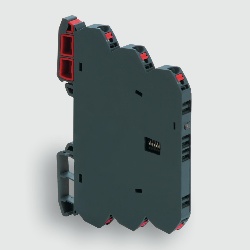
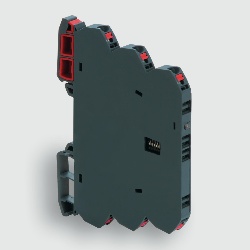
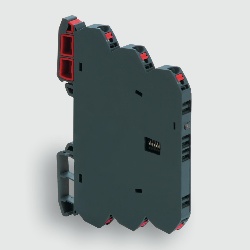
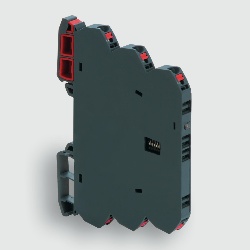
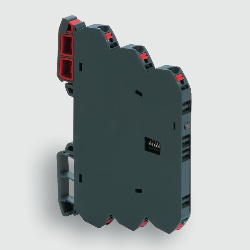
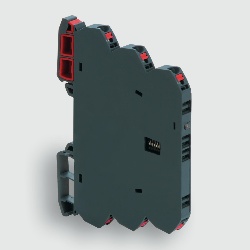
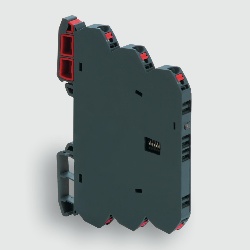
Lütze signal converters are used to convert, isolate, and condition analog signals so they can be reliably processed by industrial control systems. In automation, machine building, and process applications, field device outputs often need to be scaled or converted to match PLC, controller, or monitoring inputs. Signal converters help ensure the control system receives a clean, correctly ranged signal while reducing measurement issues caused by electrical noise or mismatched interfaces.
These converters support common industrial standards such as 4–20 mA and 0–10 V, along with a variety of sensor and transmitter outputs used for temperature, pressure, flow, and level measurement. Typical use cases include current-to-voltage conversion, voltage-to-current conversion, and signal conditioning to standardize inputs across different devices. By providing properly scaled signals, Lütze converters simplify system integration and support consistent control performance.
Many Lütze signal converters also provide galvanic isolation between input and output circuits. Isolation helps reduce interference from ground loops and electrical noise, especially in systems with long cable runs, varying loads, or electrically noisy equipment. By improving signal integrity and protecting sensitive electronics, these modules support stable operation and long-term reliability in industrial control panels and automation cabinets.
FAQs
Q: What are Lütze signal converters used for?
Lütze signal converters are used to convert and isolate analog signals so they are compatible with PLCs, controllers, and monitoring systems in industrial automation and control panels.
Q: What types of signals can Lütze signal converters handle?
They handle common industrial signals such as 4–20 mA, 0–10 V, and sensor/transmitter outputs used for temperature, pressure, flow, and level measurement.
Q: Why is signal isolation important in Lütze signal converters?
Signal isolation helps prevent ground loops and electrical interference from affecting measurements, improving accuracy and helping protect sensitive control electronics.
Q: Where are Lütze signal converters commonly installed?
They are commonly installed in industrial control panels, automation cabinets, OEM machinery, and process control systems that require reliable signal conversion and conditioning.
Q: How do Lütze signal converters improve system reliability?
By delivering clean, isolated, and properly scaled signals, Lütze signal converters reduce measurement errors, support stable control performance, and help prevent damage from electrical disturbances.
Why Buy Lütze Signal Converters from RSP Supply
RSP Supply offers Lütze signal converters for industrial automation, control panels, and instrumentation systems. Our selection supports essential functions such as signal conversion, conditioning, and galvanic isolation to help improve measurement reliability and simplify integration between field devices and control equipment. Customers rely on RSP Supply for knowledgeable support and access to industrial components designed for dependable long-term operation.