
IDEC Operator Interface
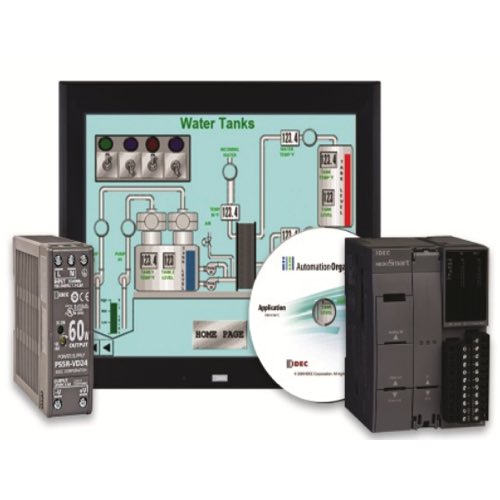
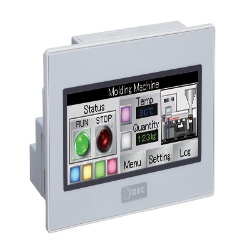
IDEC operator interfaces are designed to provide comfortable and intuitive interaction between operators and industrial machines. Commonly used as HMIs and touchscreen displays, these interfaces allow operators to view real-time data, modify operating parameters, and acknowledge alarms efficiently. Clear visual presentation combined with operator-friendly input methods supports safe and consistent machine operation.
In industrial and OEM applications, IDEC operator interfaces integrate with PLCs, sensors, drives, and controllers to display machine status, trends, setpoints, diagnostics, and other critical information. Intuitive screen layouts and configurable soft keys help operators make accurate decisions quickly, reducing the potential for error while improving overall productivity.
IDEC operator interface platforms also support scalability and long-term system optimization. Standardized interface designs simplify programming and commissioning while allowing for straightforward expansion as automation requirements evolve. With multiple screen sizes and mounting options available, IDEC operator interfaces can be easily incorporated into a wide range of industrial automation systems.
FAQs
Q: What is an IDEC operator interface used for?
An IDEC operator interface is used to monitor, control, and interact with machines and processes by displaying system data and allowing operator input in industrial automation systems.
Q: Is an IDEC operator interface the same as an HMI?
Yes, IDEC operator interfaces are HMIs designed to provide human-machine interaction through touchscreen displays and control panels.
Q: Do IDEC operator interfaces connect to PLCs?
Yes, IDEC operator interfaces are commonly connected to PLCs and controllers to display data, send commands, and manage machine operation.
Q: Are IDEC operator interfaces suitable for industrial environments?
Yes, IDEC operator interfaces are designed for industrial use and can withstand vibration, temperature extremes, electrical noise, and continuous operation.
Q: Where are IDEC operator interfaces commonly installed?
They are commonly installed on machinery, control panels, OEM equipment, production lines, and industrial automation systems requiring reliable operator interaction.
Why Buy IDEC Operator Interfaces from RSP Supply
RSP Supply offers IDEC operator interface solutions designed for reliable machine control and visualization in industrial automation systems. These products provide scalable integration, intuitive operation, and dependable performance in demanding environments. Customers rely on RSP Supply for knowledgeable technical support and access to trusted automation components for modern control system designs.