

Omega Proximity Sensors
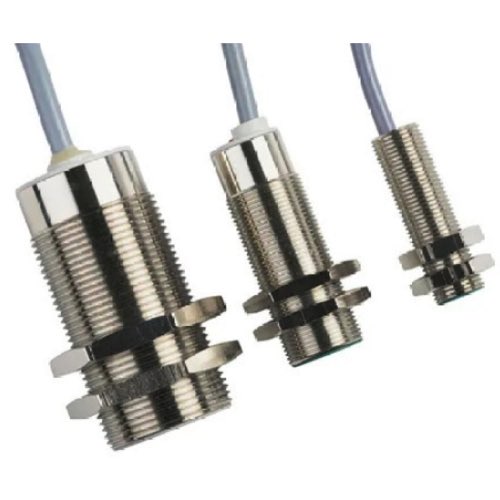
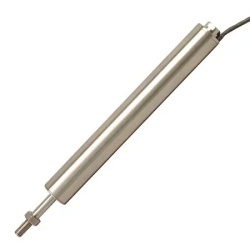
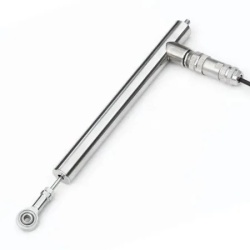
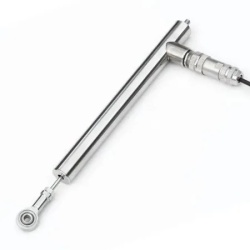
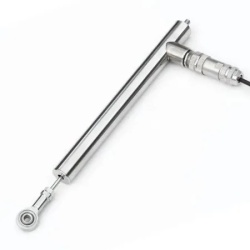
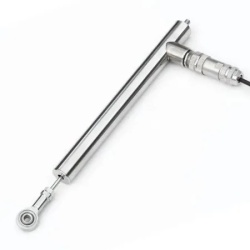
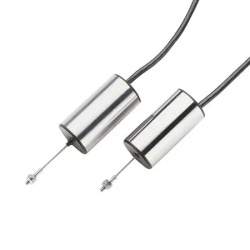
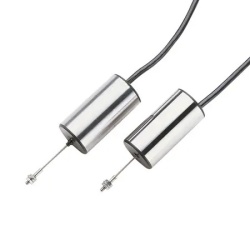
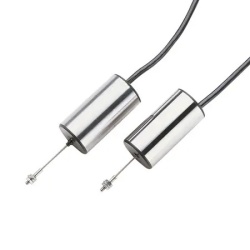
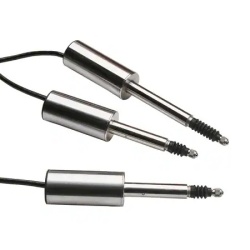
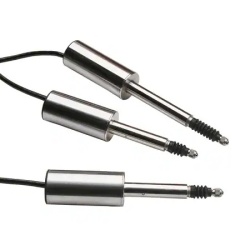
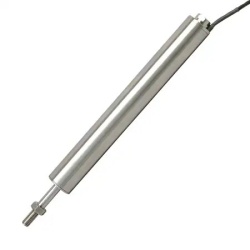
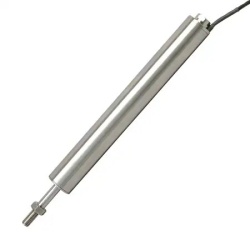
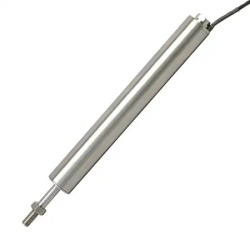
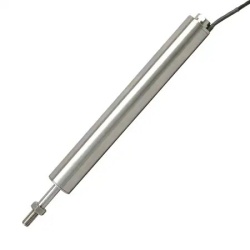
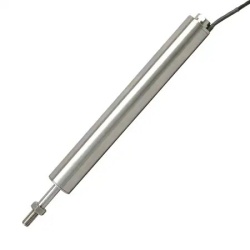
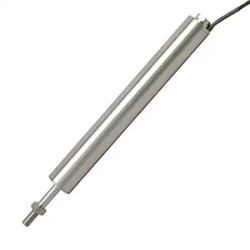
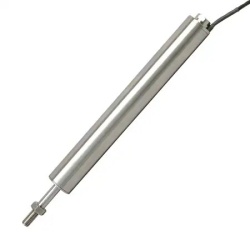
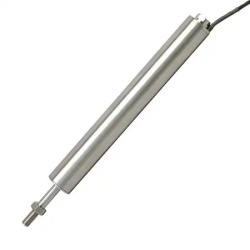
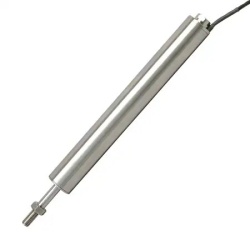
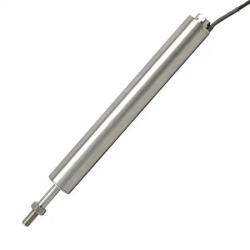
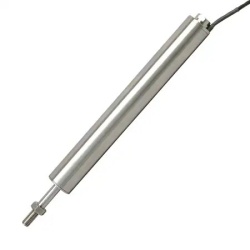
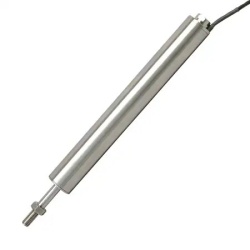
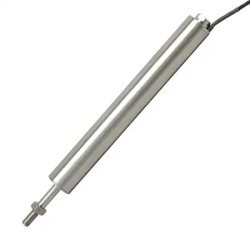
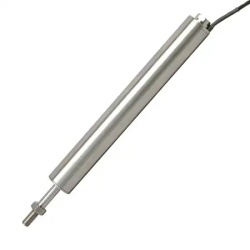
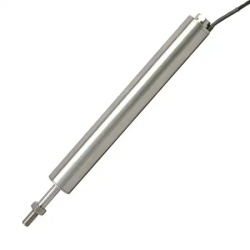
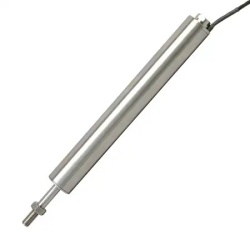
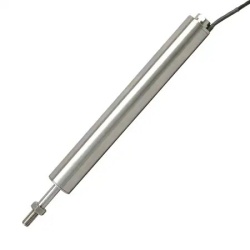
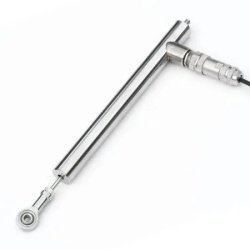
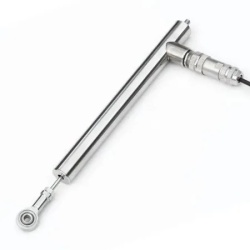
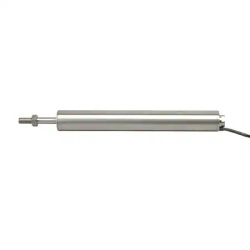
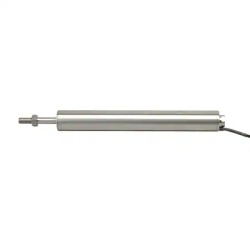
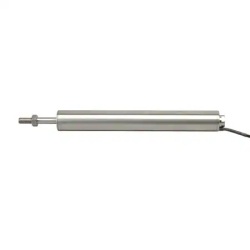
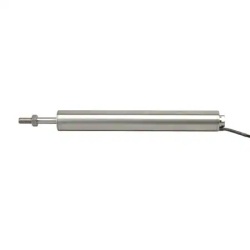
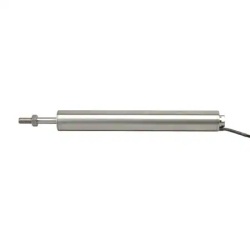
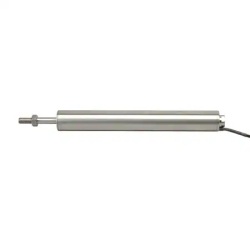
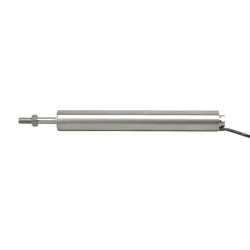
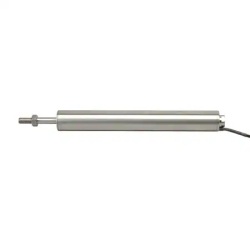
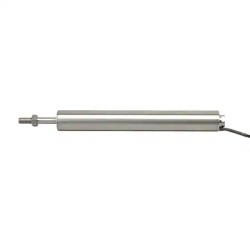
Omega proximity sensors deliver reliable proximity sensing in applications where accuracy, repeatability and longevity are critical. Proximity sensors are used widely in manufacturing, automation, materials handling, test/measurement and other equipment and are well suited for numerous requirements in the laboratory, process control and industrial arena. Omega proximity sensors sense position, presence or movement while using active sensing area instead of a mechanical contact to detect targets.
Proximity sensors from Omega are available in inductive and capacitive sensors types. Inductive proximity sensors detect metal objects such as steel, aluminum, stainless steel, brass and other conductive materials. Applications include machinery positioning, tool setting, end-of-travel sensing or part detection. Capacitive proximity sensors can sense non-metallic objects and materials such as plastic, powders, liquids and bulk materials. Applications range from counting and product detection to fluid level or hopper level measurement.
Omega proximity sensors are built for reliable industrial performance and feature rugged housings. Sensors are manufactured to provide dependable, repeatable performance in real-world industrial settings – many models are vibration and noise immune, suitable for extended temperature operation and are rated for continuous-duty or long-term cycles. Omega proximity sensors are easy to install and integrate with PLCs and other controls or measurement equipment using standard industry level outputs.
FAQs
Q: What are Omega proximity sensors used for?
Omega proximity sensors are used to detect the presence or position of objects without physical contact in industrial automation, material handling, test equipment, and process control applications.
Q: What types of proximity sensors does Omega offer?
Omega offers inductive proximity sensors for detecting metal objects and capacitive proximity sensors for detecting non-metal materials such as plastics, liquids, powders, and bulk solids.
Q: How do I choose the right Omega proximity sensor?
Selection depends on the target material, required sensing distance, environmental conditions, and mounting requirements. Inductive sensors are best for metal targets, while capacitive sensors are suitable for non-metal detection and level sensing.
Q: Are Omega proximity sensors suitable for industrial environments?
Yes, Omega proximity sensors are designed for reliable operation in industrial environments with vibration, electrical noise, and temperature variation, supporting continuous-duty applications.
Q: Can Omega proximity sensors integrate with PLCs and control systems?
Yes, Omega proximity sensors provide standard electrical outputs that integrate easily with PLCs, controllers, and automation systems.
Why Buy Omega Proximity Sensors from RSP Supply
RSP Supply offers a comprehensive selection of Omega proximity sensors for industrial detection and automation applications. Customers rely on RSP Supply for access to trusted instrumentation brands, detailed technical product information, and knowledgeable support to help ensure proper sensor selection, integration, and long-term operational reliability.