

Telemecanique Light Curtains
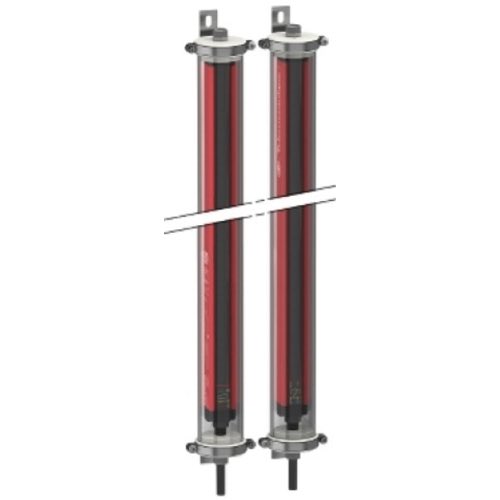
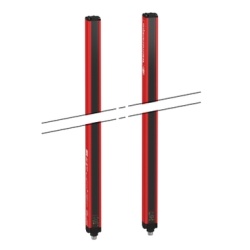
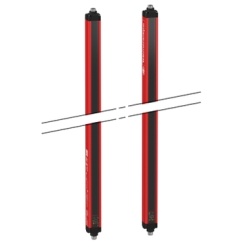
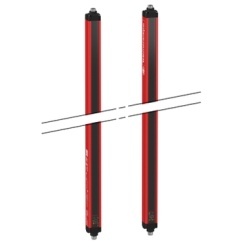
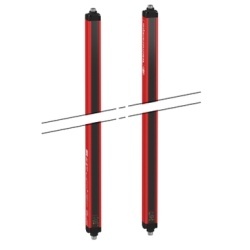
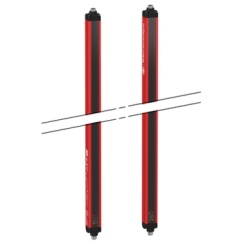
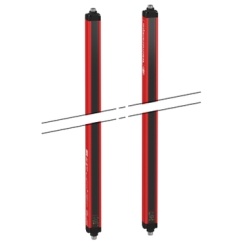
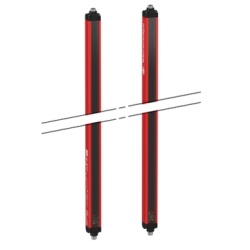
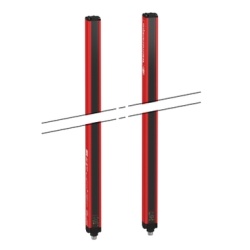
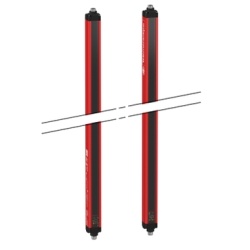
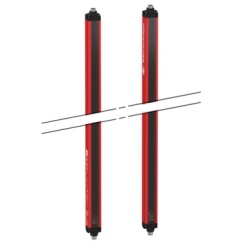
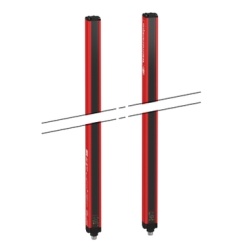
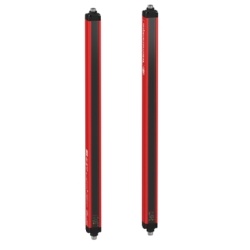
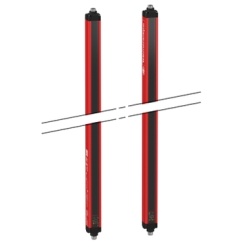
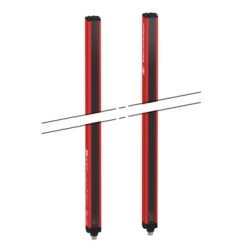
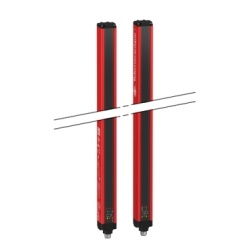
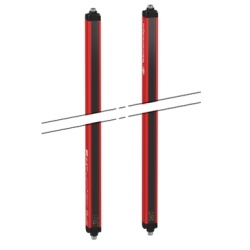
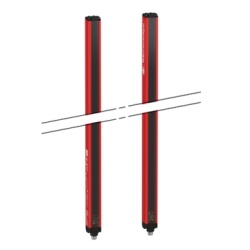
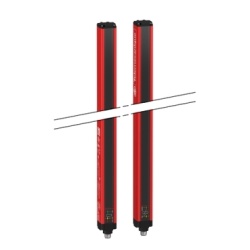
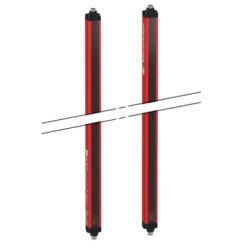
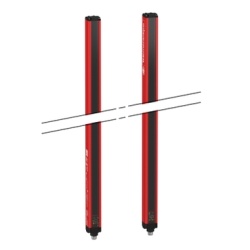
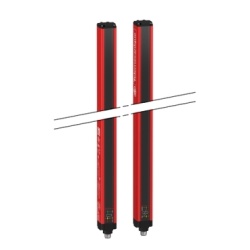
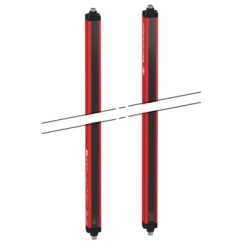
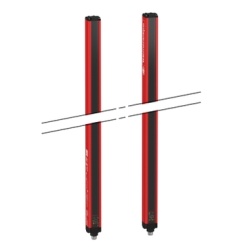
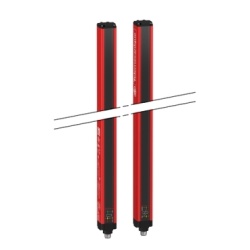
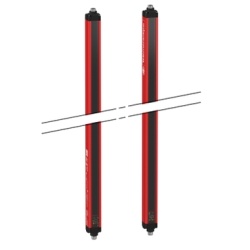
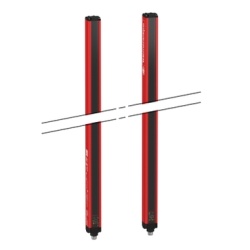
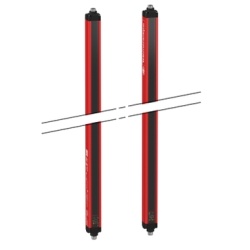
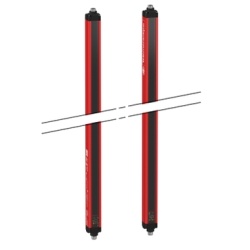
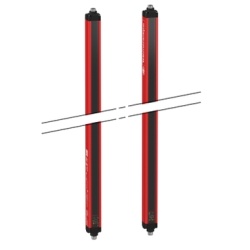
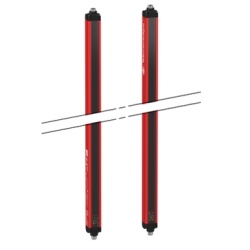
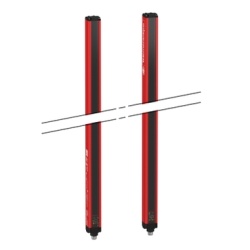
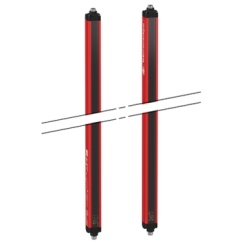
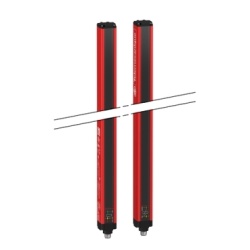
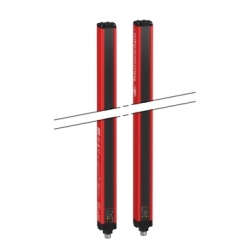
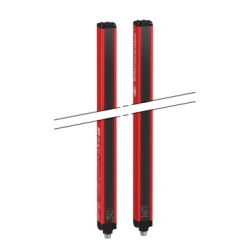
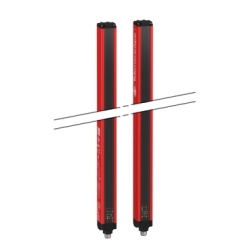
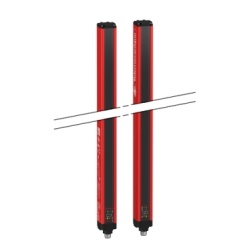
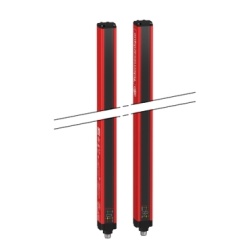
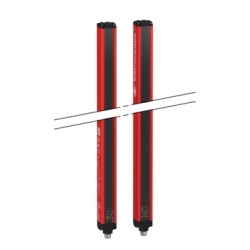
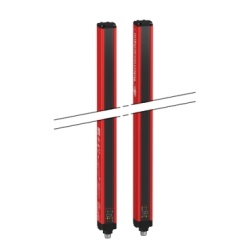
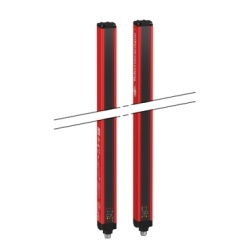
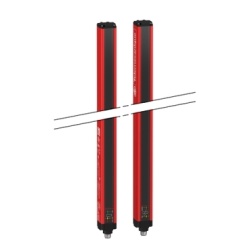
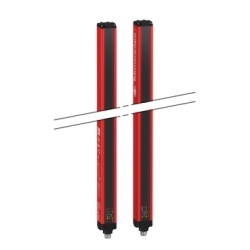
Telemecanique light curtains are responsive electro-optical safety sensors used to detect unwanted access and intrusion into hazardous areas of automated machinery, robotics, and industrial equipment. Telemecanique light curtains utilize a high-speed LED/IR transmitter & photoelectric receiver to create an invisible beam barrier for smart, failsafe light curtain personnel protection. Telemecanique light curtains for the machine safety industry are manufactured under the Schneider Electric / Telemecanique business line.
Telemecanique includes a variety of light curtain types for finger detection, hand detection, and body detection sensing applications, such as point-of-operation machine guarding and perimeter machine guarding control points. They are specifically designed for high repeatability and stability in challenging industrial automation environments with good rejection of EMI or RFI noise, vibration, and light interference issues. Typical applications where Telemecanique light curtains are used include packaging machines, conveying systems, robotic cells, presses, metal forming & fabrication equipment, and an array of in-process machine tool automation.
Telemecanique light curtains are simple to install, align, and wire to any appropriate safety circuit (safety relay or safety controller). There are also plug-and-play light curtain wiring types with quick disconnect cables to reduce time and expense for implementing machine safety light curtains. Adapters, models, and replacement parts are available for all current Telemecanique light curtain systems. These light curtains are trusted worldwide for stable safety detection, high up-time, solid reliability, and rugged long lifecycle operation.
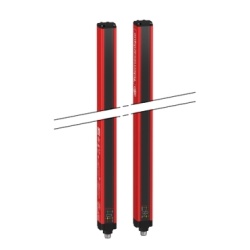
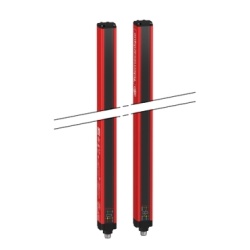
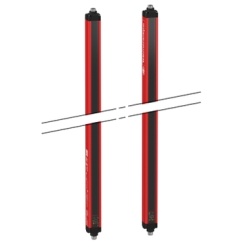
FAQs
What applications benefit most from Telemecanique light curtains?
Telemecanique light curtains are used extensively in packaging lines, robotic work cells, conveyor systems, presses, and automated assembly equipment. They provide immediate intrusion detection to stop hazardous motion, making them essential for environments where operator safety and compliance with machine safeguarding standards are critical.
How do Telemecanique light curtains improve safety and productivity?
Telemecanique light curtains provide non-contact safeguarding, allowing operators to interact with machines without physical barriers that slow production. Their fast response times, stable detection, and continuous self-monitoring help prevent accidents while maintaining efficient workflow. This balance of safety and productivity supports higher throughput across industrial operations.
Are Telemecanique light curtains easy to install and integrate with automation systems?
Yes, Telemecanique designs its light curtains for fast installation using visible alignment indicators, simplified wiring, and standardized connectors. They integrate seamlessly with safety relays, safety PLCs, and industrial control systems, enabling straightforward adoption in both new machinery and retrofit projects requiring upgraded safety performance.
What makes Telemecanique light curtains reliable in demanding industrial environments?
Telemecanique light curtains are constructed with rugged housings, sealed optical components, and electronics designed to resist dust, vibration, water exposure, and electrical interference. Their advanced sensing technology maintains stable operation even in challenging conditions, ensuring long-term reliability and reduced false trips in industrial settings.
Do Telemecanique light curtains offer different protective heights and detection resolutions?
Yes, Telemecanique provides a wide range of resolutions and protective heights to meet diverse safety requirements, including finger detection for precision machinery, hand/limb detection for assembly applications, and body detection for perimeter access guarding. This flexibility allows engineers to select the optimal safeguarding solution for each machine or workspace layout.
Why Buy Telemecanique Light Curtains from RSP Supply
RSP Supply offers Telemecanique light curtains engineered for dependable machine safety and intrusion detection. Our selection supports compliant, reliable safety solutions for industrial automation and manufacturing environments.