

ABB Light Curtains
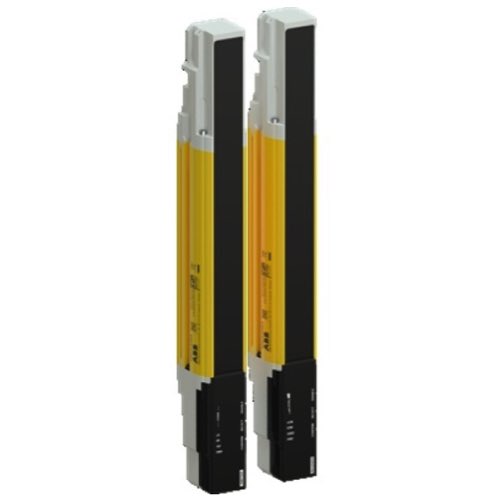
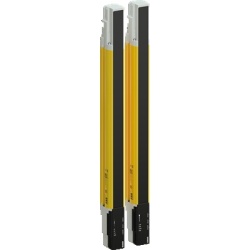
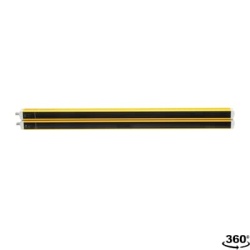
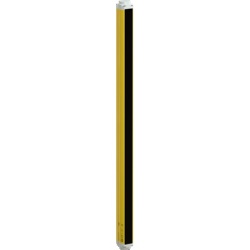
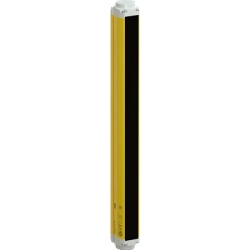
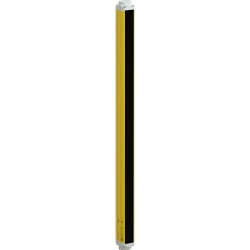
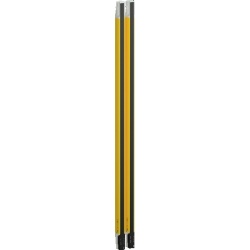
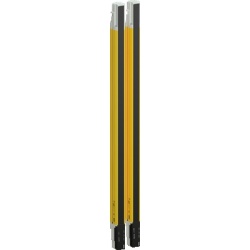
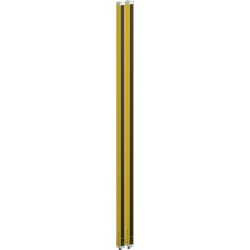
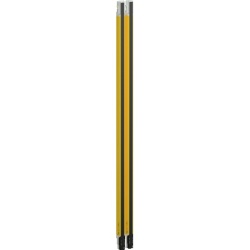
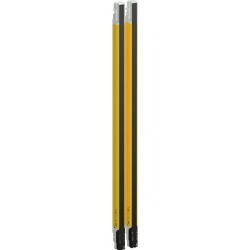
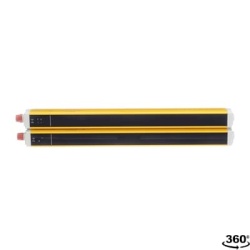
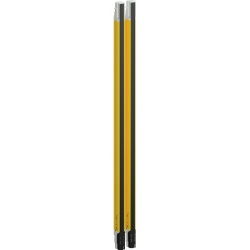
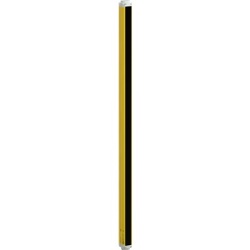
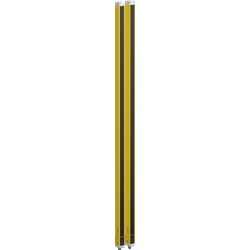
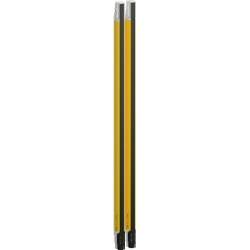
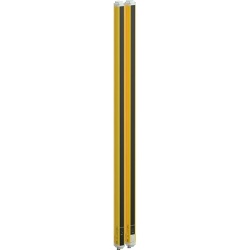
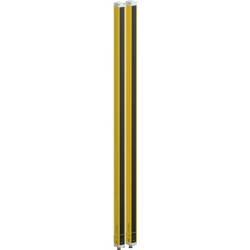
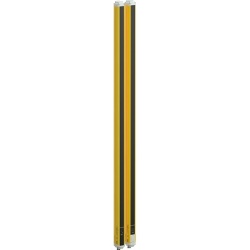
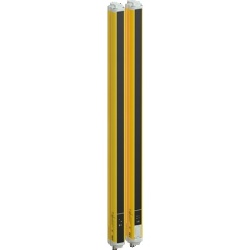
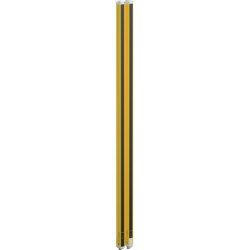
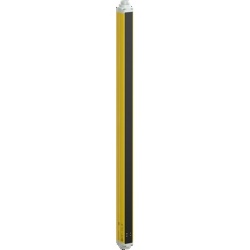
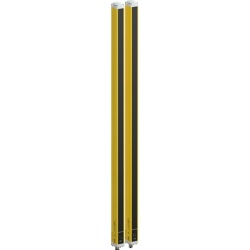
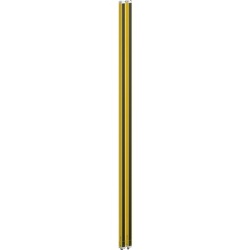
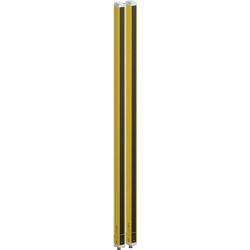
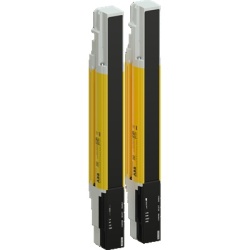
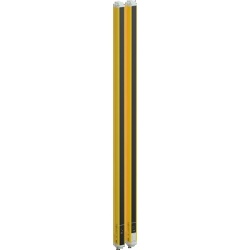
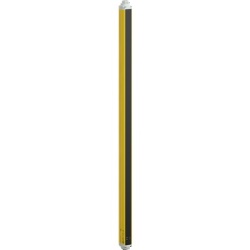
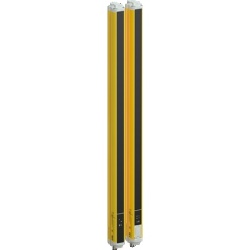
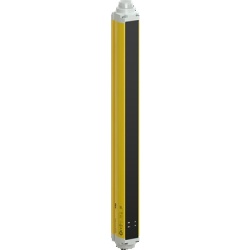
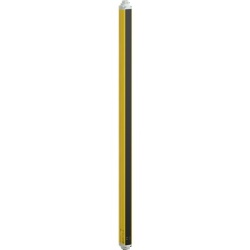
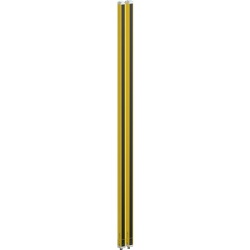
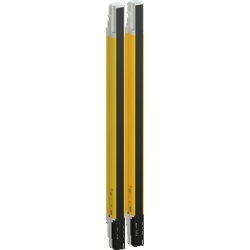
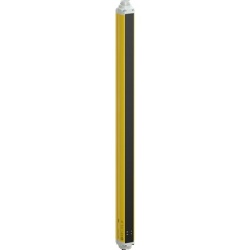
ABB light curtains are designed to provide fast, reliable machine safeguarding in industrial automation, robotics, and manufacturing environments. RSP Supply offers ABB light curtains for presence sensing, perimeter protection, point-of-operation guarding, and worker safety in applications where hazardous machine motion must be monitored closely. These safety devices create a photoelectric sensing field that helps stop dangerous motion when the protected zone is interrupted, supporting safer equipment access and reduced risk of injury.
ABB light curtains are available for finger, hand, body, and perimeter detection, depending on the required safety zone and application layout. These systems are used around presses, robotic cells, packaging lines, conveyors, and automated assembly equipment where dependable intrusion detection is essential. With fast response times, rugged housings, and strong immunity to electromagnetic interference, ABB light curtains are built for repeatable performance in dirty, high-traffic, and demanding industrial environments. Their design also supports simplified mounting, straightforward wiring, coded beam options, and diagnostic feedback to help streamline setup and maintenance.
ABB safety light curtains are designed to support compliance with industrial safety requirements and are engineered for integration into safety relays, controllers, and safety PLC systems. Options are available for close-in machine guarding, access protection, and larger-area perimeter safety, making them suitable for both new machinery and retrofit projects. By combining reliable sensing performance with flexible installation options, ABB light curtains help support safer machine operation, improved productivity, and long-term protection in automated industrial systems.




FAQs
Q: What are ABB light curtains used for?
ABB light curtains are used for machine guarding, presence sensing, perimeter protection, and worker safety in industrial automation and manufacturing environments.
Q: How do ABB light curtains work?
ABB light curtains create a photoelectric sensing field or virtual barrier that triggers a safe stop signal when a person or object interrupts one or more light beams.
Q: What applications benefit most from ABB light curtains?
ABB light curtains are commonly used around presses, robotic cells, packaging lines, conveyors, and automated assembly systems where operator protection is critical.
Q: How do ABB light curtains improve machine safety and productivity?
ABB light curtains help protect workers without requiring solid physical barriers, allowing safer access to machinery while maintaining efficient production flow.
Q: Are ABB light curtains easy to install and integrate with industrial safety systems?
Yes. ABB light curtains are designed with installer-friendly alignment features, visual indicators, and standardized wiring for integration with safety relays, controllers, and safety PLCs.
Why Buy ABB Light Curtains from RSP Supply
RSP Supply offers ABB light curtains for customers who need dependable machine safety sensors for automation, robotics, and industrial guarding applications. With solutions available for presence sensing, perimeter guarding, point-of-operation protection, and flexible system integration, customers can source practical safety products for a wide range of machine safeguarding needs.