

Panduit Humidity Sensors
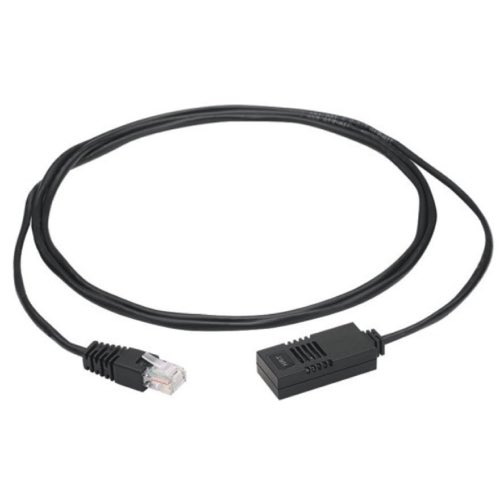
Panduit humidity sensors provide accurate, dependable detection of humidity in building and facility management applications. These high-quality sensors are designed for use in networked building automation systems, data center environmental monitoring, industrial facilities, and commercial HVAC systems. Accurate humidity measurement is critical for maintaining indoor air quality, protecting sensitive materials, and ensuring robust HVAC performance. Panduit products are valued for their quality engineering and integration capabilities in demanding facility and networking applications.
Panduit humidity sensors include room/space sensors, duct sensor assemblies, and combination humidity/temperature units suitable for installation within Panduit structured cabling and control networks. These transmitters and controls use high-precision elements that respond quickly to changes in ambient humidity, even in locations with fluctuating airflow or temperature. Fast return to set-point, long-term stability, and low drift rates help reduce service variability and downtime for facilities that depend on precise environmental management. Many Panduit humidity sensors are specifically optimized to fit smart or networked automation environments.
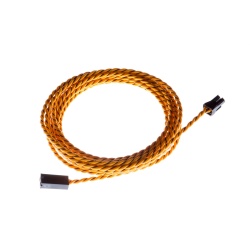
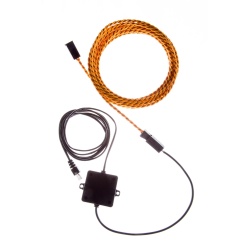
FAQs
Q: What applications benefit most from Panduit humidity sensors?
Panduit humidity sensors are commonly used in data centers, telecommunications rooms, smart buildings, commercial HVAC systems, and industrial facilities where precise humidity monitoring is critical.
Q: How do Panduit humidity sensors improve HVAC and building automation performance?
By providing accurate, real-time humidity data, Panduit sensors help HVAC and BAS controllers optimize dehumidification, cooling, and ventilation, improving comfort, efficiency, and moisture control.
Q: Are Panduit humidity sensors compatible with modern automation systems?
Yes, Panduit humidity sensors are designed to integrate with networked building automation systems, structured cabling infrastructure, and centralized monitoring platforms.
Q: What makes Panduit humidity sensors reliable for long-term use?
Panduit humidity sensors use high-quality sensing elements and durable housings that maintain accuracy under temperature changes, airflow variation, and continuous operation, resulting in low drift and long service life.
Q: Does Panduit offer combined temperature and humidity sensors?
Yes, Panduit offers combination temperature and humidity sensors that provide dual environmental measurements from a single device, simplifying installation and improving coordinated climate control.
Why Buy Panduit Humidity Sensors from RSP Supply
RSP Supply offers a dependable selection of Panduit humidity sensors for HVAC, data center, and building automation applications. Customers rely on RSP Supply for access to trusted manufacturers, detailed technical product information, and knowledgeable support to help ensure proper sensor selection, system compatibility, and reliable long-term environmental monitoring.