

ACI Humidity Sensors
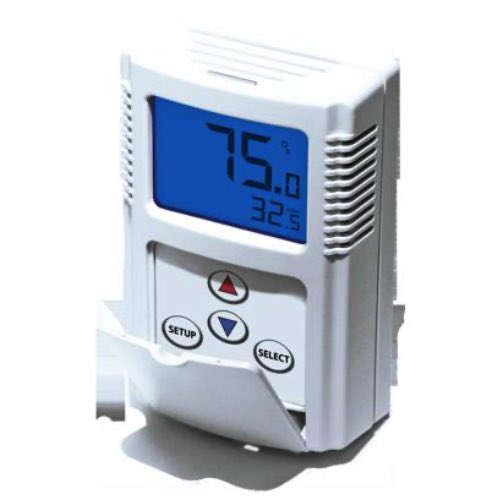
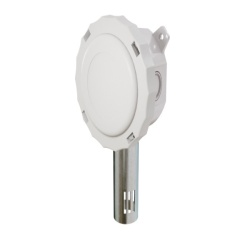
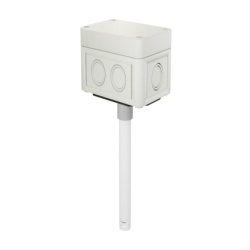
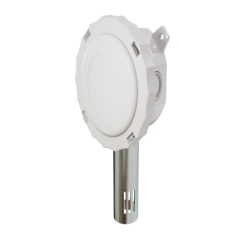
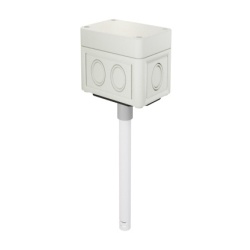
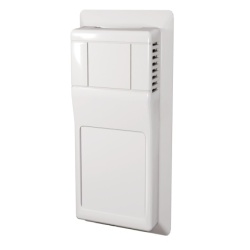
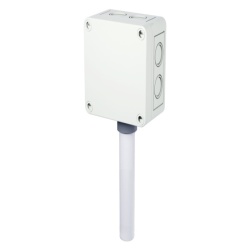
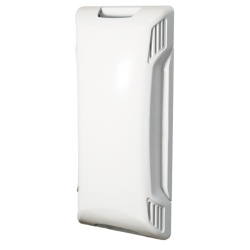
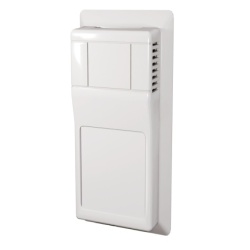
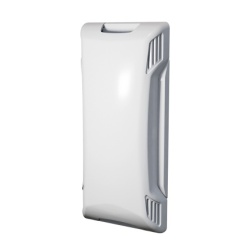
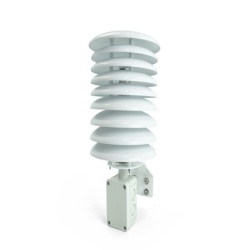
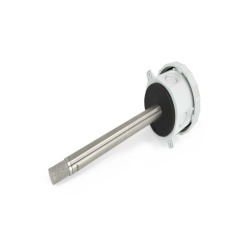
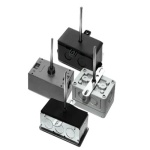
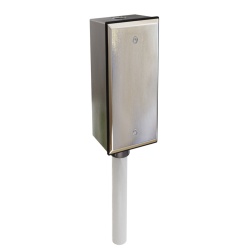
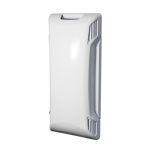
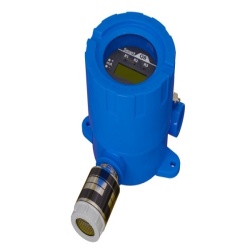
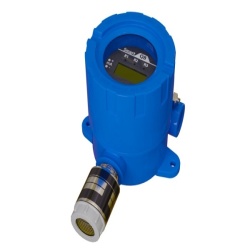
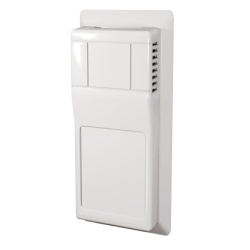
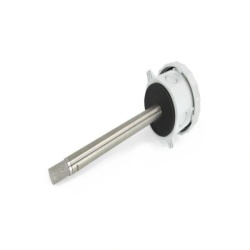
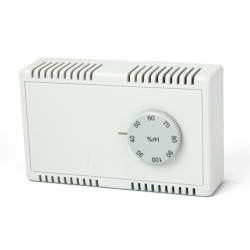
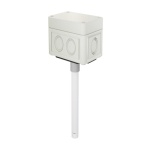
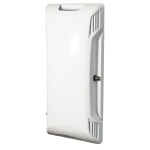
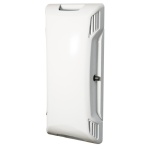
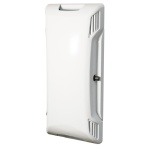
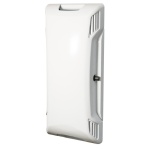
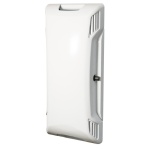
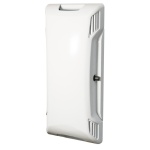
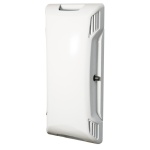
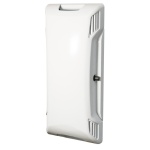
ACI's humidity sensors are built to provide reliable and accurate RH monitoring in HVAC controls, automation, and IAQ applications. Humidity control is critical for comfort, energy, equipment protection, and building material longevity, so ACI designs its humidity product line to meet long-term indoor environmental demands. Their sensors are widely used in commercial buildings, HVAC systems, hospitals, schools, labs, and industrial facilities requiring robust precision RH detection. The ACI humidity sensor family includes transmitters, wall/duct probes, outdoor sensors, and integrated temp/RH devices covering all common mounting, wiring, and range requirements. They employ stable thin-film capacitive elements ensuring linear response and low drift despite temperature, air flow, or wet conditions.
The high accuracy and repeatability output supports BAS system optimization, indoor ventilation control, dew point calculation, comfort management, and automation energy savings in any climate zone. ACI humidity products support BAS format requirements with multiple output signal options (analog/digital), protocols, and flexible field wiring choices. Plus, many models feature interchangeable sensors, field calibration, onboard displays, and configuration switches to facilitate quick installation, reduce field service, and maintain long-life measurement in demanding commercial and critical building environments.








FAQs
What applications benefit most from ACI humidity sensors?
ACI humidity sensors are widely used in commercial HVAC systems, building automation platforms, cleanrooms, hospitals, data centers, and laboratories because they maintain precise indoor air quality and environmental stability. These sensors ensure proper humidity control, which is essential for occupant comfort, material protection, and sensitive equipment performance.
How do ACI humidity sensors improve HVAC efficiency and indoor air quality?
By providing accurate and real-time relative humidity data, ACI sensors enable HVAC and BAS controllers to adjust ventilation, cooling, and dehumidification cycles more efficiently. This results in reduced energy consumption, improved comfort, and better moisture control. Stable humidity measurement prevents mold growth, protects electronic components, and supports optimized airflow management.
Are ACI humidity sensors easy to install and integrate with BAS and HVAC systems?
Yes, ACI humidity sensors are designed for simple installation with standard wiring options, multiple mounting formats, and output choices such as analog (0–10V, 4–20mA) or digital signals. Their compatibility with major building automation systems allows contractors and technicians to integrate them quickly into both retrofit and new-construction projects without complex configuration.
What makes ACI humidity sensors reliable in demanding environments?
ACI builds its humidity sensors with durable housings, advanced sensing elements, and high-quality electronics that resist drift, electrical noise, and environmental stress. Many models include replaceable sensing modules and field-calibration options, ensuring long-term accuracy in environments with fluctuating temperatures or high humidity levels.
How do ACI combination temperature and humidity sensors benefit building automation?
Combination sensors streamline installation and improve control accuracy by supplying both temperature and humidity data from a single device. This enables more precise ventilation control, reduces the number of devices needed in each zone, and simplifies maintenance while maintaining high-quality environmental monitoring across the building.
Why Buy ACI Humidity Sensors from RSP Supply
RSP Supply provides a complete selection of ACI humidity sensors designed for accuracy, longevity, and seamless integration with HVAC and automation systems. RSP Supply ensures you get dependable solutions for maintaining optimal indoor air quality and system efficiency.