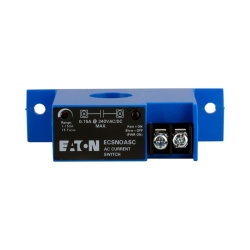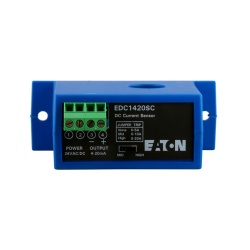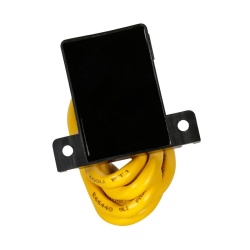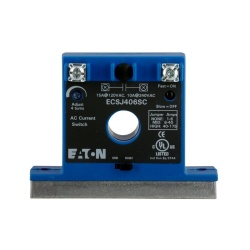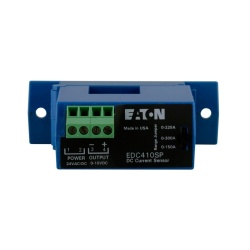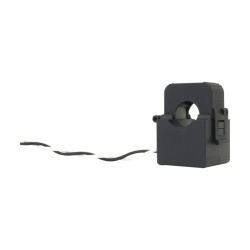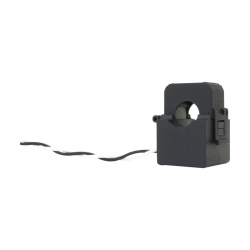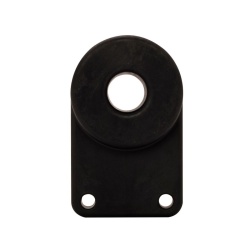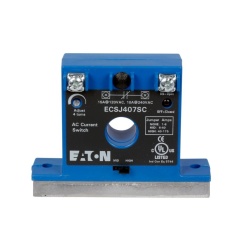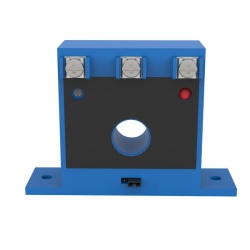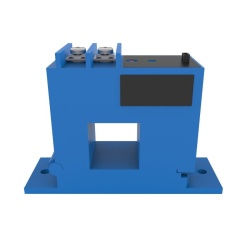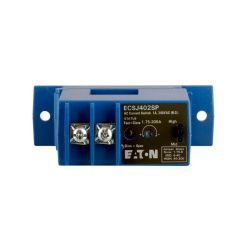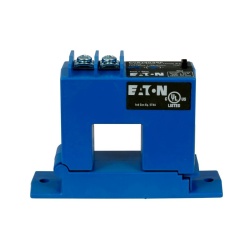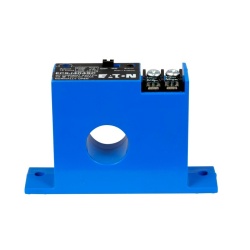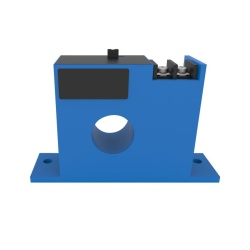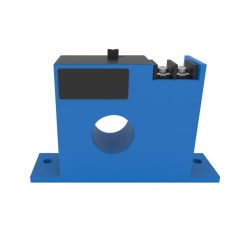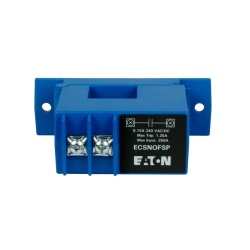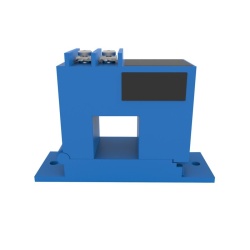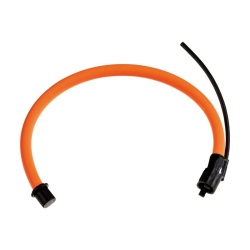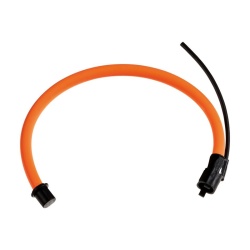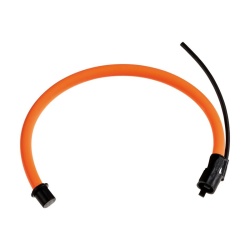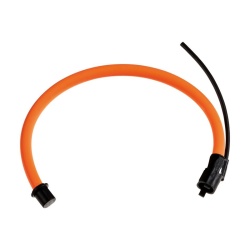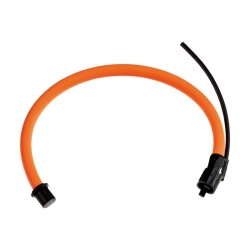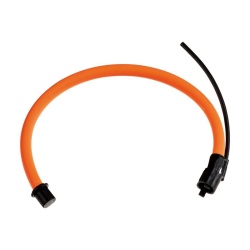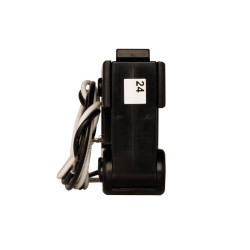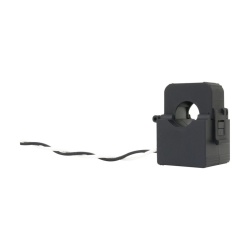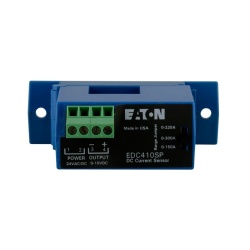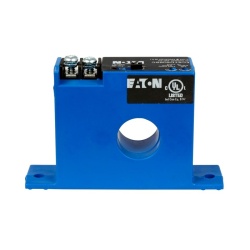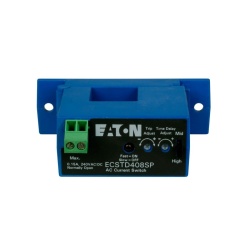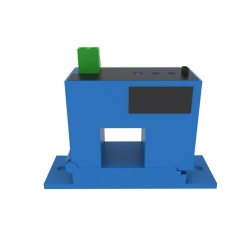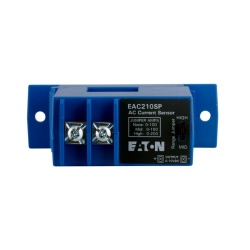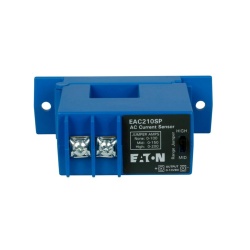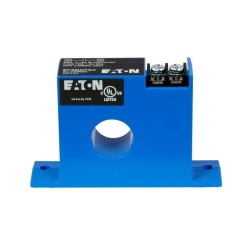
Eaton Current Sensors
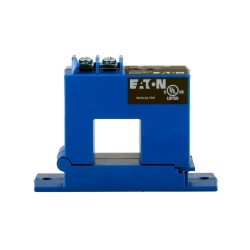
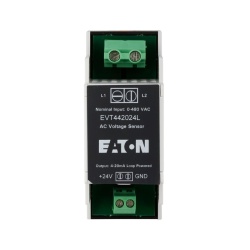
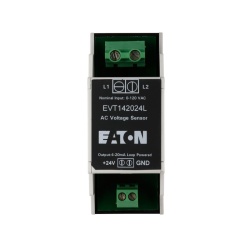
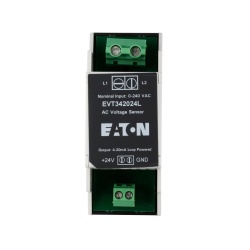
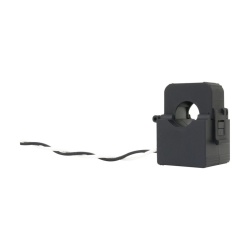
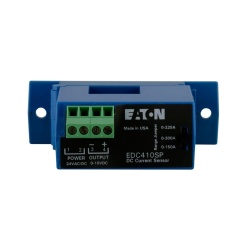
Eaton’s current sensors sense current flow and send signals to control various applications, such as heating, ventilating, and air conditioning, building automation systems, pump and fan motors, lighting, power supplies, and more. They reliably monitor power consumption, provide operating status of electrical loads, and are extensively used in today’s sophisticated monitoring equipment. These current sensors offer the dependability and precision required for mission-critical electrical equipment in industrial, commercial, and institutional settings.
To meet unique monitoring demands for critical equipment management and predictive maintenance, Eaton supplies a range of solid-core and split-core models, which measure AC current for current sensing status or load trends. Eaton’s current sensors are equipped with precise sensing technology, providing repeatable, reliable current measurements and accurate output amid noisy electrical environments. These current sensors ensure that industrial and commercial electrical loads are monitored safely, accurately, and consistently for improved uptime and reliability.
More Information about Eaton Current Sensors
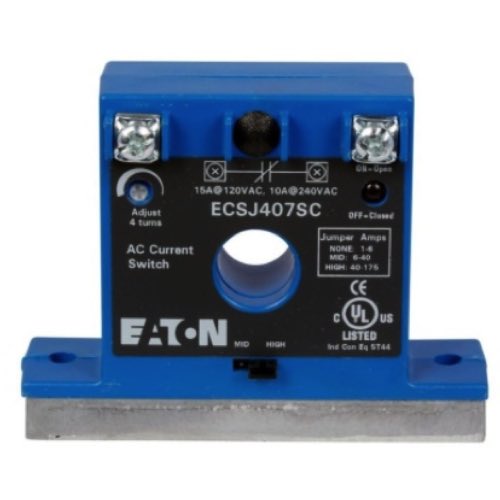
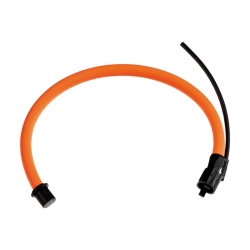
Eaton’s current sensors are easy to install and include split-core models to simplify electrical power distribution system maintenance. They require just a single pass of wire, are designed with easy-to-read visual indicators, and work with a range of motor loads, including full- and reduced-voltage motors, both AC and DC, as well as single-phase and three-phase electrical systems.
Current sensors from Eaton are also highly durable and designed to withstand harsh environmental conditions and frequent cycling. They are critical for ensuring operational efficiency in commercial and industrial buildings, providing a dependable way to measure current and monitor electrical load trends. This combination of ruggedness, precision, and scalability is why engineers, contractors and integrators trust Eaton when they source a reliable solution for current monitoring.
FAQs
What applications benefit most from Eaton current sensors?
Eaton current sensors are widely used in HVAC systems, industrial automation, motor control centers, energy-monitoring platforms, and building automation systems. They provide real-time electrical load data that helps verify motor operation, detect failures early, and support energy-efficiency strategies. Their reliability makes them ideal for monitoring pumps, fans, compressors, heaters, and other essential equipment.
Are Eaton current sensors easy to install in retrofit or live electrical systems?
Yes, Eaton designs many of its current sensors—especially the split-core models—to be installed quickly without disconnecting conductors or powering down equipment. The hinged design, secure latching mechanism, and clear indicators simplify installation for technicians. This makes Eaton sensors particularly well-suited for retrofit projects and large-scale system upgrades.
How do Eaton current sensors help improve equipment reliability and energy efficiency?
By continuously monitoring electrical load behavior, Eaton sensors help facility managers detect abnormal conditions such as overloads, underloads, failing motors, or inconsistent cycling. These insights enable predictive maintenance, reduce downtime, and improve energy efficiency by identifying equipment that is running excessively or inefficiently. This real-time visibility directly contributes to better system performance and lower operating costs.
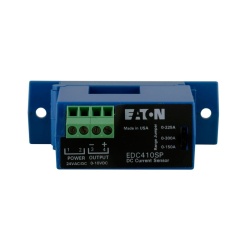
Are Eaton current sensors compatible with PLCs, BAS systems, and energy meters?
Yes, Eaton current sensors are engineered with widely used output formats—such as analog signals, relays, or threshold-based switching—making them highly compatible with PLCs, DDC controllers, BAS systems, SCADA platforms, and energy-management dashboards. Their standardized wiring and output behavior allow easy integration into both new and legacy automation architectures.
What makes Eaton current sensors reliable in harsh or electrically noisy environments?
Eaton designs its current sensors with strong noise immunity, temperature-resistant housings, and robust internal components that maintain accuracy under fluctuating electrical conditions. They perform reliably in environments with vibration, electrical interference, and temperature changes. This durability ensures long-term, stable measurement and reduces the risk of false alarms or sensor drift over time.
Analog and Digital Control Signals: The Basics
Digital Signals
Digital signals are represented in either a true or false. There is no gray area with digital signals. An example of this might be a light switch. A light switch is either on or off. Another example of this might be a motor that is running or not running. Digital signals can be generated with both AC and DC circuits with varying voltages, currents and resistance. Some practical examples of using digital signals in an industrial environment might be if a pump is running or not running or a whether a valve is open or closed.
Analog Signals
Analog signals convey information in the form of a range. A light switch might be on or off as a digital signal, but a dimmer switch would be an analog signal. It can be on or off, but it can also be somewhere in between. A practical example of using analog signals in an industrial environment would be if there is a need to measure the level of a tank; whether it's full, empty or somewhere in between. Analog signals can take many different forms with some of the more common being a 4 to 20 milliamp signal or a 0 to 5 or 0 to 10 volt signal.
Communication
Communication in a device can either be sent or received. Whether that data is sent or received depends on the type of information. Is there a need to monitor the status of something? If so, an input needs to be received about that information. Is there a need to control something? If so, an output needs to be sent about what needs to occur. Receiving inputs and setting outputs are both things that can be accomplished by using both digital and analog signal types. Therefore, the signals are referred to as analog outputs (AO), analog inputs (AI), digital inputs (DI) or digital outputs (DO).