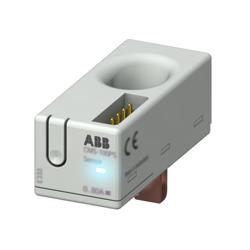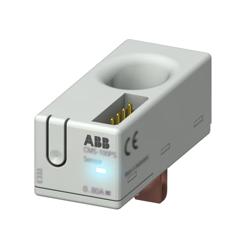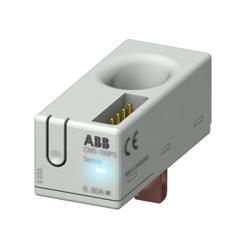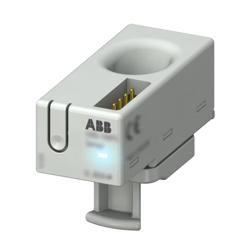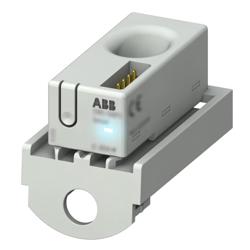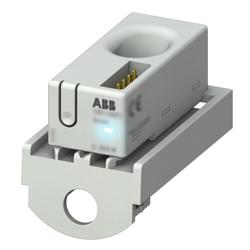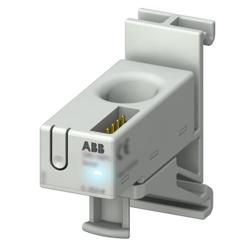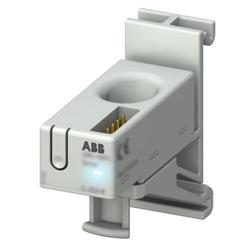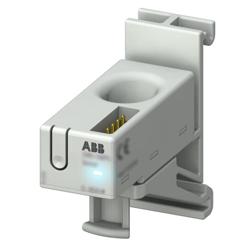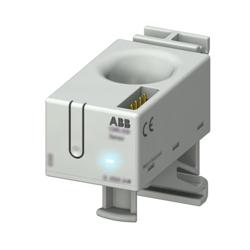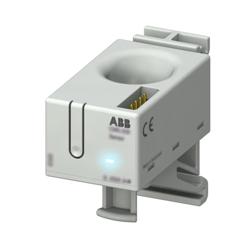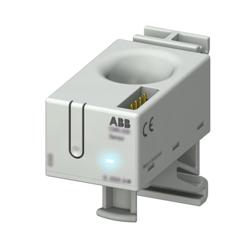
ABB Current Sensors

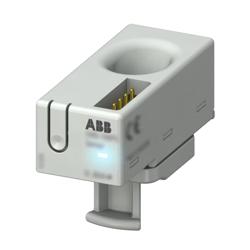
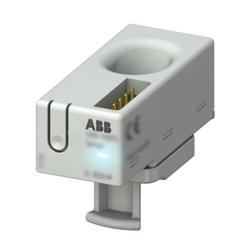
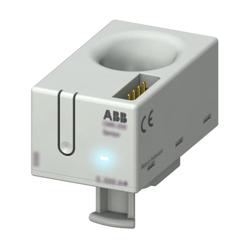
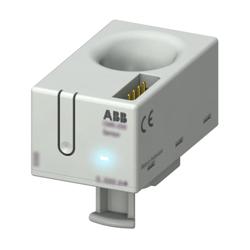
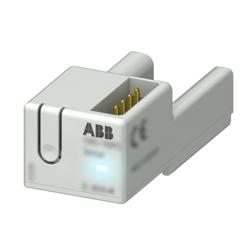
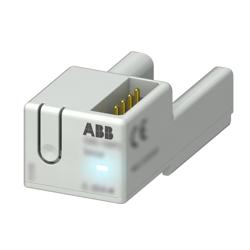
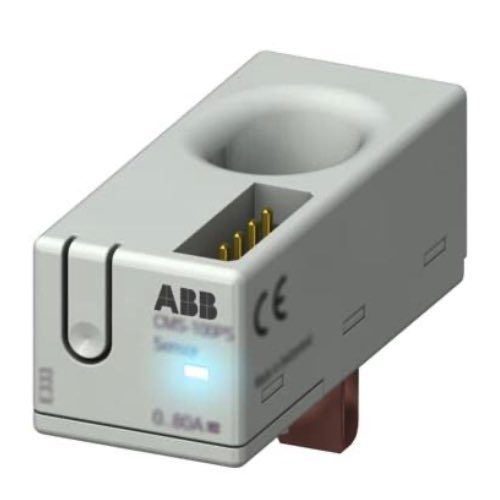
ABB current sensors are precision devices designed to measure AC and DC currents with high accuracy in power distribution, instrumentation, automation, and control applications. ABB aims their current sensors at critical applications such as smart grid monitoring, drives, machine safety, process management, energy metering, and building automation. Current and voltage sensing is a significant product focus for ABB. They manufacture a wide range of component-level sensors as well as solutions that integrate measurement, control, and protective functions. Their key sensor technologies include Hall-effect transducers, Rogowski coils, transformer-based current sensors, and intelligent sensor modules with CANopen or MODBUS interfaces for direct digital integration.

In sensitive or harsh environments, ABB differentiates on stability over time, resistance to electrical noise, wide operating temperature ranges, compact footprint, and low power loss. Accurate and real-time current measurements are important for many energy-management applications. ABB designs their sensors to interface easily with PLCs, inverters, relays, switchgear, submeters, and SCADA or IoT communication devices. Sub-second response, low temperature drift, and high immunity to common-mode noise and harmonics make the units suitable for AC loads with rapidly-changing or pulsed profiles, as well as DC links in power converters.

Found 22 items
Filters
Found 22 items
Manufacturer
ABB (22)
Component
Current Sensor (22)
(Instrument-Sensor) Type
Solid Core (22)
Normally In Stock
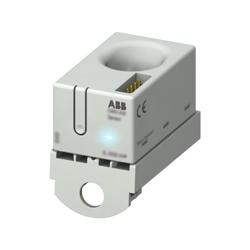
ABB CMS-100PS CMS SENSOR 18MM 80A
Free U.S Ground shipping
$278.27
$231.89
Normally In Stock
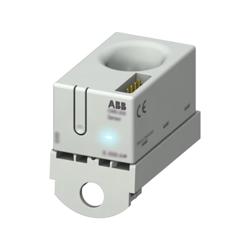
ABB CMS-101PS CMS SENSOR 18MM 40A
Free U.S Ground shipping
$278.27
$231.89
Normally In Stock
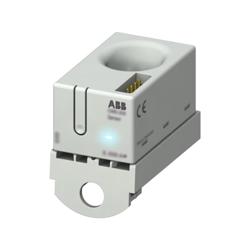
ABB CMS-102PS CMS SENSOR 18MM 20A
Free U.S Ground shipping
$278.27
$231.89
Normally In Stock
ABB CMS-100CA CMS SENSOR 18MM 80A CABLE
Free U.S Ground shipping
$278.27
$231.89
Normally In Stock
ABB CMS-101CA CMS SENSOR 18MM 40A CABLE
Free U.S Ground shipping
$278.27
$231.89
Normally In Stock
ABB CMS-102CA CMS SENSOR 18MM 20A CABLE
Free U.S Ground shipping
$278.27
$231.89
Normally In Stock
ABB CMS-201CA CMS SENSOR 25MM 80A CABLE
Free U.S Ground shipping
$356.03
$296.69
Normally In Stock
ABB CMS-202CA CMS SENSOR 25MM 40A CABLE
Free U.S Ground shipping
$356.03
$296.69
Normally In Stock
ABB CMS-100S8 CMS SENSOR 18MM 80A S800
Free U.S Ground shipping
$278.27
$231.89
Normally In Stock
ABB CMS-101S8 CMS SENSOR 18MM 40A S800
Free U.S Ground shipping
$278.27
$231.89
Normally In Stock
ABB CMS-100DR CMS SENSIR 18MM 80A DIN-RAIL
Free U.S Ground shipping
$278.27
$231.89
Normally In Stock
ABB CMS-101DR CMS SENSOR 18MM 40A DIN-RAIL
Free U.S Ground shipping
$278.27
$231.89
Normally In Stock
ABB CMS-102DR CMS SENSOR 18MM 20A DIN-RAIL
Free U.S Ground shipping
$278.27
$231.89
Normally In Stock
ABB CMS-200DR CMS SENSOR 25MM 160A DIN-RAIL
Free U.S Ground shipping
$356.03
$296.69
Normally In Stock
ABB CMS-201DR CMS SENSOR 25MM 80A DIN-RAIL
Free U.S Ground shipping
$356.03
$296.69
Normally In Stock
ABB CMS-202DR CMS SENSOR 25MM 40A DIN-RAIL
Free U.S Ground shipping
$356.03
$296.69
Normally In Stock
ABB CMS-200S8 CMS SENSOR 25MM 160A S800
Free U.S Ground shipping
$356.03
$296.69
Normally In Stock
ABB CMS-201S8 CMS SENSOR 25MM 80A S800
Free U.S Ground shipping
$356.03
$296.69
Normally In Stock
ABB CMS-202S8 CMS SENSOR 25MM 40A S800
Free U.S Ground shipping
$356.03
$296.69
Normally In Stock
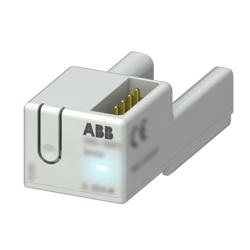
ABB CMS-120PS CMS SENSOR OPEN-CORE 80A 18MM
Free U.S Ground shipping
$263.93
$219.94
Normally In Stock
ABB CMS-121PS CMS SENSOR OPEN-CORE 40A 18MM
Free U.S Ground shipping
$263.93
$219.94
Normally In Stock
ABB CMS-122PS CMS SENSOR OPEN-CORE 20A 18MM
Free U.S Ground shipping
$263.93
$219.94

More Information about ABB Current Sensors

Close integration with ABB drives, relays, and process automation platforms ensures sensors can feed protection, regulation, diagnostic, and predictive maintenance systems to optimize electrical efficiency and reliability across the value chain. Some of the core applications ABB targets include: industrial motors and drives power grid monitoring LV and MV distribution panels solar inverters and storage e-vehicle charging wind turbines and backup power building energy tracking Intrinsic safety, robust housings, and covered linkages to isolation barriers allow ABB current sensors to work dependably for years even in environments with dust, vibration, humidity, or variable temperatures. This makes them well-suited not only to primary equipment but also for ongoing asset management, energy efficiency, and operational optimization tasks where electrical current data must be both accurate and actionable.

There is a strong focus on EN/IEEE standards for accuracy class, EMC, and functional safety in ABB’s current sensing portfolio. Their specifications help engineers match the sensor model and output to metering, control, automation, or grid feedback requirements, with a variety of analog, digital, and customizable communications available for project-specific needs. With ABB’s global reputation for innovation and quality, their current sensors remain a trusted choice for companies that require robust and precise electrical monitoring solutions.

FAQs

What makes ABB current sensors highly accurate compared to standard current transformers?

ABB current sensors use advanced Hall-effect and closed-loop technologies that provide excellent linearity, low drift, and fast response times. This level of precision ensures accurate AC and DC measurement even in circuits with harmonics, switching noise, or rapidly changing loads.

How do ABB current sensors enhance safety in electrical systems?

ABB current sensors help protect equipment and personnel by providing real-time monitoring of overloads, ground faults, inefficiencies, and irregular current patterns. Their accuracy ensures that protection relays, circuit breakers, and automation systems receive dependable data for safe operation and rapid fault response.

Can ABB current sensors integrate into renewable energy systems?

Yes, ABB current sensors are widely used in solar, wind, EV charging, and energy-storage systems because they offer stable DC measurement, high accuracy, and wide operating ranges. Their durability and noise immunity make them ideal for modern, high-efficiency power electronics.

Why are ABB current sensors ideal for industrial automation?

They provide precise current feedback required for motor control, drives, variable-frequency systems, and real-time power monitoring. Their compatibility with PLCs and industrial networks ensures smooth integration and high-performance automation control.

Are ABB current sensors suitable for retrofits and new installations?

Yes, ABB offers a variety of mounting styles, DIN-rail options, and wiring configurations that make installation simple in both new builds and retrofit projects, allowing facilities to upgrade monitoring capabilities without altering major system components.

 Analog and Digital Control Signals: The Basics

Digital Signals

Digital signals are represented in either a true or false. There is no gray area with digital signals. An example of this might be a light switch. A light switch is either on or off. Another example of this might be a motor that is running or not running. Digital signals can be generated with both AC and DC circuits with varying voltages, currents and resistance. Some practical examples of using digital signals in an industrial environment might be if a pump is running or not running or a whether a valve is open or closed.

Analog Signals

Analog signals convey information in the form of a range. A light switch might be on or off as a digital signal, but a dimmer switch would be an analog signal. It can be on or off, but it can also be somewhere in between. A practical example of using analog signals in an industrial environment would be if there is a need to measure the level of a tank; whether it's full, empty or somewhere in between. Analog signals can take many different forms with some of the more common being a 4 to 20 milliamp signal or a 0 to 5 or 0 to 10 volt signal. 

Communication

Communication in a device can either be sent or received. Whether that data is sent or received depends on the type of information. Is there a need to monitor the status of something? If so, an input needs to be received about that information. Is there a need to control something? If so, an output needs to be sent about what needs to occur. Receiving inputs and setting outputs are both things that can be accomplished by using both digital and analog signal types. Therefore, the signals are referred to as analog outputs (AO), analog inputs (AI), digital inputs (DI) or digital outputs (DO).