
Tek-Trol Controllers & Timers
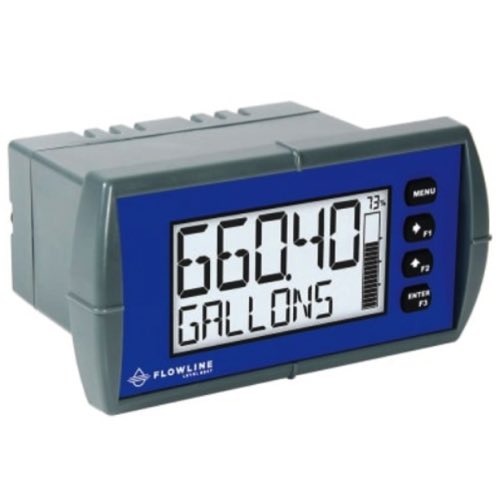
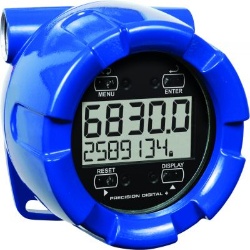
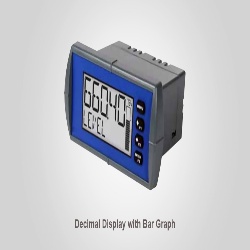
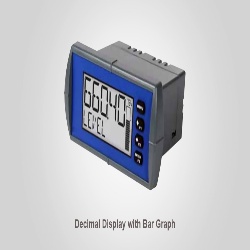
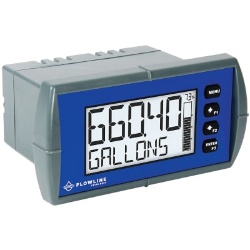
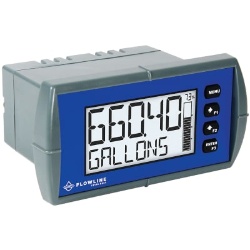
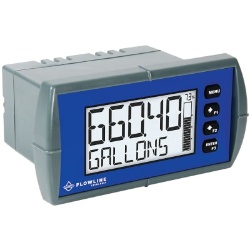
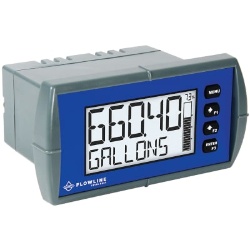
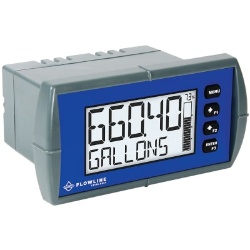
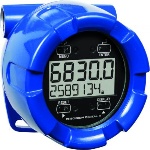
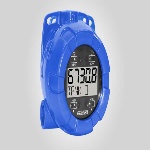
Tek-Trol indicator and controller product lines are designed to provide reliable and precise monitoring and control of industrial processes. They offer a range of features, including high-visibility displays, flexible input/output options, and user-friendly interfaces, making them suitable for various applications. With robust construction and advanced technology, these devices ensure accurate measurements and timely responses, enhancing system efficiency and safety. Tek-Trol indicators and controllers are ideal for diverse industries, delivering consistent performance even in challenging environments.
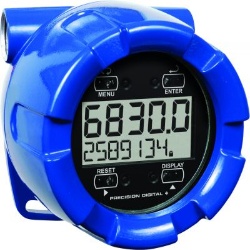
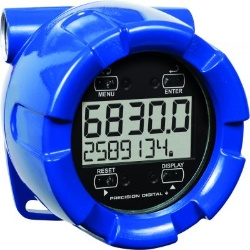
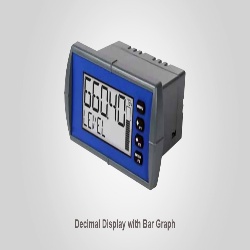
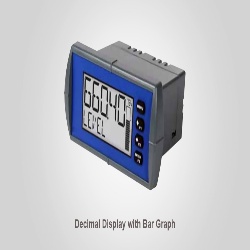
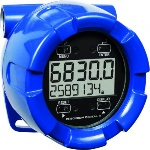
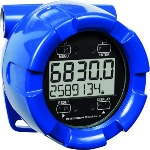
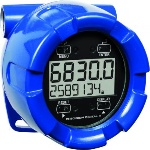
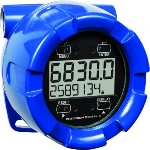
Tek-Trol controllers and indicators come equipped with full-protection REFLEX dials. This technology is specifically crafted to enhance ultra-clear readability of data through the use of strong UV lights. This design also gives it a sharp readability visible from large distances. They are suitable for both individual device monitoring and automation, as part of a fully automated system, ensuring reliable measurement and control for critical processes.
FAQs
What are Tek-Trol indicators and controllers used for?
Tek-Trol indicators and controllers are used to monitor, display, and control process variables such as flow, level, pressure, and temperature in industrial applications. They provide real-time visual feedback and control functions for process optimization, safety, and operational efficiency in demanding environments such as oil and gas, chemical processing, water treatment, and power generation.
What types of indicators and controllers does Tek-Trol offer?
Tek-Trol offers a variety of indicators and controllers, including digital panel indicators, flow indicators, level controllers, and multi-variable process controllers. These devices are designed to integrate with field instruments such as sensors and transmitters and provide configurable outputs for alarms, data logging, and control actions. Selection depends on the process variable, required accuracy, and system integration needs.
How accurate and reliable are Tek-Trol indicators and controllers?
Tek-Trol indicators and controllers are engineered for accuracy, stability, and long-term reliability in industrial process environments. Accuracy varies by model and application, but robust hardware design and advanced signal processing help ensure consistent performance. Proper installation and calibration are essential to maintaining accurate measurement and control over time.
How do Tek-Trol indicators and controllers integrate with control systems?
Tek-Trol indicators and controllers integrate with PLCs, DCS, and SCADA systems using standard industrial communication signals such as 4–20 mA, pulse inputs, and digital outputs. This allows seamless data exchange, alarm signaling, and process control coordination. Their compatibility makes them suitable for both new installations and retrofit projects.
Do Tek-Trol indicators and controllers require calibration and maintenance?
Yes, Tek-Trol indicators and controllers should be periodically calibrated and inspected to ensure accurate readings and dependable control performance. Calibration intervals depend on process criticality and operating conditions. Routine maintenance helps identify signal drift, wiring issues, or component wear early, supporting long-term reliability and confidence in process control.
Why Buy Tek-Trol Indicators & Controllers from RSP Supply
RSP Supply offers Tek-Trol indicators and controllers engineered for accurate monitoring and dependable process control. Our selection supports reliable performance across a wide range of industrial automation and measurement applications.