

Eaton Controllers & Timers
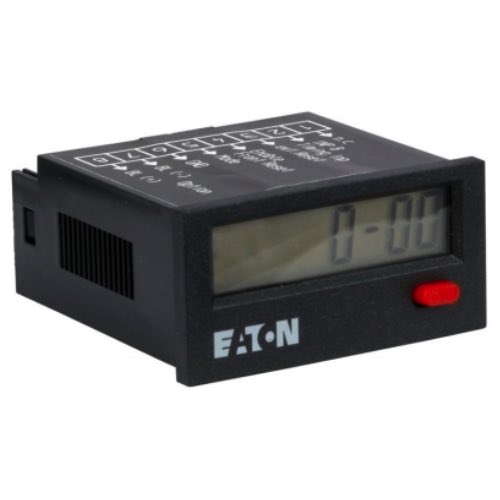
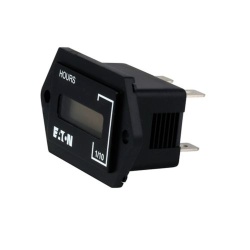
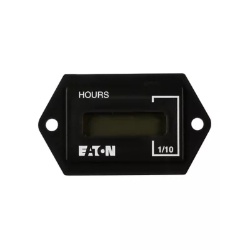
RSP Supply carries a full line of Eaton timer controllers designed for accurate and efficient timing control in industrial and commercial systems. These timers automate processes such as motor start and stop sequences, lighting control, pump operation, and conveyor timing - improving system performance and extending equipment life. Eaton timer controllers simplify automation by managing on/off delays, intervals, and cyclic operations without the need for complex programming. Available in multiple formats; on-delay, off-delay, interval, repeat cycle, and programmable multifunction models, they provide flexible solutions for any timing or sequencing requirement.
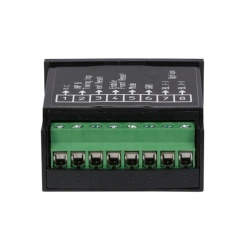
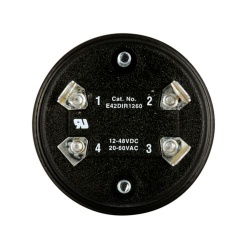
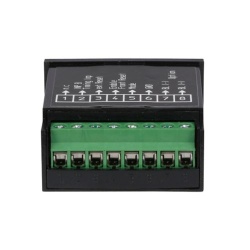
Built with durable components and solid-state reliability, Eaton timer controllers perform under demanding conditions, including vibration, temperature extremes, and electrical interference. They are available for both AC and DC voltages ranging from 12V to 480V, and many models include multiple output contacts for controlling several loads simultaneously. Clear terminal labeling, front panel dials, digital displays, and DIN-rail or panel mounting options make installation simple and integration seamless.
FAQs
Q: What are Eaton timer controllers used for?
Eaton timer controllers automate on/off timing, sequencing, and delay functions for equipment such as motors, pumps, conveyors, and lighting systems.
Q: What types of timer controllers are available?
Eaton offers multifunction, delay-on, off-delay, interval, recycling, and programmable timer controllers suitable for simple to advanced automation tasks.
Q: Are Eaton timer controllers suitable for industrial use?
Yes. Eaton timer controllers are engineered for heavy-duty industrial environments, ensuring long mechanical life and reliable operation in harsh conditions.
Q: How do timer controllers improve automation efficiency?
They reduce manual intervention, standardize operation cycles, prevent rapid equipment cycling, and improve overall process reliability.
Q: How do I choose the right Eaton timer controller?
Select based on timing function, voltage range, load type, and mounting method. RSP Supply experts can help match the right model to your system needs.
Why Buy Eaton Timer Controllers from RSP Supply
RSP Supply offers a comprehensive selection of Eaton timer controllers at competitive prices, with fast shipping and expert support. Whether you need a basic delay timer or a programmable multifunction controller, our team can help you find the right solution for your control panel or automation system. Trust RSP Supply for reliable Eaton products and dependable service that keeps your operations running on time.