

Telemecanique Pressure Switches
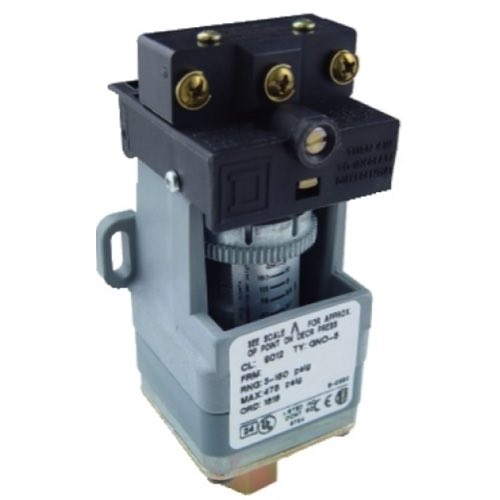
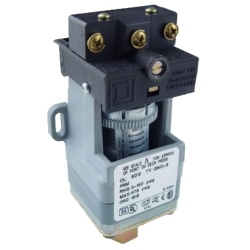
RSP Supply carries a full line of Telemecanique Pressure Switches engineered for dependable pressure monitoring and control in industrial automation, process systems, and fluid handling applications. Known for their precision actuation, rugged construction, and long service life, these switches ensure consistent performance in environments such as manufacturing plants, pumping stations, and HVAC systems.
Telemecanique pressure switches are built to start and stop pumps, trigger alarms, and protect equipment from conditions such as overpressure or improper regulation in pneumatic and hydraulic systems. They feature reliable mechanical operation with consistent repeatability, ensuring actuation at a precise pressure point every time. Many models include visual indicators for status monitoring and accessible terminals that simplify wiring and installation within control panels or confined spaces. Designed to perform across a wide range of gases and liquids - including water and industrial fluids - Telemecanique switches deliver the versatility needed for modern process control.
FAQs
What are Telemecanique pressure switches used for?
Telemecanique pressure switches are used to monitor system pressure and provide reliable on/off control in industrial automation and machinery applications. They activate electrical contacts when a preset pressure level is reached, helping protect equipment, control processes, and trigger alarms in hydraulic, pneumatic, and process systems.
What types of pressure switches does Telemecanique offer?
Telemecanique offers pressure switches designed for a variety of industrial applications, including mechanical and electronic pressure switches for low-, medium-, and high-pressure ranges. These switches are commonly used in hydraulic and pneumatic circuits, compressors, pumps, and automated machinery. Selection depends on pressure range, media compatibility, and control requirements.
How do Telemecanique pressure switches differ from pressure sensors or transmitters?
Telemecanique pressure switches provide discrete on/off control at a defined pressure setpoint, whereas pressure sensors and transmitters deliver continuous pressure readings to control systems. Pressure switches are ideal for safety interlocks, alarms, and equipment protection, while sensors and transmitters are used for monitoring, trending, and precise control.
What industries commonly use Telemecanique pressure switches?
Telemecanique pressure switches are widely used in industrial automation, manufacturing, machine building, material handling, and process control applications. These industries rely on them to ensure safe operation, automate pressure-based functions, and protect machinery from abnormal pressure conditions.
Do Telemecanique pressure switches require calibration or maintenance?
Yes, Telemecanique pressure switches should be periodically inspected and tested to ensure accurate setpoint activation and reliable operation. Maintenance frequency depends on application criticality and operating conditions. Routine inspection helps detect drift, mechanical wear, or pressure sensing issues early, supporting long-term system reliability and safety.
Why Buy Telemecanique Pressure Switches from RSP Supply
RSP Supply provides genuine Telemecanique pressure switches with expert technical support, fast shipping, and competitive pricing. Our team helps you find the right model for your pressure monitoring, control, or protection needs; ensuring safety, precision, and long-term performance in any industrial setting.