

Omega Pressure Switches
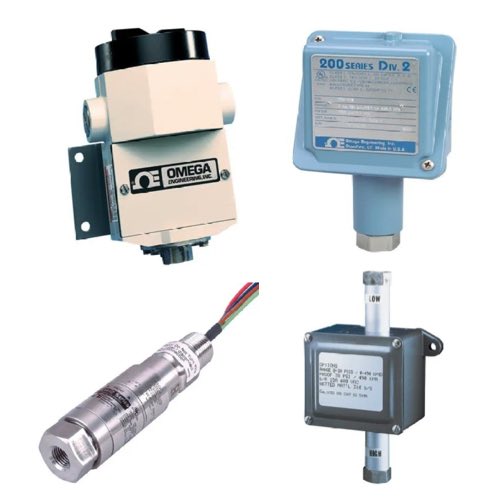
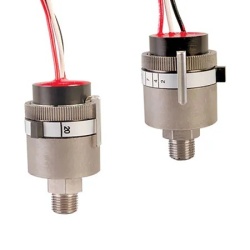
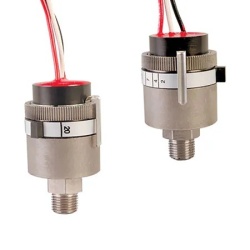
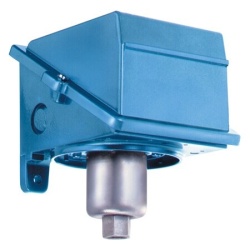
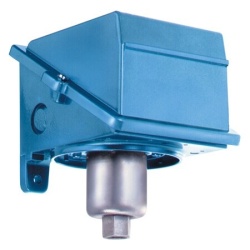
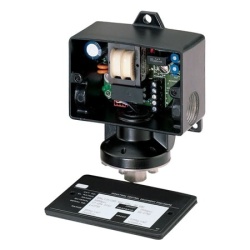
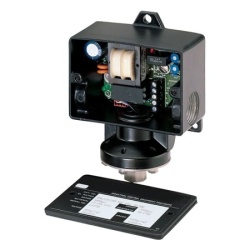
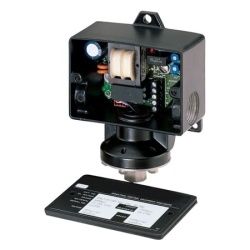
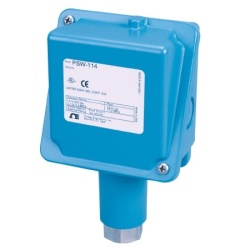
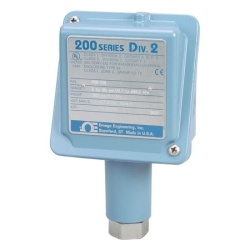
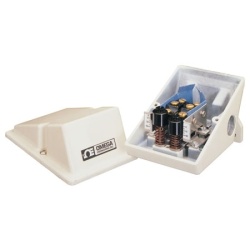
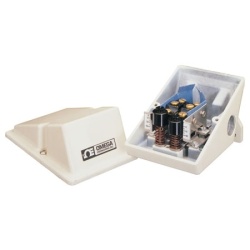
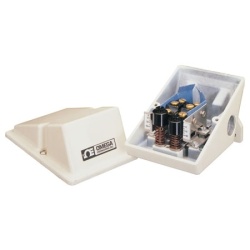
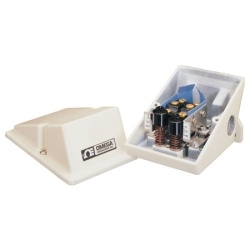
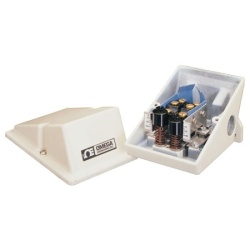
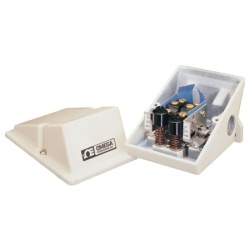
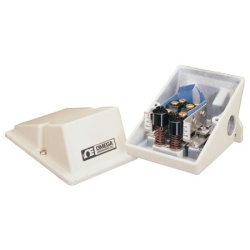
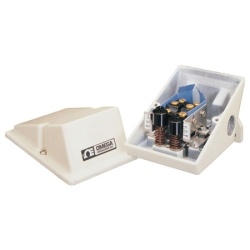
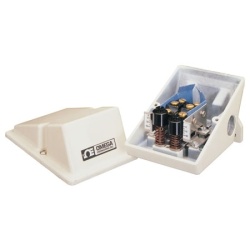
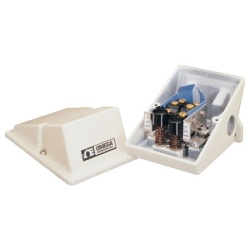
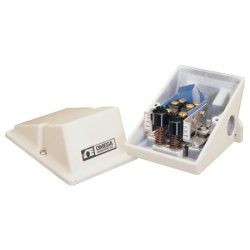
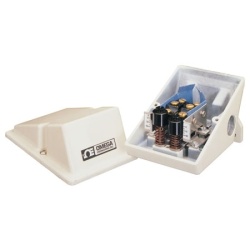
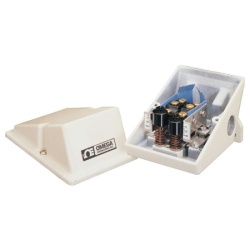
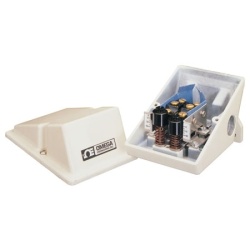
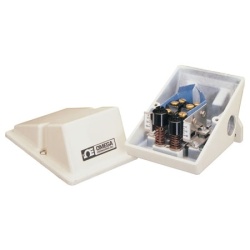
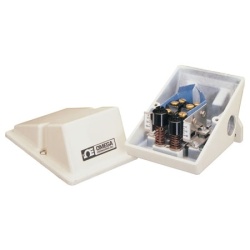
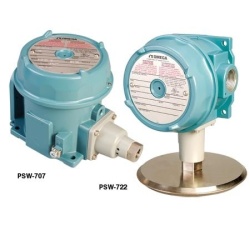
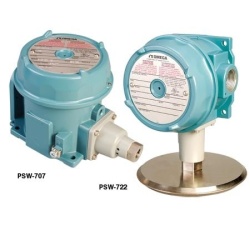
Omega pressure switches are built for dependability. They offer reliable, repeatable switching performance across most applications. Measurement devices in the commercial, industrial, and scientific arenas often need to make precise decisions based on pressure readings. That makes pressure switches a key part of a huge number of systems. For switching applications, pressure switches take pressure as their input. When the pressure reaches a certain threshold, the device changes its output state, most often going from a normally closed (NC) state to a normally open (NO) state or vice versa.
Omega provides its pressure switch line with comprehensive documentation, a wide range of customization options, and robust industry compatibility, allowing them to work effortlessly with all sorts of controllers, PLCs, pumps, motors, and safety circuits. Their standing in the industrial automation and engineering fields is built on decades of consistent product performance, technical know-how, and sensing technology innovations. Above all, they are known for offering what might be the trifecta of performance in pressure switches: reliable, configurable, and durable.

FAQs
Q: What are Omega pressure switches used for?
Omega pressure switches are used to monitor system pressure and provide on/off control when a preset pressure threshold is reached. They support equipment protection, alarms, and automated control in industrial, laboratory, HVAC, and process applications.
Q: What types of pressure switches does Omega offer?
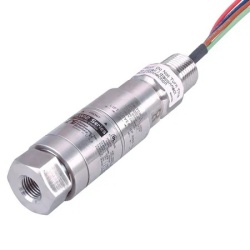
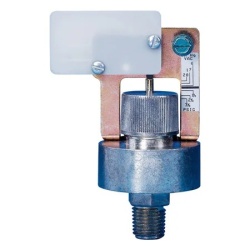
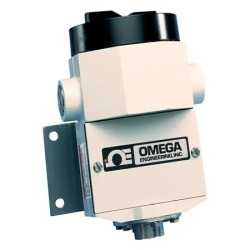
Omega offers mechanical and electronic pressure switches, differential pressure switches, vacuum pressure switches, and high-pressure industrial switches with adjustable or fixed setpoints.
Q: How do Omega pressure switches differ from pressure sensors or transmitters?
Pressure switches provide discrete on/off control at a specific pressure setpoint, while pressure sensors and transmitters deliver continuous pressure measurement signals for monitoring and control systems.
Q: What industries commonly use Omega pressure switches?
Omega pressure switches are widely used in manufacturing, HVAC, water and wastewater treatment, chemical processing, laboratory equipment, and energy-related applications.
Q: Do Omega pressure switches require calibration or maintenance?
Yes, periodic testing and inspection are recommended to verify accurate setpoint operation. Maintenance intervals depend on application criticality and operating conditions.
Why Buy Omega Pressure Switches from RSP Supply
RSP Supply offers a comprehensive selection of Omega pressure switches for industrial pressure monitoring and control applications. Customers rely on RSP Supply for access to trusted instrumentation brands, detailed technical product information, and knowledgeable support to help ensure proper switch selection, system compatibility, and long-term operational reliability.