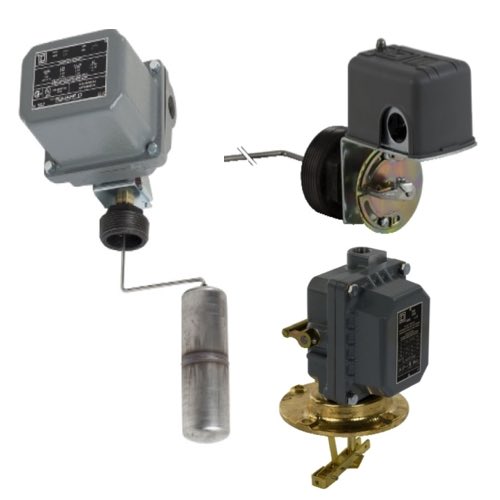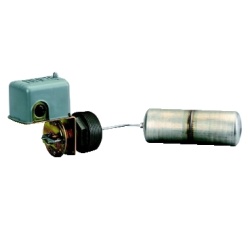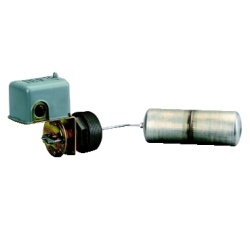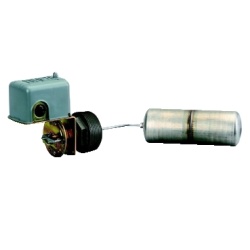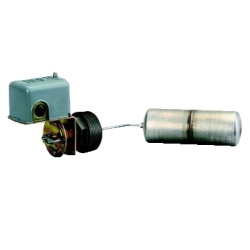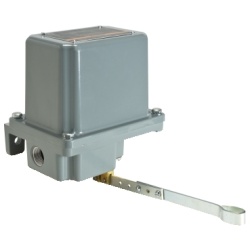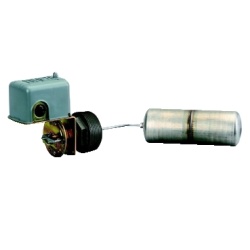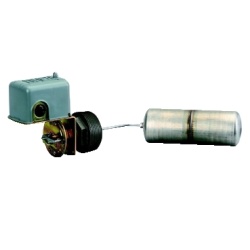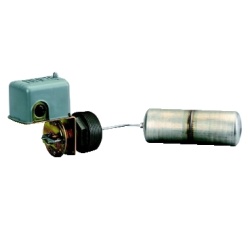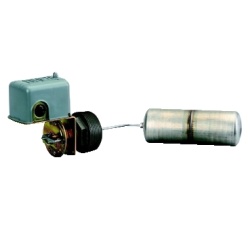

Telemecanique Level Switches

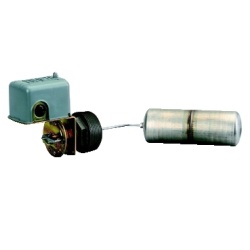
Level switches made by Telemecanique are dependable. They monitor liquid levels in all sorts of industrial situations—tanks, process systems, and fluid-handling equipment—where accuracy and rugged performance are paramount. Their strong reputation for reliability and ease of integration into modern control architectures is a large part of what makes them widely used in such diverse applications as water treatment, chemical processing, and HVAC.

Whether you choose an on/off switch with a float or one with solid-state sensing (for the acoustically, electrically, or magnetically challenged environments for which Telemecanique has models), you will be using a product that offers proven level control for pumps, alarms, and automated processes. You could say that a defining strength of Telemecanique’s lineup of level switches is the variety of technologies employed across the models.

Some capacitive switches can do what few others can—sense the presence of heavy, moist, or gas-permeated materials. Similarly, some conductive level switches are designed specifically for systems that handle wastewater or other colloidal environments; they’ll sense the interface between a clean liquid and a dirty one on their way to sense that the clean liquid level is too low and that the dirty liquid level is too high for the system to work properly.
Found 74 items
Filters
Found 74 items
Manufacturer
Telemecanique (74)
Component
Float Switch (74)
(Instrument-Sensor) Application
Closed Tank (53)
Condensation Pump (1)
Liquid Level Control (73)
Open Tank General Purpose (9)
Open Tank Heavy Duty (9)
Open Tank Pedestal Style (2)
(Instrument-Sensor) Connection Type
Screw-Clamp Terminals (74)
(Instrument-Sensor) Contact Configuration
2 NC (56)
2 NO (14)
NC/NO (3)
(Instrument-Sensor) For Use With
For Closed Tank (53)
For Open Tank Or Sump (20)
(Instrument-Sensor) Indication
With External Pointer (47)
Without (26)
(Instrument-Sensor) Medium
Corrosive Fluid (73)
Fresh Water (73)
Hydraulic Oil (73)
Sea Water (73)
(Instrument-Sensor) NEMA Protection
NEMA 1 (45)
NEMA 4 (19)
NEMA 7 (10)
NEMA 9 (10)
(Instrument-Sensor) Standards
CE (73)
UL 508 (73)
(Instrument-Sensor) Temperature Range
-30 - 104 °C (73)
Normally In Stock
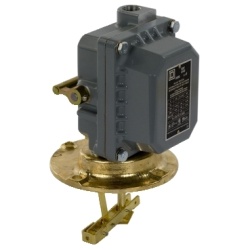
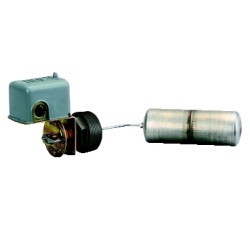
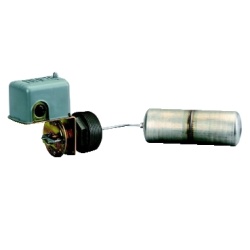
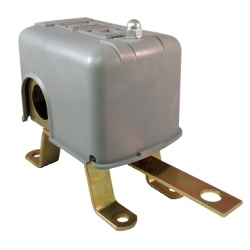
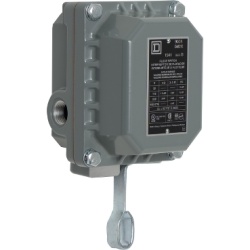
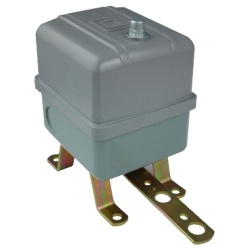
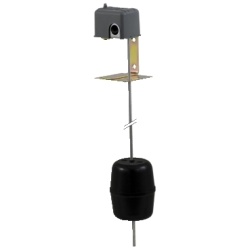
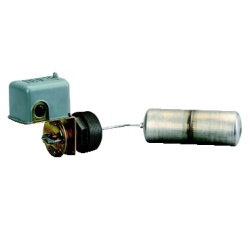
Schneider 9037EG9 Fresh Water,Corrosive Fluid,Hydraulic Oil,Sea Water Float switch
Free U.S Ground shipping
$331.22
$276.02
Normally In Stock
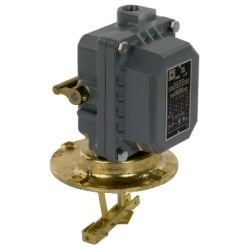
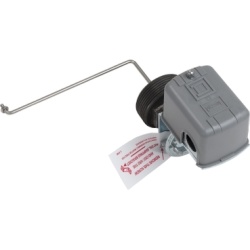
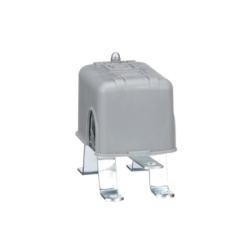
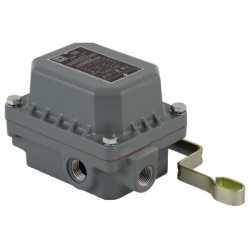
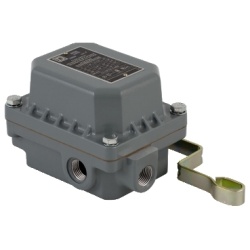
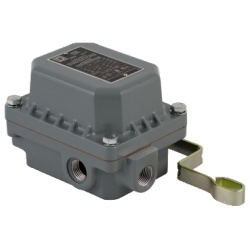
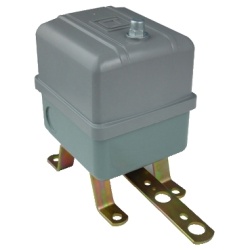
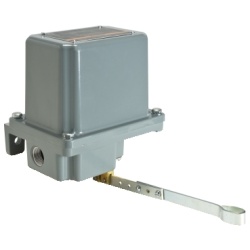
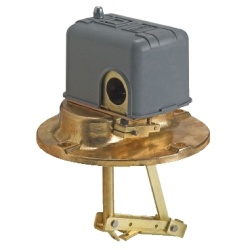
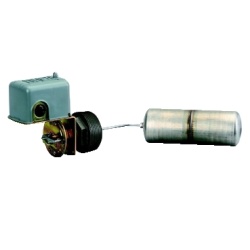
Schneider 9036GG2 Fresh Water,Corrosive Fluid,Hydraulic Oil,Sea Water Float switch
Free U.S Ground shipping
$168.43
$140.36
Normally In Stock
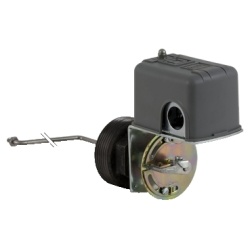
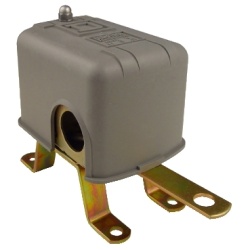
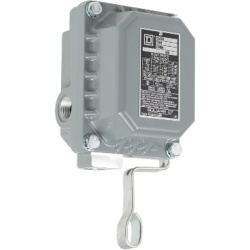
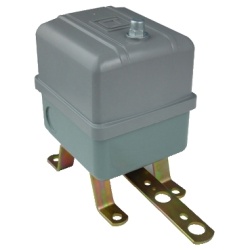
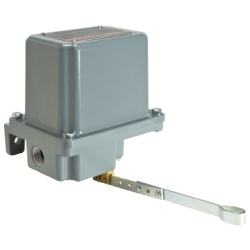
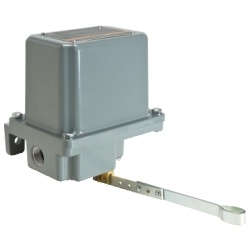
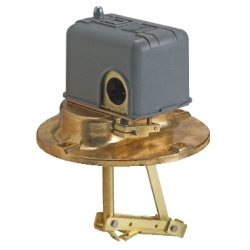
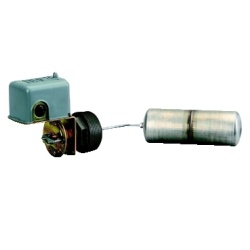
Schneider 9036GR1 Fresh Water,Corrosive Fluid,Hydraulic Oil,Sea Water Float switch
Free U.S Ground shipping
$991.82
$826.52
Normally In Stock
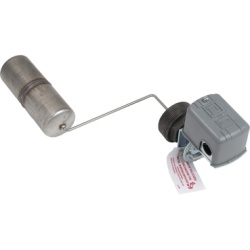
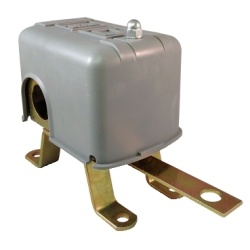
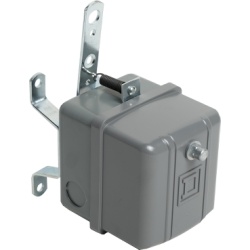
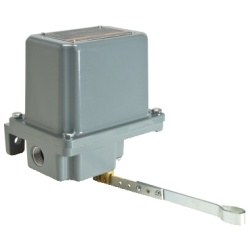
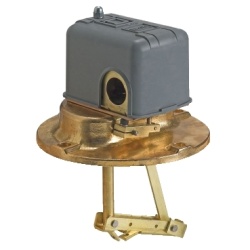
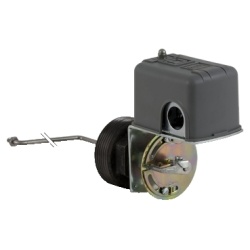
Schneider 9036GR1H Fresh Water,Corrosive Fluid,Hydraulic Oil,Sea Water Float switch
Free U.S Ground shipping
$1487.75
$1239.79
Normally In Stock
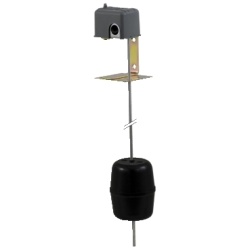
Schneider 9036GW1 Fresh Water,Corrosive Fluid,Hydraulic Oil,Sea Water Float switch
Free U.S Ground shipping
$989.96
$824.97
Normally In Stock
Schneider 9036GW1H Fresh Water,Corrosive Fluid,Hydraulic Oil,Sea Water Float switch
Free U.S Ground shipping
$1014.29
$845.24
Normally In Stock
Schneider 9036GW1R Fresh Water,Corrosive Fluid,Hydraulic Oil,Sea Water Float switch
Free U.S Ground shipping
$1510.21
$1258.51
Normally In Stock
Schneider 9037EG8 Fresh Water,Corrosive Fluid,Hydraulic Oil,Sea Water Float switch
Free U.S Ground shipping
$331.22
$276.02
Normally In Stock
Schneider 9037ER9 Fresh Water,Corrosive Fluid,Hydraulic Oil,Sea Water Float switch
Free U.S Ground shipping
$808.43
$673.69

FAQs

What are Telemecanique level switches used for?

They monitor liquid levels in tanks, vessels, and process systems to control pumps, alarms, and automated equipment.
What types of level switches does Telemecanique offer?

Telemecanique produces float, capacitive, conductive, and ultrasonic level switches for a wide range of fluids and applications.

Do Telemecanique switches include solid-state options?

Yes, capacitive, conductive, and ultrasonic models deliver non-mechanical sensing with no moving parts.

Are these switches suitable for corrosive or chemical liquids?

Many models use corrosion-resistant materials designed to handle chemicals, wastewater, and aggressive fluids.

Can Telemecanique level switches work with viscous or dirty liquids?

Yes, capacitive and conductive models perform well in viscous, contaminated, or particulate-rich fluids.

Transmitters vs Transducers

Some of the most common types of transmitters and transducers can be found on pressure instruments. Examples of these include: drop-in well pressure devices and devices that measure the pressure in a pipe or gas chamber. Transmitters and transducers can also be found on flow and speed measurement devices. 

What is the difference between transmitters and transducers? 

The main difference is the way they send data to the monitoring device, like a PLC. In terms of measurement, the transmitter will reference a measuring unit by sending a milliamp signal (such as 4-20 mA). A transducer will reference a measuring unit by sending a voltage signal, typically in volts or millivolts.  

Why have the two different types of transmission methods? 

The method will depend on the application. If the electrical connection in the application travels a short distance, a pressure transducer is the better choice. Pressure transducers are smaller with fewer active electronic components that can be upset by electromagnetic interference. Also, the voltage signals transmitted over longer distances are subject to voltage drop and signal corruption. A transmitter is better for transmitting signals over a long distance.