

APG Level Switches
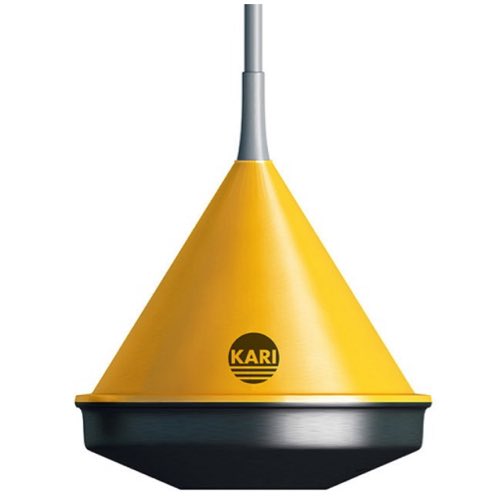
APG level switches are designed to provide dependable liquid and material level monitoring in industrial systems where reliable detection is essential for safe and efficient operation. RSP Supply offers APG level switches for use in tanks, sumps, vessels, and process systems that require consistent level indication for pump control, alarm functions, and automated process management. These devices are commonly used in water and wastewater, chemical processing, manufacturing, and other industrial environments where level conditions must be monitored closely to help prevent overflow, dry run, equipment damage, or unsafe operating conditions.
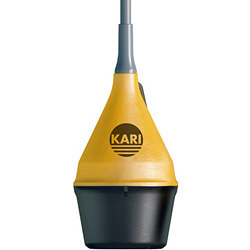
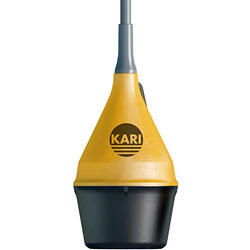
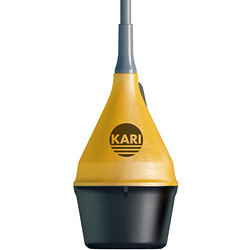
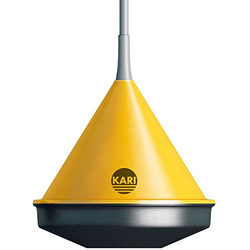
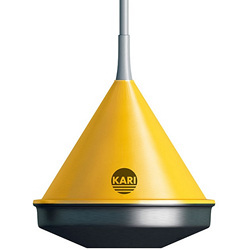
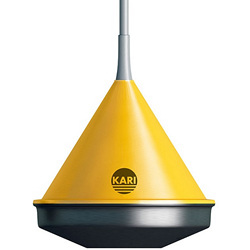
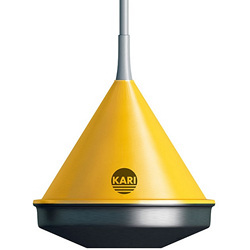
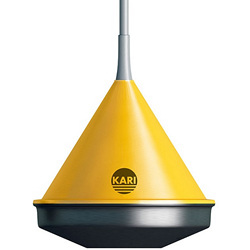
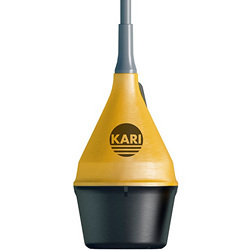
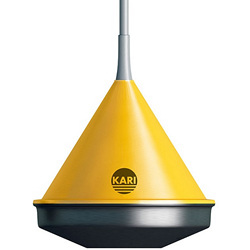
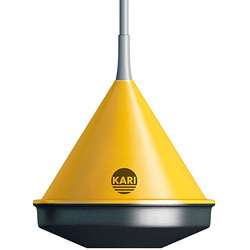
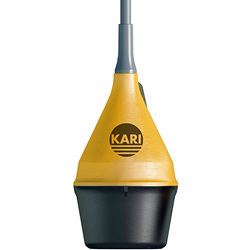
APG offers level switch technologies, including float, ultrasonic, capacitive, and vibration models to support a wide range of media and application requirements. Float switches are commonly used in wastewater, sump, and general water-level applications because of their simplicity and durability. Ultrasonic level switches provide non-contact sensing for certain liquid level applications, while capacitive and vibration models can be used in more challenging environments involving slurries, powders, corrosive liquids, or aggressive industrial media. This range of technologies helps users select the right switch type based on the material being monitored, the installation environment, and the control function required.
Many APG-level switch applications also rely on control features such as hysteresis, high-level alarm, and low-level alarm functions to improve process stability and system protection. Hysteresis helps prevent rapid cycling or chatter by creating a controlled difference between switch-on and switch-off points. High-level alarm functions are used to warn operators or trigger shutdown actions before overflow or unsafe tank conditions occur, while low-level alarm functions help protect pumps, prevent dry-run conditions, and maintain proper process levels. APG level switches are selected for applications where rugged construction, straightforward installation, and long-term reliability are important, helping support dependable monitoring and stable process control across a wide variety of liquid and material handling systems.
FAQs
Q: What are APG level switches used for?
APG level switches monitor liquid or material levels in tanks, sumps, and vessels to control pumps, alarms, and automated processes.
Q: Are APG level switches reliable in harsh environments?
Yes, many APG level switches are built with corrosion-resistant housings, sealed probes, and rugged materials for demanding industrial conditions.
Q: Can APG level switches handle chemicals or corrosive liquids?
Certain APG models are specifically designed for aggressive chemicals, wastewater, and corrosive industrial fluids.
Q: Are APG float switches suitable for wastewater?
Yes, APG float switches are widely used in wastewater, sump pump, and general water-level applications because of their durability and practical design.
Q: Can APG level switches detect solids or slurries?
Yes, vibration and capacitive models can detect slurries, powders, and some solid materials depending on the application.
Why Buy APG Level Switches from RSP Supply
RSP Supply offers APG level switches for customers who need dependable liquid and material monitoring in industrial control and process applications. With float, ultrasonic, capacitive, and vibration models available, customers can source practical solutions for wastewater systems, chemical processes, sump monitoring, tank level control, and bulk material applications.