

Parsec Cellular Antennas
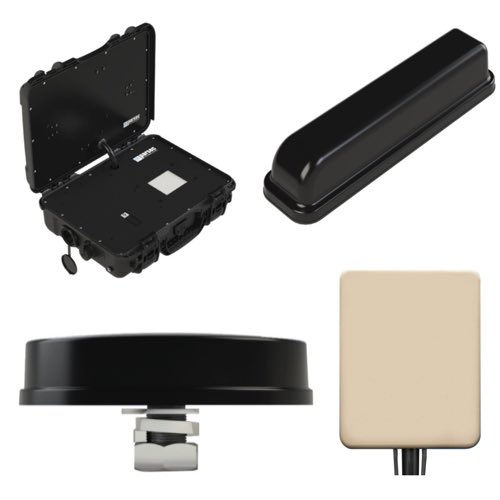
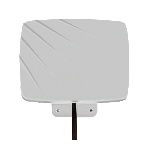
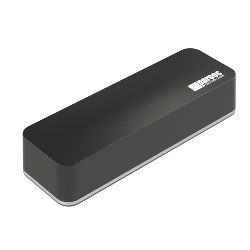
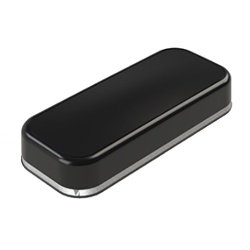
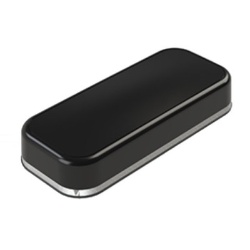
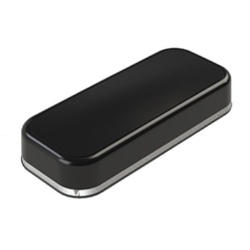
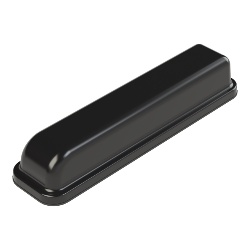
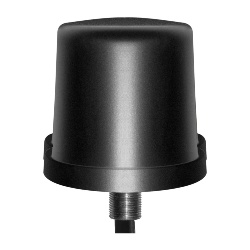
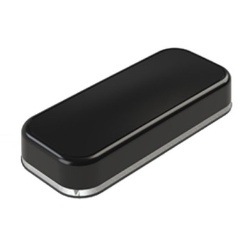
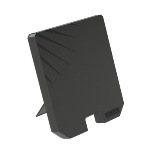
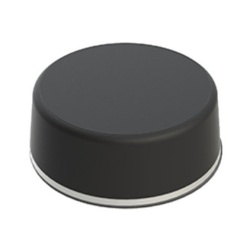
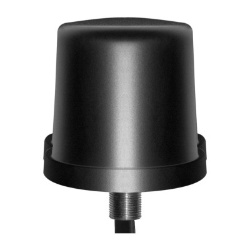
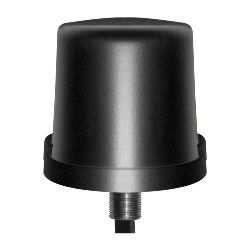
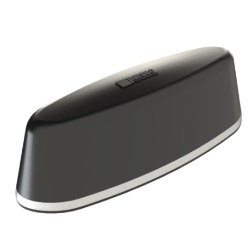
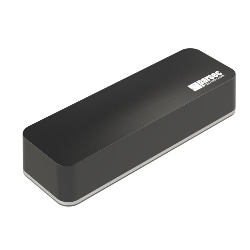
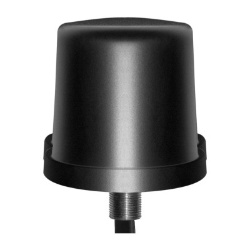
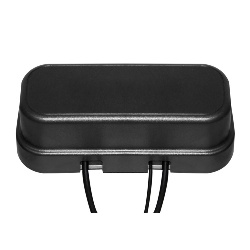
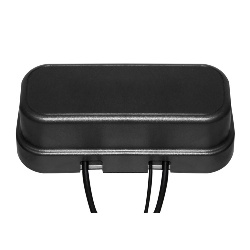
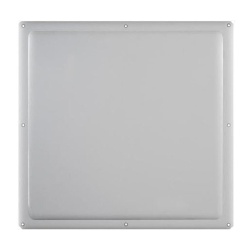
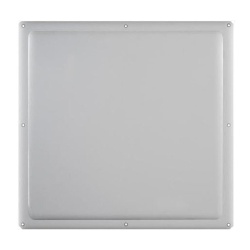
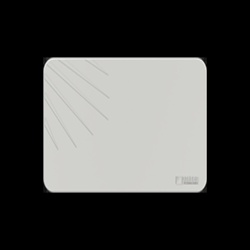
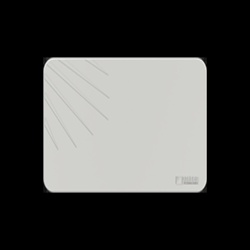
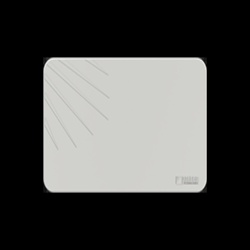
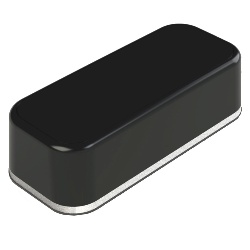
For people who require stable, reliable, and high-speed performance from their antennas, Parsec's products may be among the best options available. Using clever RF engineering and construction methods, the company has built antennas that are strong contenders for providing surprisingly good performance in very difficult environments where antenna connectivity is typically very weak or unstable.
One of the ways that Parsec improves performance is through the use of multi-element designs. RF engineers at Parsec have figured out how to use the physics of radio waves to their advantage and have also integrated a technology called MIMO into many of their antenna models. In essence, MIMO helps an antenna pull down a data stream from a nearby cell tower, and from the signal itself, the Parsec antenna obviously does a much better job at service retrieval than many other antennas on the market.
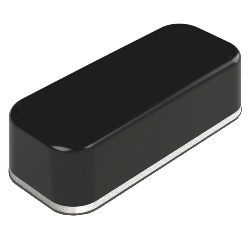
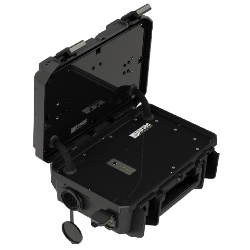
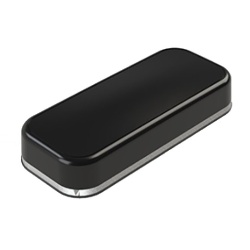
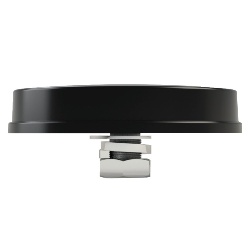
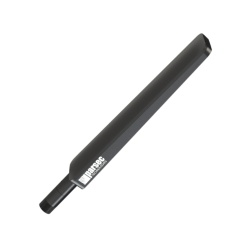
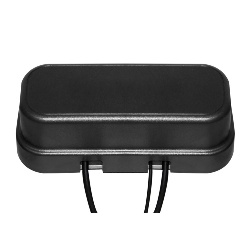
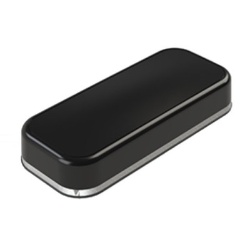
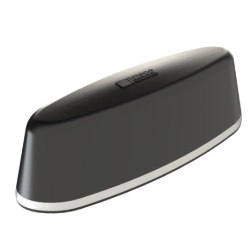
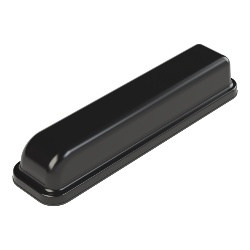
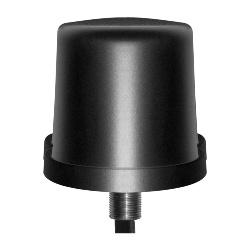
Integrators have lots of options and flexibility from Parsec's antenna lineup, which is well-suited to carry out the diversity of tasks an integrator's job may call for. Projects might demand multi-carrier redundancy for reliable service in a highly optimized system carrying several signals; they might call for something that practically disappears into the environment and can be mounted in some really odd and tight spaces; or they might need something that can withstand just about anything the working world can throw at it.






FAQs
What are Parsec cellular antennas used for?
Parsec antennas are used to improve 4G and 5G connectivity for routers, gateways, vehicles, industrial equipment, and fixed wireless installations.
Do Parsec antennas work with all major carriers?
Yes, most Parsec models are designed as carrier-agnostic and support AT&T, Verizon, T-Mobile, FirstNet, and other LTE/5G networks.
Are Parsec antennas good for weak-signal areas?
Yes, they’re engineered with high-efficiency elements and MIMO designs that help stabilize connections even in poor coverage conditions.
How do I know which Parsec antenna model I need?
It depends on your installation type, number of cellular ports, desired range, mounting style, and whether you need multi-element MIMO or GPS/Wi-Fi combinations.
Do Parsec antennas support 5G?
Many models support 5G sub-6GHz bands along with LTE, ensuring strong performance for modern high-speed networks.
Why Buy Parsec Cellular Antennas from RSP Supply
RSP Supply offers Parsec cellular antennas designed for dependable 4G and 5G performance in demanding industrial and mobile applications. Our selection supports reliable connectivity where durability and signal integrity are critical.