

Rittal Hand Tools
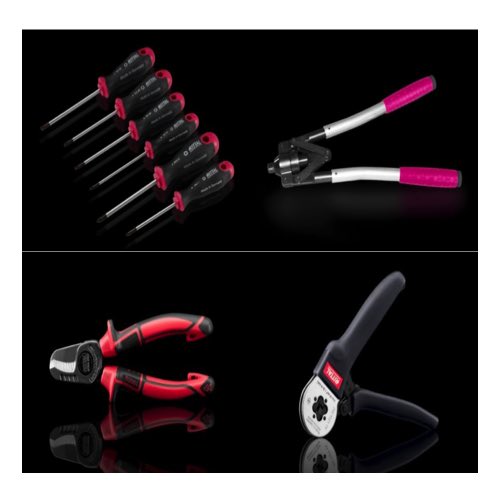
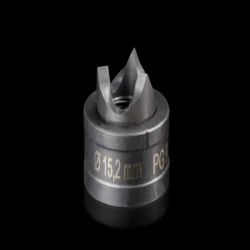
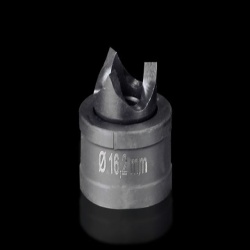
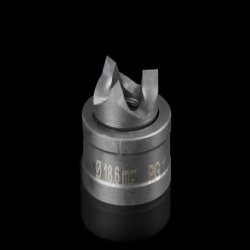
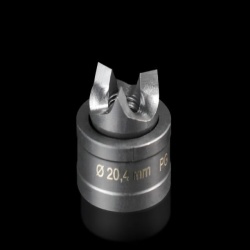
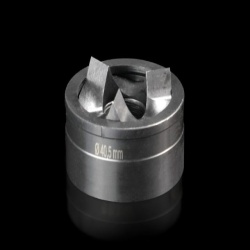
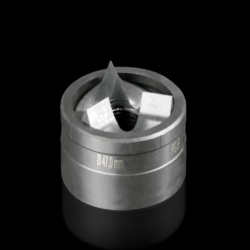
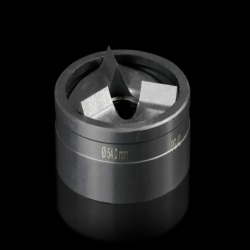
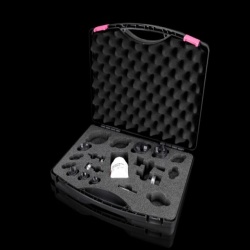
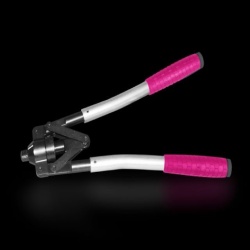
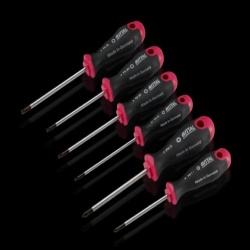
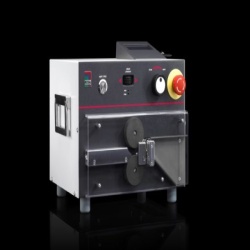
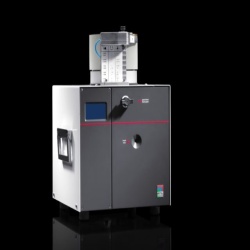
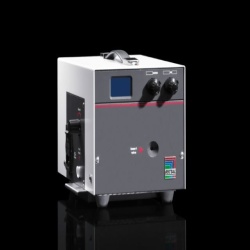
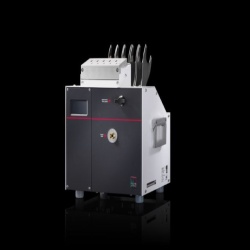
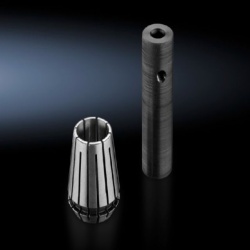
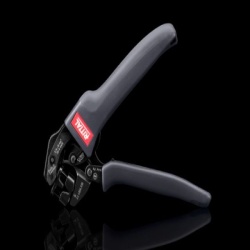
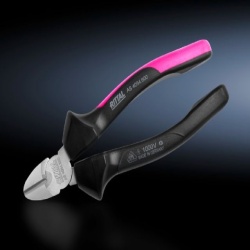
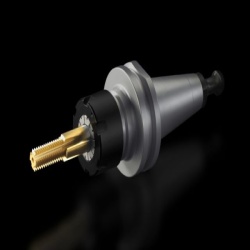
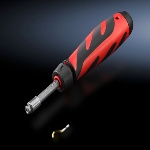
Rittal produces hand tools of precision and efficiency for the assembly of all parts of its modular electrical enclosures, control panels, and industrial systems. Rittal engineers support the same high standard found in Rittal enclosures and control systems when developing hand tools. Rittal's hand tools also are built for a variety of different functions, offering not just pliers and screwdrivers, but also crimping, bending, and punching tools designed to fabricate and customize the components of Rittal's enclosures.
Rittal's hand tools are trustworthy and reliable modern solutions for today's cabinet and electrical assembly professionals. They are sturdy and well-designed, promoting safe, efficient, and consistent use. Each tool is a robust, reliable solution for tasks like cabinet assembly, cable routing, and custom modifications.stems allow technicians to cut and prepare cables, ducts, and panels with minimal effort and maximum accuracy. These tools are built to integrate seamlessly with Rittal’s enclosure systems, making them a natural choice for panel builders and technicians who value compatibility and professional-grade performance.


FAQs
What kinds of hand tools does Rittal offer?
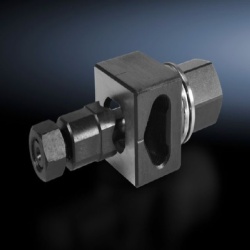
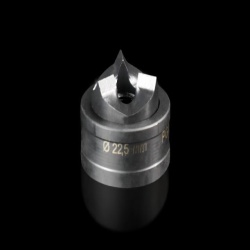
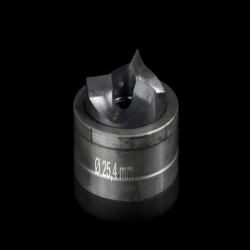
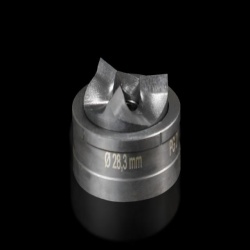
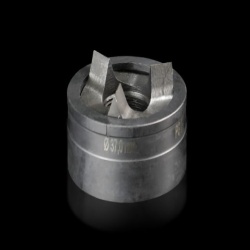
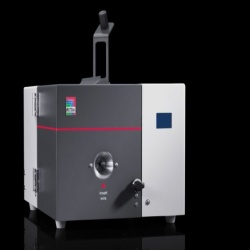
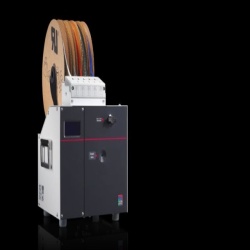
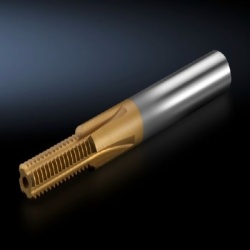
Rittal offers hand tools covering screwdrivers, pliers for cutting/stripping/crimping, hydraulic punches, manual cutting tools, and other precision tools aimed at industrial enclosure, wiring and panel-build work.
Can Rittal hand tools handle tight spaces or complex enclosure assemblies?
Yes. Rittal lists tools such as screwdrivers, pliers and manual cutting tools designed for enclosure manufacture and wiring, which implies suitability for panel work and confined assembly spaces.
Are Rittal hand tools suited for both field and workshop use?
Yes. The product descriptions reference both “industry and trade use” and wire processing in control engineering, which covers both workshop/panel-build and field wiring scenarios.
How do Rittal hand tools support efficiency and ergonomics in panel building or wiring workflows?
Rittal tools highlight ergonomic handle designs, high-quality materials and integration with wiring and enclosure systems, all contributing to faster, more reliable work with less user fatigue.
How do I determine the right Rittal tool for a specific wire processing task (for example crimping or stripping)?
You should refer to the tool’s specifications such as cable or conductor cross-section, insulation type, required crimp or strip length, and compare with Rittal’s wire processing tool categories (manual tools, wire end ferrules) for compatibility.
Why Buy Rittal Hand Tools from RSP Supply
RSP Supply offers Rittal hand tools engineered for precise, reliable enclosure and panel assembly work. Our selection supports professional electricians and panel builders who require tools designed for compatibility with Rittal systems and consistent industrial performance.