
3M Software & Smart Accessories
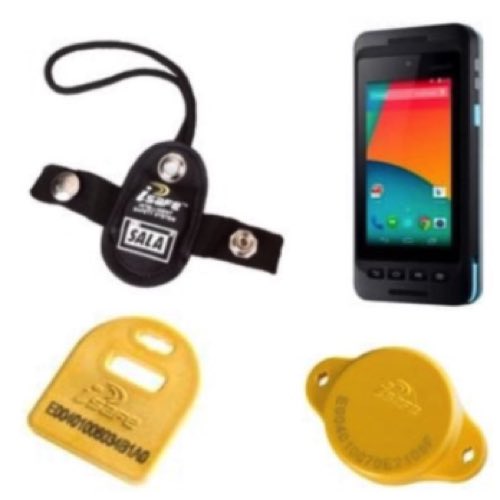
3M software and smart accessories include RFID tags, handheld RFID readers, fixed RFID readers, and connected safety tools with asset management and inspection software integration for real-time asset tracking, inventory management, equipment monitoring, and workplace compliance in industrial, commercial, manufacturing, healthcare, and logistics environments. 3M software and smart accessories are designed to improve safety, compliance, and efficiency in industrial, commercial, and manufacturing environments. These connected solutions use digital technology to help teams track assets, monitor conditions, and maintain visibility across operations. 3M RFID systems are central to this product line, offering real-time tracking and inventory management without the need for manual barcode scans. RFID tags communicate wirelessly with handheld or fixed readers, providing instant access to the location and history of tools, equipment, and materials for faster, more accurate audits and complete transparency for safety and compliance management.
Handheld RFID readers are used for spot checks and mobile inspections, while fixed readers at entry points continuously monitor asset movement. Both connect to centralized software dashboards, allowing managers to see up-to-date asset locations and service records from one screen. The system integrates directly with asset management and inspection software, simplifying maintenance scheduling, tracking usage, and verifying compliance with safety standards. RFID systems can read multiple tags simultaneously, do not require line of sight or visual contact, and are resistant to dirt, light, and physical damage, making them faster and more reliable than barcode systems. 3M RFID tags are available in passive and active configurations. Passive tags draw energy from the reader signal, making them lightweight and affordable with shorter read ranges for general asset tracking applications. Active tags have built-in batteries, allowing longer-range and real-time tracking for high-value equipment and safety-critical applications. Built for industrial durability, 3M RFID tags resist heat, chemicals, impact, and UV exposure, maintaining performance in challenging indoor and outdoor environments, helping reduce downtime, increase accountability, and streamline operations across facilities of all sizes.
FAQs
Q: What are 3M RFID tags and readers used for?
3M RFID tags store data about assets, and readers retrieve that data wirelessly. They’re used for asset tracking, equipment monitoring, and inventory management in manufacturing, healthcare, and logistics.
Q: How does RFID technology work?
RFID uses electromagnetic fields to transfer data between a tag and a reader. The reader powers the tag, which sends back stored identification data - no line of sight required.
Q: What’s the difference between active and passive RFID tags?
Passive tags draw energy from the reader’s signal, making them lightweight and affordable with shorter read ranges. Active tags have built-in batteries, allowing longer-range and real-time tracking.
Q: What are the advantages of RFID over barcode systems?
RFID systems can read multiple tags simultaneously, don’t need visual contact, and are resistant to dirt, light, and physical damage - making them faster and more reliable than barcodes.
Q: Are 3M RFID tags suitable for industrial environments?
Yes. 3M RFID tags are built to withstand heat, chemicals, vibration, and moisture. They maintain performance in extreme indoor and outdoor conditions, ensuring reliable long-term tracking.
Why Buy from RSP Supply
RSP Supply is an authorized distributor of 3M software and smart accessories, offering a full range of RFID tags, handheld RFID readers, fixed readers, and connected safety tools for asset tracking, inventory management, equipment monitoring, and workplace compliance in industrial, commercial, manufacturing, healthcare, and logistics environments. Our products ship quickly and are backed by expert support to help you select and integrate the right 3M connected safety solutions. With RSP Supply and 3M, you can build smarter, safer, and more efficient workplaces.