
Sola AC Line Surge Protection
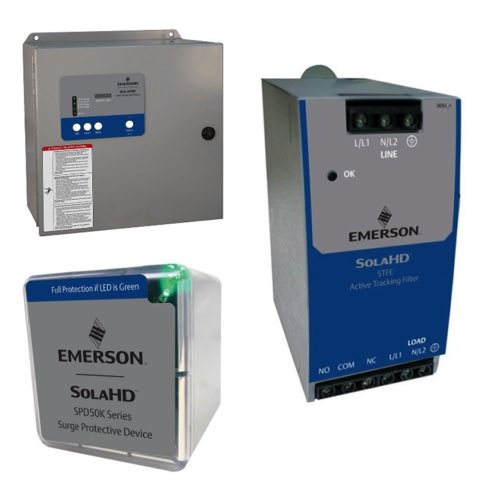
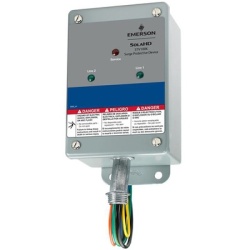
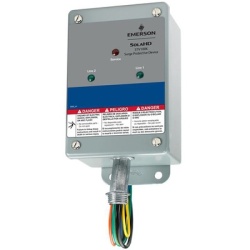
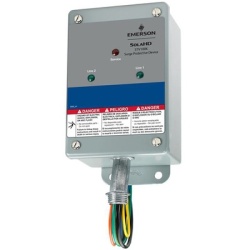
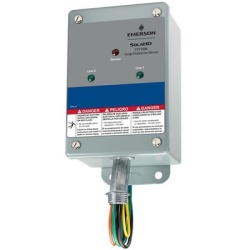
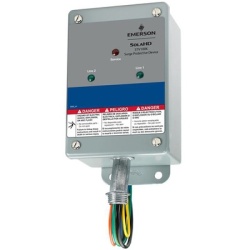
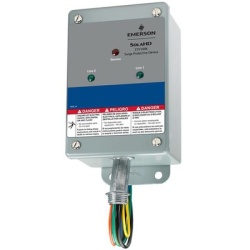
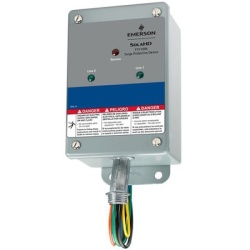
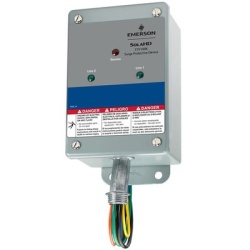
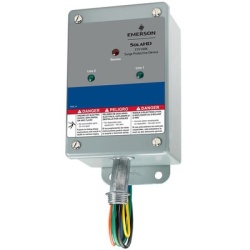
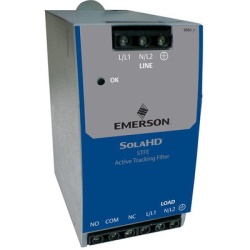
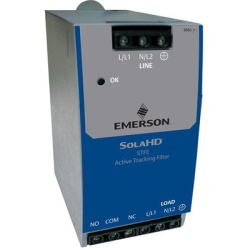
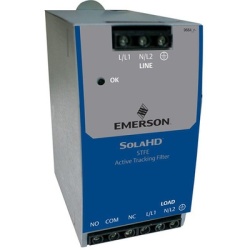
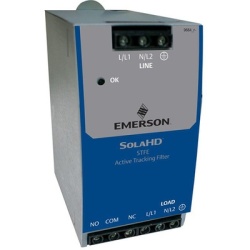
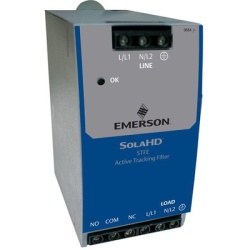
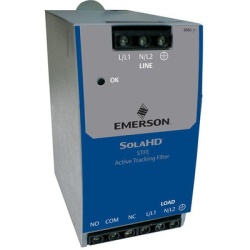
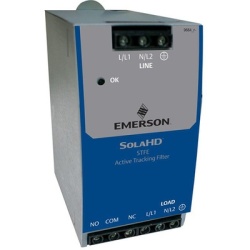
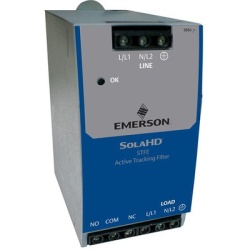
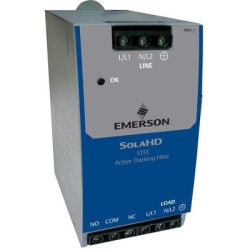
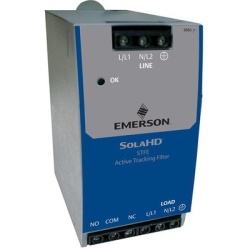
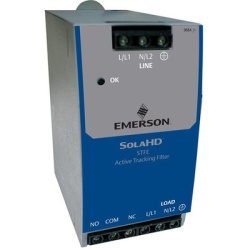
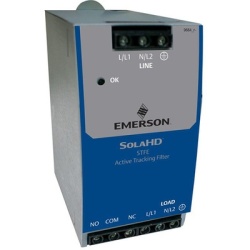
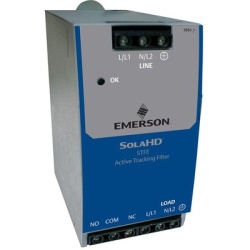
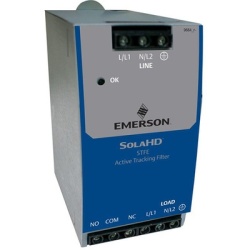
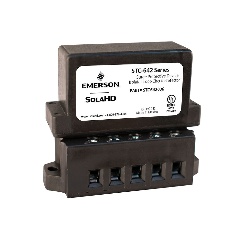
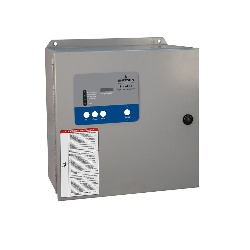
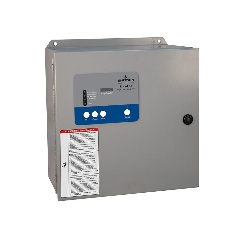
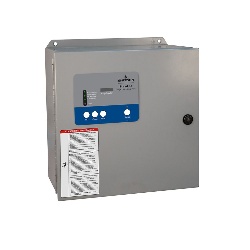
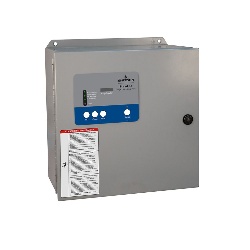
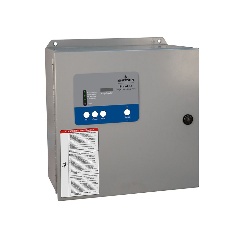
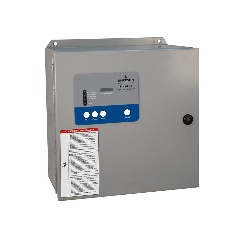
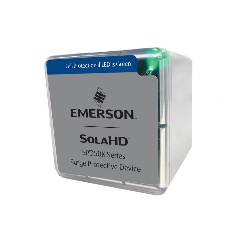
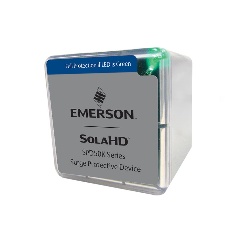
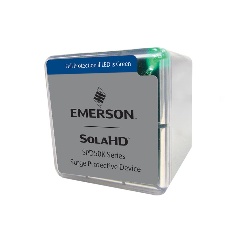
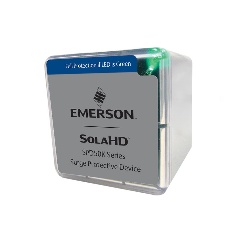
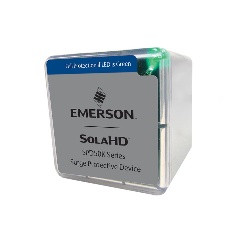
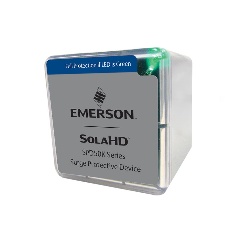
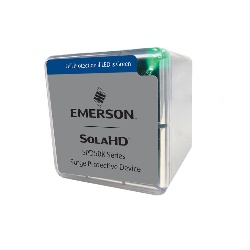
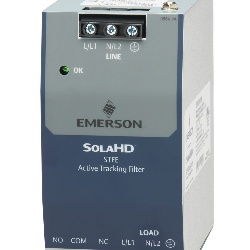
Sola AC line surge protection devices are designed to safeguard industrial and automation systems from transient overvoltages that can damage sensitive electrical equipment. Power surges commonly result from lightning strikes, utility switching operations, or internal load changes such as motor starts and transformer switching. Without proper protection, these disturbances can disrupt system operation, degrade components, and lead to unplanned downtime.
Sola surge protectors function by detecting sudden increases in voltage and diverting excess energy safely to ground before it reaches connected equipment. This protection is especially important for automation systems that depend on stable power quality, including PLCs, sensors, HMIs, and control panels. By limiting surge energy, these devices help preserve the integrity and lifespan of critical electrical infrastructure.
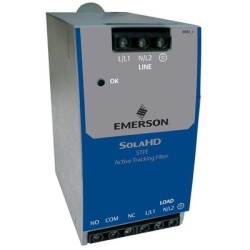
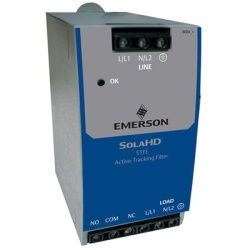
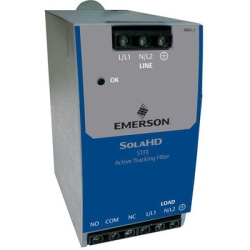
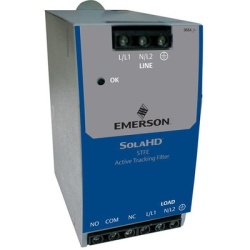
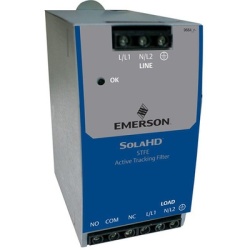
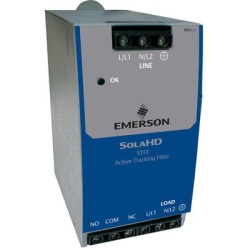
The Sola surge protection product line includes hardwired and modular units suitable for both single-phase and three-phase applications. These devices utilize metal oxide varistors (MOVs) and hybrid circuitry engineered for rapid response times, often in microseconds. Many models comply with UL 1449 and IEEE standards and feature diagnostic indicators or status monitoring, allowing maintenance teams to identify protection issues early and maintain reliable system operation.
FAQs
Q: What causes power surges in industrial electrical systems?
Power surges can be caused by lightning strikes, utility grid switching, motor starts, transformer energization, and internal equipment switching. Even distant lightning strikes can induce surges through underground conductors.
Q: How do Sola AC line surge protectors work?
Sola surge protectors monitor incoming voltage and divert excess energy to ground when voltage exceeds safe operating limits, preventing damaging transients from reaching downstream equipment.
Q: What types of systems can Sola surge protectors be used on?
Sola AC line surge protectors are available for single-phase and three-phase systems and are commonly used in industrial control panels, automation systems, and electrical distribution equipment.
Q: What standards do Sola surge protection devices meet?
Many Sola surge protectors are designed to meet UL 1449 and IEEE standards, ensuring reliable performance and compliance in industrial electrical applications.
Q: What is tiered surge protection?
Tiered surge protection uses multiple layers of protection. Tier 1 is installed at the main service entrance, Tier 2 protects distribution panels or control panels, and Tier 3 provides localized protection for individual devices or instruments.
Why Buy Sola AC Line Surge Protection from RSP Supply
RSP Supply offers a comprehensive selection of Sola AC line surge protection devices designed for industrial and automation environments. Our product offerings support compliance with recognized electrical standards while helping protect critical equipment from damaging power disturbances. Customers rely on RSP Supply for dependable sourcing, technical product knowledge, and industrial-grade solutions that support long-term system reliability.