

Moxa Ethernet Switches
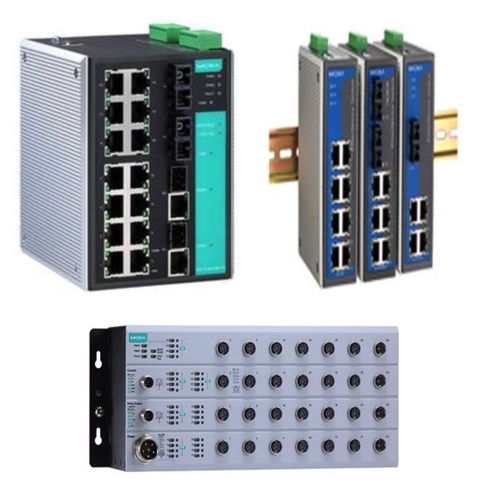
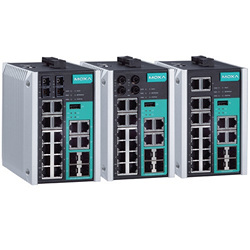
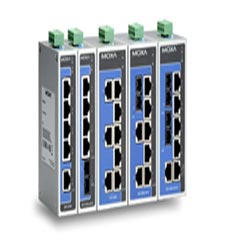
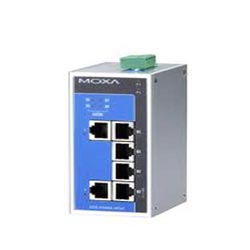
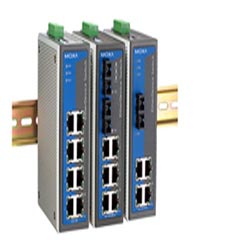
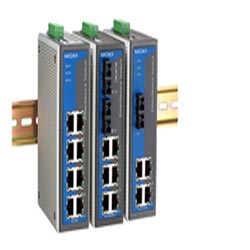
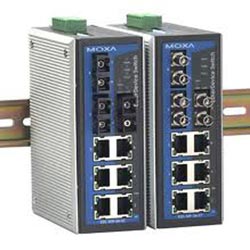
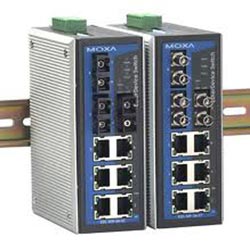
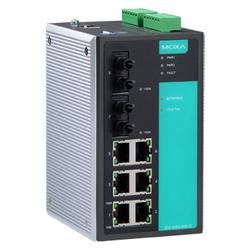
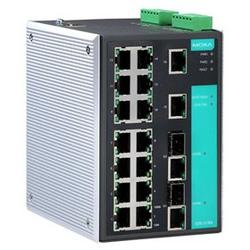
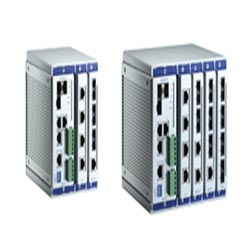
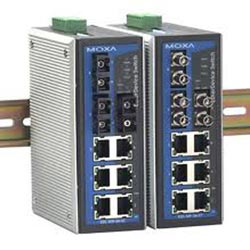
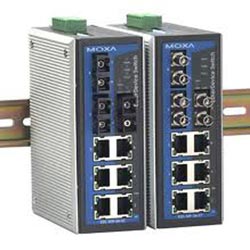
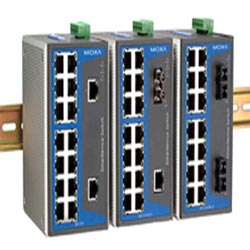
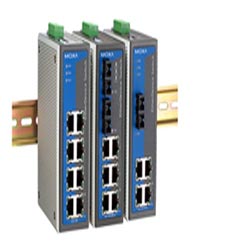
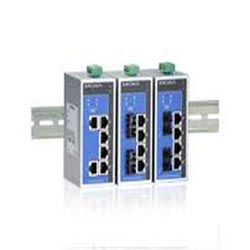
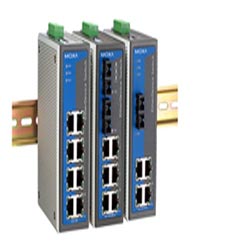
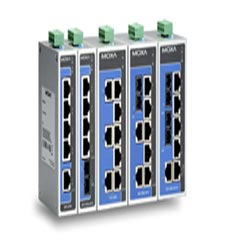
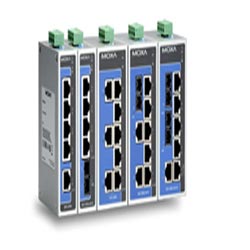
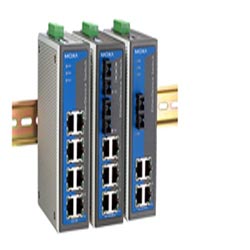
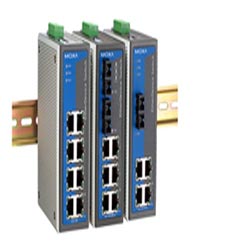
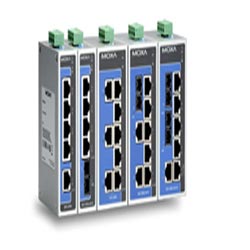
RSP Supply carries a full line of Moxa Ethernet switches engineered for industrial networking, automation, and control systems. Designed for high performance and reliability, Moxa switches provide secure, stable connectivity in harsh environments - from factory floors and energy facilities to transportation and smart infrastructure.
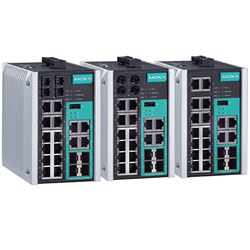
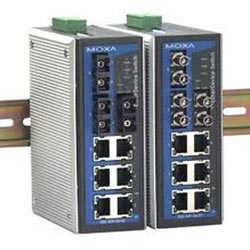
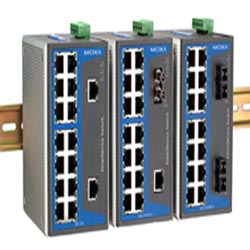
Moxa managed switches offer advanced Layer 2 and Layer 3 network control, allowing users to configure VLANs, monitor network traffic, and deploy redundancy protocols for uninterrupted communication. These switches also support network recovery technologies such as Turbo Ring and Turbo Chain, enabling sub-20ms recovery times to maintain uptime in critical applications.
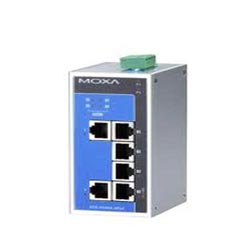
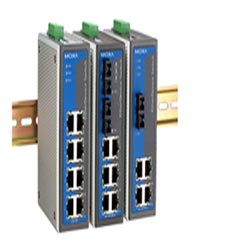
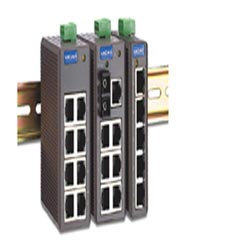
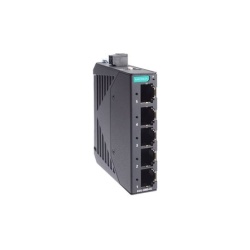
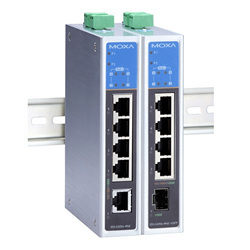
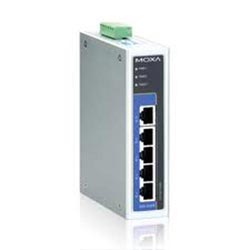
For straightforward connectivity, Moxa unmanaged switches deliver true plug-and-play simplicity, requiring no configuration. Available in plastic and rugged metal housings, they’re ideal for light-duty commercial systems or extreme industrial environments where vibration, heat, or moisture are concerns. With PoE/PoE+/PoE++ models, wide temperature tolerances, and EMI resistance, Moxa Ethernet switches ensure continuous, secure communication in mission-critical networks. Their intuitive configuration tools and built-in diagnostics simplify deployment, management, and maintenance; keeping operations running efficiently and reliably.

FAQs
Q: Do Moxa Ethernet switches support network redundancy?
Yes. Moxa Ethernet switches include advanced redundancy protocols like Turbo Ring and Turbo Chain, ensuring near-instant recovery and continuous data flow during network failures.
Q: What’s the difference between Moxa managed and unmanaged switches?
Managed switches provide advanced control, VLAN configuration, and network monitoring features, while unmanaged switches offer plug-and-play connectivity with no setup required.
Q: Do Moxa switches include PoE capabilities?
Yes. Moxa offers PoE, PoE+, and PoE++ switch models with multiple power outputs to support cameras, sensors, and wireless access points in industrial applications.
Q: What configuration interfaces are available on Moxa managed switches?
Managed switches can be configured using web GUI, CLI (via serial or SSH/Telnet), or USB console interfaces, depending on the model.
Q: Where can I access firmware, software, and documentation for Moxa switches?
You can find firmware updates, manuals, and software tools in the Moxa Support Portal, which includes a product knowledge base and security resources.
Why Buy Moxa Ethernet Switches from RSP Supply
At RSP Supply, we make it easy to find and deploy the right Moxa networking solution for your industrial systems. With same-day shipping, competitive pricing, and a team of network automation experts, we help you build and maintain high-performance industrial Ethernet networks with confidence.
Our stocked inventory includes managed, unmanaged, and PoE-enabled models, ready to ship for fast turnaround and project continuity. Choose RSP Supply for trusted industrial networking hardware backed by expertise and service that keeps your operations online.