

SCADAPack 470i
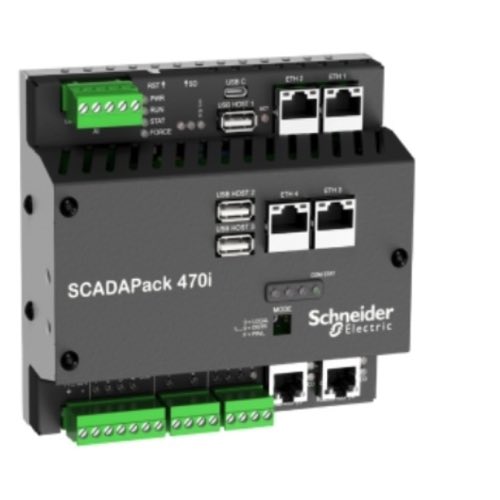
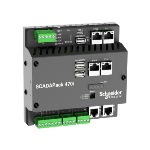
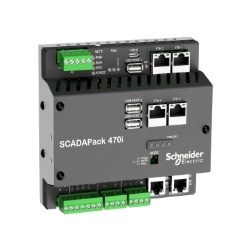
The SCADAPack 470i is a compact remote terminal unit (RTU) designed for SCADA applications that require reliable performance in demanding field environments. Its rugged construction allows it to operate effectively in conditions involving temperature fluctuations, dust, moisture, and other environmental challenges commonly found in remote installations.
Designed to integrate easily into existing systems, the SCADAPack 470i supports a wide range of industry-standard communication protocols. This flexibility enables seamless communication with PLCs, sensors, HMIs, and other intelligent devices across SCADA networks. The controller can monitor, log, and control numerous field points, supporting both simple monitoring tasks and more complex automation strategies.
Configuration and management of the SCADAPack 470i are supported through dedicated software tools that simplify setup, diagnostics, and system maintenance. These tools allow users to customize control logic, monitor performance, and troubleshoot issues efficiently, helping ensure dependable long-term operation across distributed SCADA systems.
FAQs
Q: What is the SCADAPack 470i used for?
The SCADAPack 470i is used as a remote terminal unit in SCADA systems to monitor, log, and control field devices such as sensors, valves, and other automation equipment in remote or industrial environments.
Q: What environments is the SCADAPack 470i designed for?
The SCADAPack 470i is designed for harsh field conditions, including environments with temperature variations, dust, and moisture that may impact standard control equipment.
Q: Does the SCADAPack 470i support multiple communication protocols?
Yes, the SCADAPack 470i supports a variety of industry-standard communication protocols, allowing it to integrate with diverse SCADA systems, PLCs, and field devices.
Q: Can the SCADAPack 470i be used for data logging applications?
Yes, the SCADAPack 470i is commonly used for data logging, capturing, and storing process data from remote locations for analysis and reporting.
Q: What role does the SCADAPack 470i play in a SCADA system?
In a SCADA system, the SCADAPack 470i acts as the interface between field devices and supervisory software, collecting data, executing control logic, and communicating information to HMIs and central systems.
Why Buy SCADAPack 470i RTUs from RSP Supply
RSP Supply provides SCADAPack 470i RTUs for industrial and automation applications where reliability and environmental durability are critical. Our selection supports a wide range of SCADA system requirements, from remote monitoring to advanced control and data acquisition. Customers choose RSP Supply for dependable industrial automation components, technical expertise, and consistent product availability for demanding field deployments.