

Pump Panel Starters
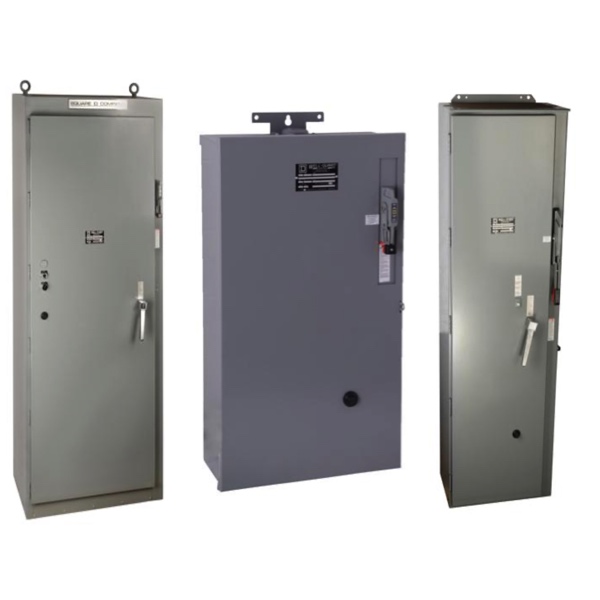
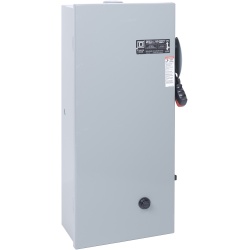
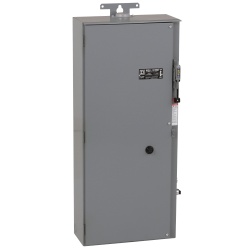
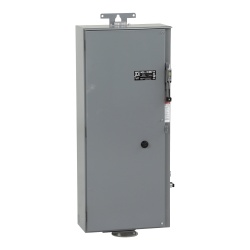
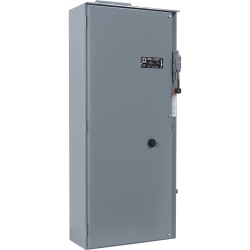
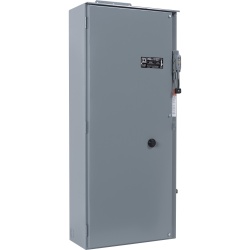
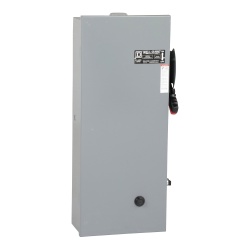
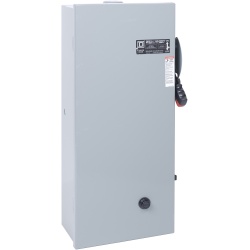
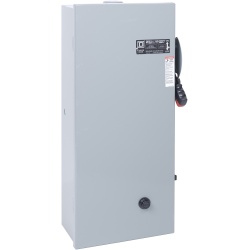
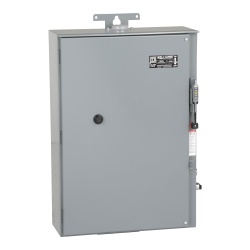
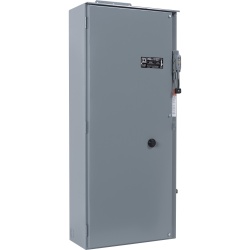
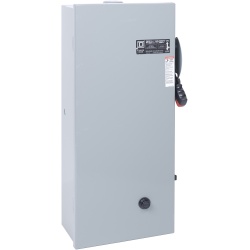
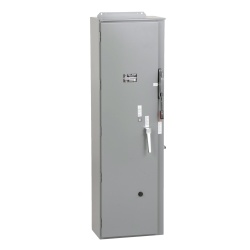
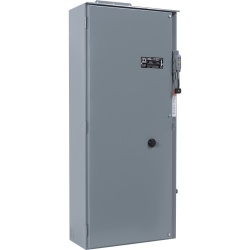
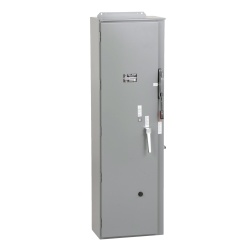
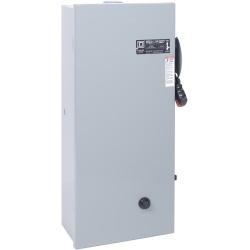
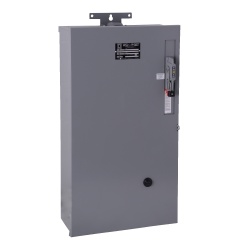
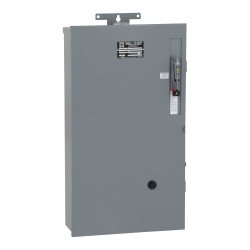
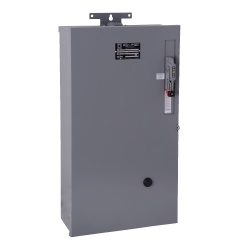
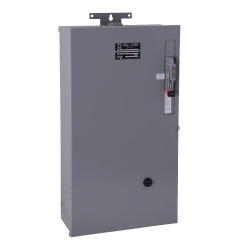
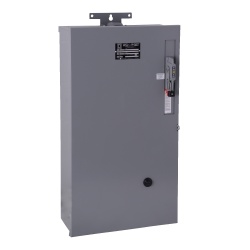
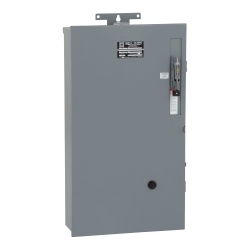
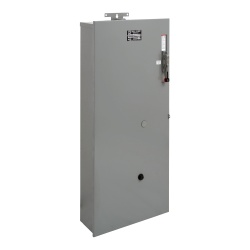
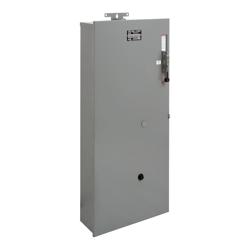
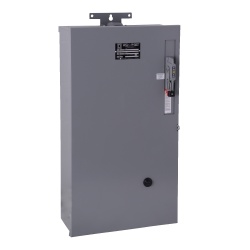
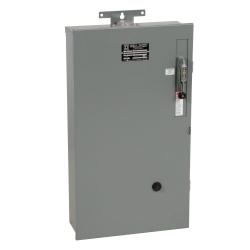
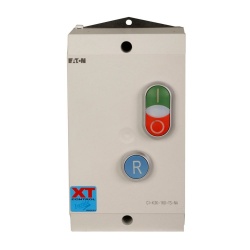
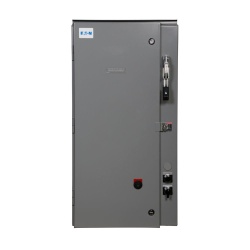
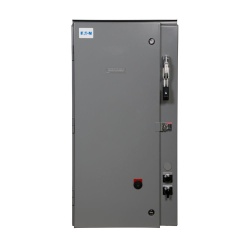
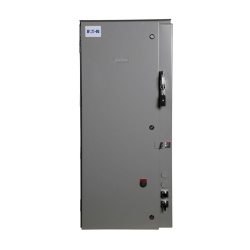
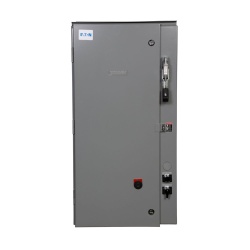
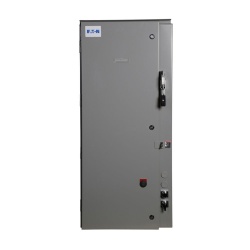
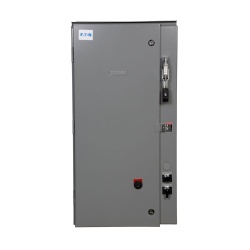
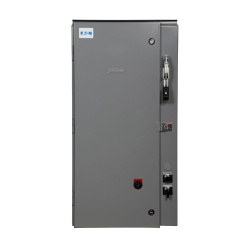
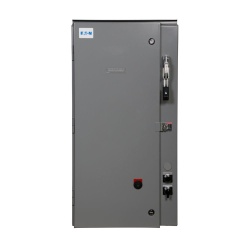
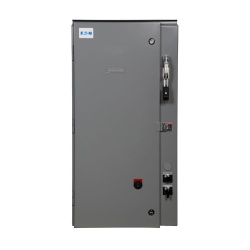
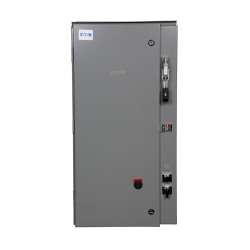
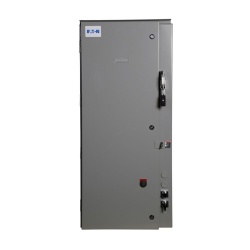
Pump panel starters are integrated motor control assemblies designed to start, stop, and protect pump motors in a wide range of applications. RSP Supply offers pump panel starters in NEMA sizes 1 through 6 from Schneider Electric, providing dependable motor control solutions for irrigation systems, industrial processes, commercial facilities, and fluid handling operations. These assemblies combine multiple motor control and protection components into a single, organized panel for efficient installation and operation.
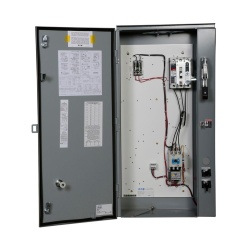
A typical pump panel starter may include a contactor, overload relay, circuit breaker, and starter coil matched to the motor’s voltage requirements. Some configurations also incorporate soft starters to limit inrush current during startup, helping reduce mechanical stress and electrical strain on the motor. Together, these components work to protect the pump motor from overloads, short circuits, voltage irregularities, and prolonged overheating conditions.
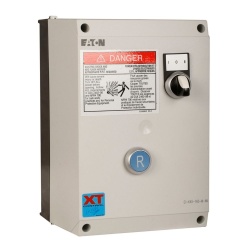
Pump panel starters are available in single-phase and three-phase configurations to accommodate different motor types, horsepower ratings, and system demands. Many units are enclosed to protect internal components from dust, moisture, and other environmental factors. Options such as automatic operation, phase-specific protection, and application-focused designs allow pump panel starters to be tailored to the operational needs of specific systems while maintaining compliance with industry standards.e pumps are essential for fluid handling.




FAQs
Q: What is a pump panel starter used for?
Pump panel starters are used to control and protect pump motors by managing motor startup, operation, and shutdown while providing protection against electrical faults and overload conditions.
Q: What components are commonly included in a pump panel starter?
Common components include a contactor, overload relay, circuit breaker, starter coil, and in some cases a soft starter or combination starter, depending on the application.
Q: What NEMA sizes are available for pump panel starters?
Pump panel starters are available in NEMA sizes 1 through 6, allowing them to be matched to different motor horsepower ratings and electrical requirements.
Q: Are pump panel starters available for single-phase and three-phase motors?
Yes, pump panel starters are offered in both single-phase and three-phase configurations to support a wide range of pump motor types.
Q: Why is proper sizing important for pump panel starters?
Proper sizing ensures the starter can safely handle the motor’s current and operating conditions, reducing the risk of nuisance tripping, overheating, or motor damage.
Why Buy Pump Panel Starters from RSP Supply
RSP Supply provides a comprehensive selection of pump panel starters from trusted manufacturers such as Schneider Electric. Our offerings cover NEMA sizes 1 through 6 and support a wide range of pump control applications. Customers rely on RSP Supply for dependable industrial components, consistent product availability, and knowledgeable support to help ensure reliable pump motor operation and long-term system performance.