
Sensor Actuator Terminal Blocks
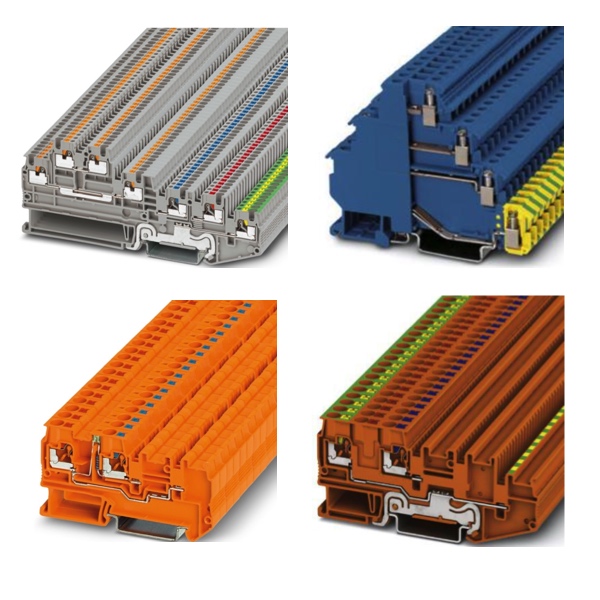
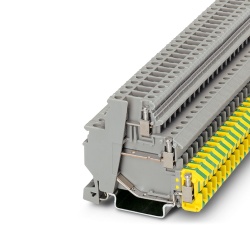
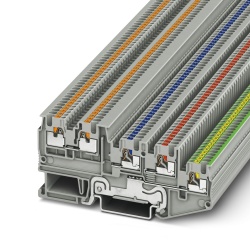
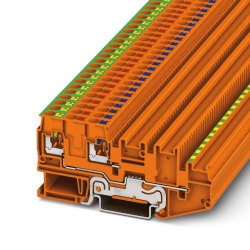
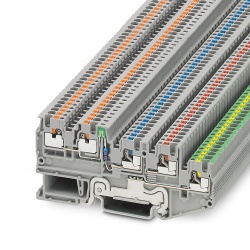
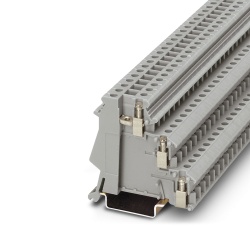
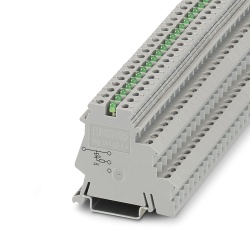
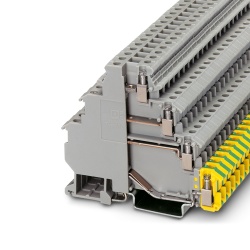
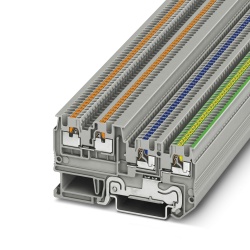
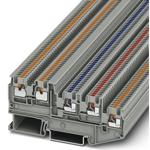
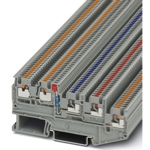
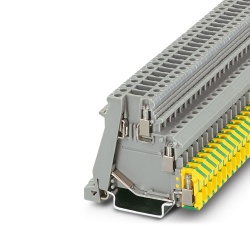
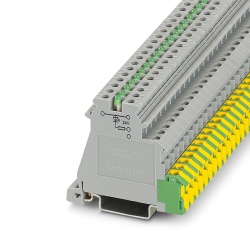
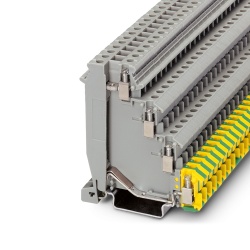
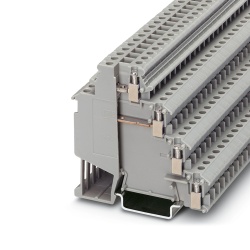
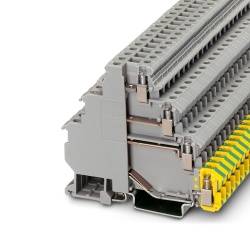
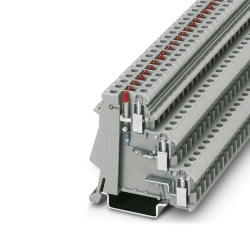
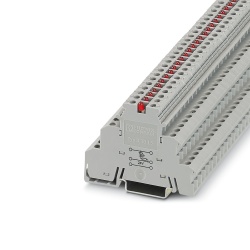
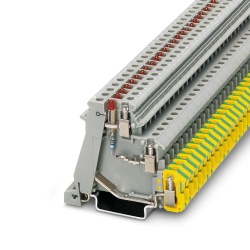
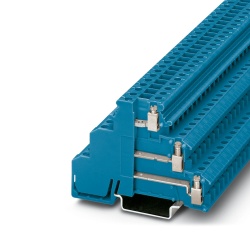
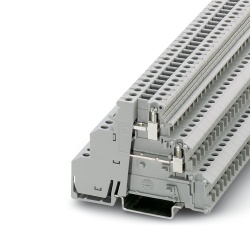
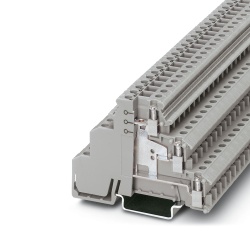
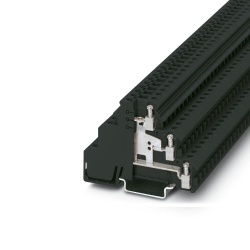
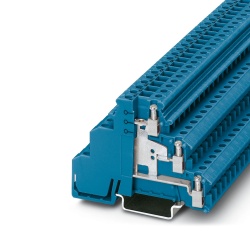
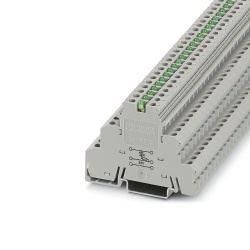
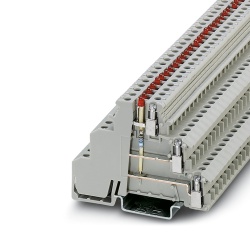
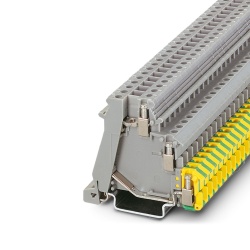
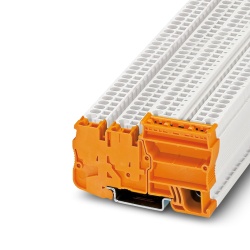
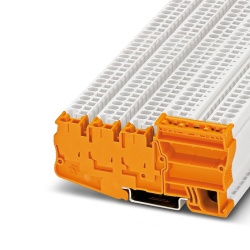
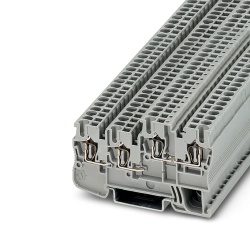
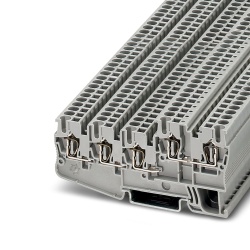
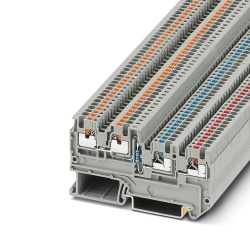
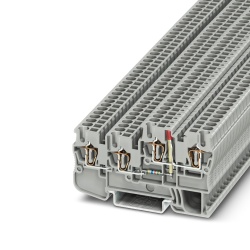
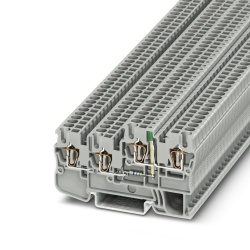
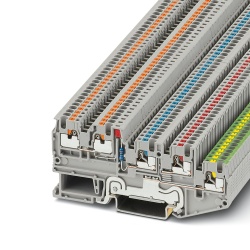
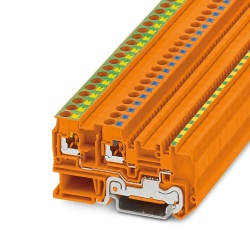
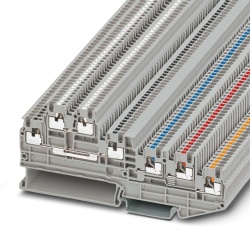
Sensor actuator terminal blocks are designed to simplify wiring and improve organization in automation systems where multiple sensors and actuators connect to a central control platform. As control cabinets have become more complex, these terminal blocks provide a practical way to combine and route field signals into modern machine control systems while supporting clear, structured panel layouts.
A key advantage of sensor actuator terminal blocks is their ability to manage multiple wired connections for both input and output devices within a compact terminal arrangement. This helps reduce installation time, minimize wiring errors, and support reliable signal transmission across the control system. By consolidating connections efficiently, they also help reduce the amount of space required inside the control cabinet.
In day-to-day operation, sensor actuator terminal blocks support organized, clearly identified wiring that improves serviceability and troubleshooting. Each connection point provides distinct signal separation, making circuits easier to test, maintain, and modify as system requirements change. RSP Supply offers sensor actuator terminal blocks from trusted manufacturers such as Phoenix Contact for automation and control applications where dependable signal management and cabinet organization are essential.









FAQs
Q: What are sensor actuator terminal blocks used for?
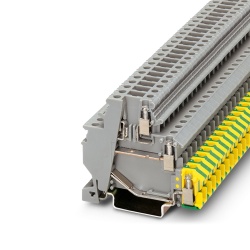
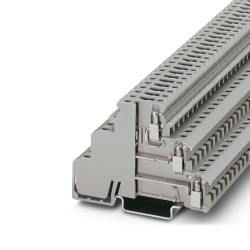
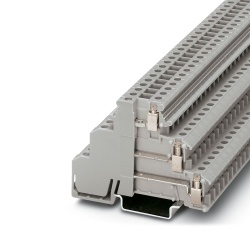
Sensor actuator terminal blocks are used to connect and organize wiring between field devices, such as sensors and actuators, and industrial control systems.
Q: How do sensor actuator terminal blocks improve control panel wiring?
They help create a structured wiring layout, reduce clutter, and make it easier to identify, route, and service signal connections inside the control cabinet.
Q: Can sensor actuator terminal blocks reduce installation time?
Yes, by consolidating multiple connections into a compact and organized format, these terminal blocks help streamline installation and reduce the chance of wiring mistakes.
Q: Why are these terminal blocks useful in automation systems?
Automation systems often include many field devices that must connect reliably to the control system. Sensor actuator terminal blocks simplify those connections and support dependable signal transmission.
Q: Do sensor actuator terminal blocks help with troubleshooting?
Yes, their organized design and clear signal separation make it easier to test circuits, identify issues, and perform maintenance or future modifications.
Why Buy Sensor Actuator Terminal Blocks from RSP Supply
RSP Supply offers sensor actuator terminal blocks for industrial automation and control applications that require organized, dependable field wiring. Our selection supports efficient panel design, reliable signal routing, and improved serviceability in modern control cabinets. Customers rely on RSP Supply for technical knowledge, consistent product availability, and industrial components suited for demanding electrical and automation environments.