

Eaton Capacitors
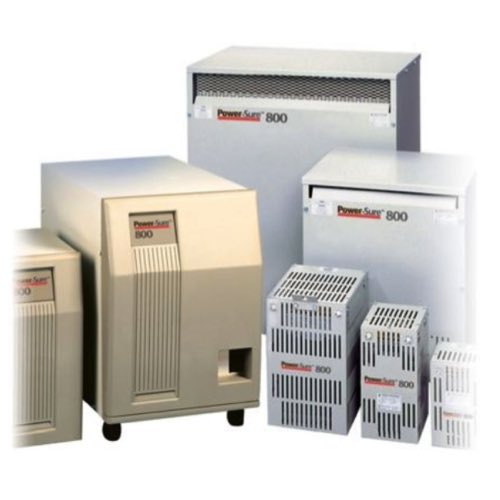
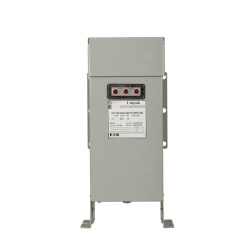
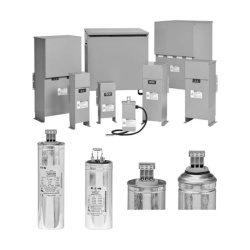
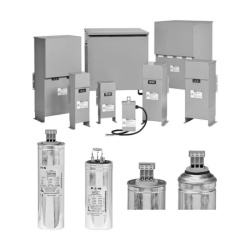
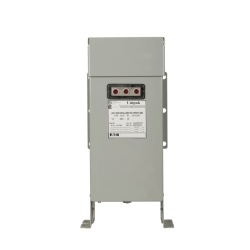
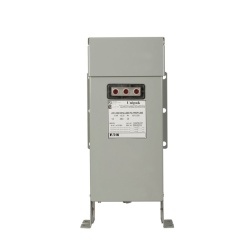
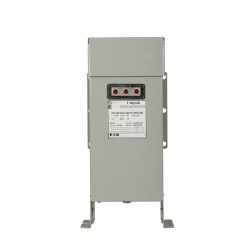
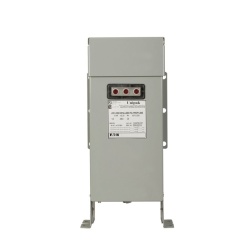
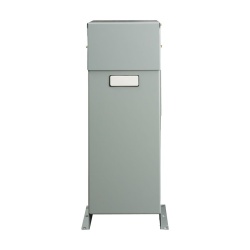
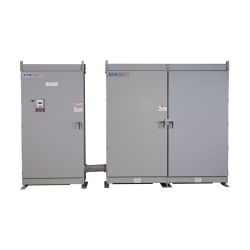
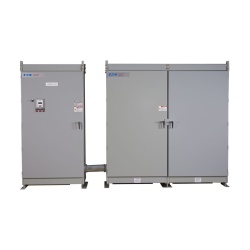
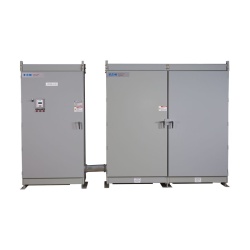
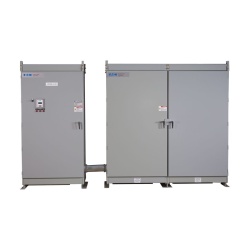
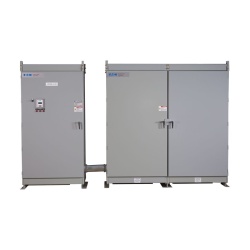
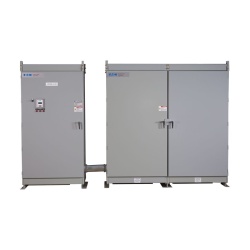
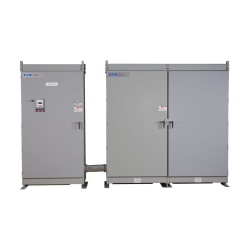
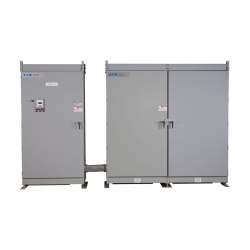
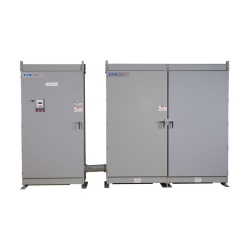
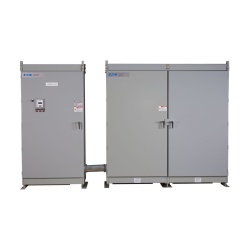
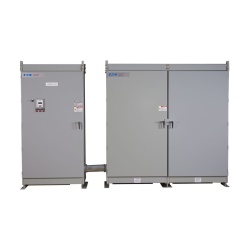
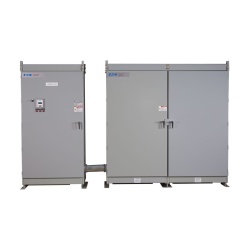
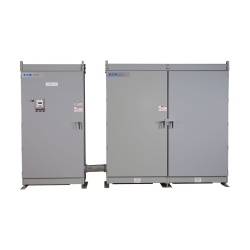
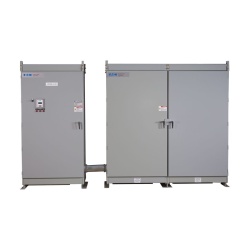
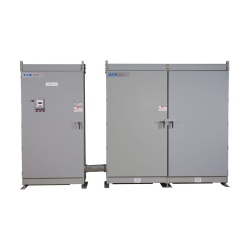
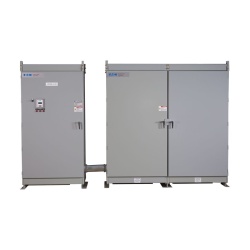
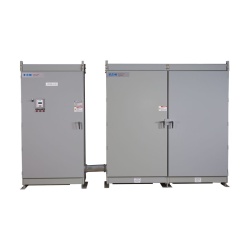
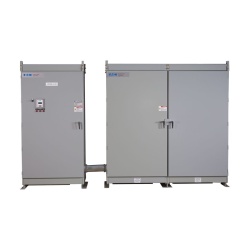
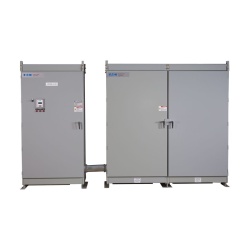
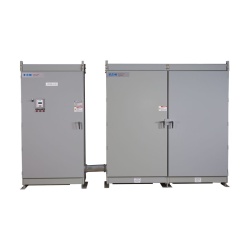
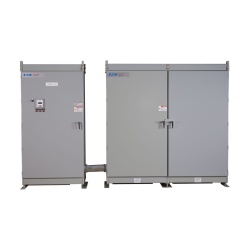
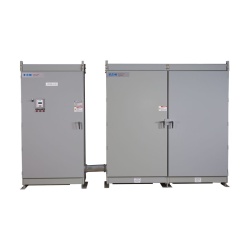
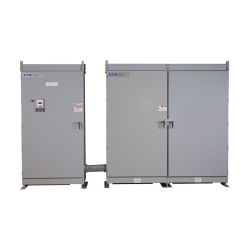
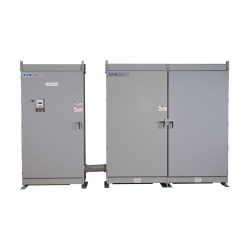
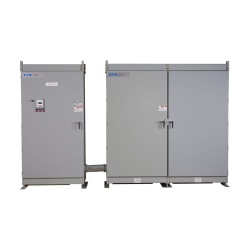
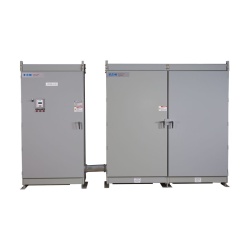
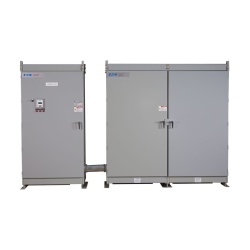
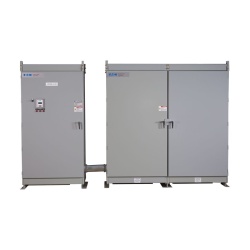
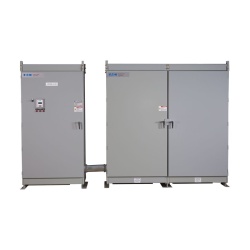
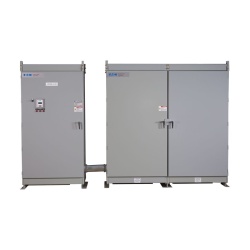
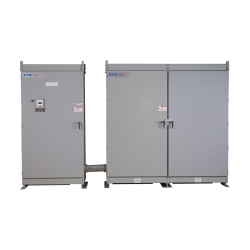
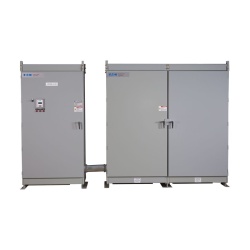
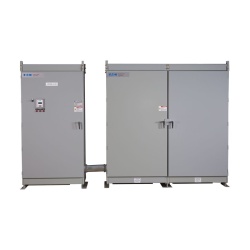
RSP Supply carries a full line of Eaton capacitors designed to improve power factor, reduce energy losses, and stabilize voltage levels in industrial and commercial electrical systems. Built for durability and efficiency, these capacitors help optimize energy use, enhance system reliability, and reduce operational costs.
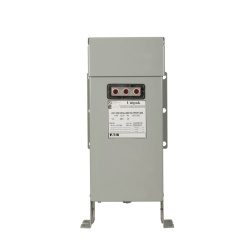
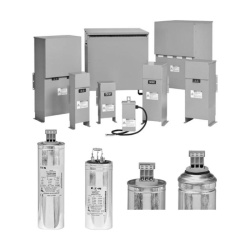
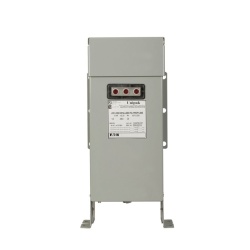
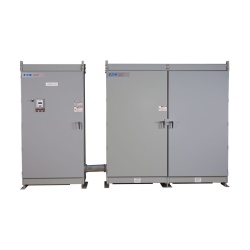
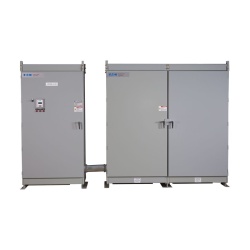
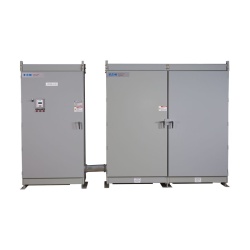
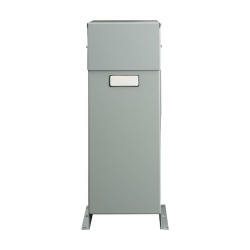
Eaton capacitors provide reactive power compensation, which supports voltage stability and helps maintain a balanced power supply across a facility. By reducing reactive demand on the grid, Eaton capacitors improve overall power quality and minimize unnecessary strain on electrical infrastructure. This translates directly to increased efficiency, fewer power interruptions, and lower utility bills. Available in fixed and automatic configurations, Eaton capacitors deliver flexible solutions for varying load conditions. Fixed capacitors are ideal for steady, predictable electrical loads, while automatic capacitor banks adjust their capacitance in real time to match system demand. These advanced designs ensure consistent system performance even under changing load conditions.
FAQs
Q: What is the main function of Eaton capacitors in electrical systems?
Eaton capacitors improve power factor, stabilize voltage, and reduce energy losses by supplying reactive power to balance electrical demand.
Q: What is the difference between fixed and automatic capacitors?
Fixed capacitors provide a constant level of reactive power, while automatic capacitors adjust their capacitance dynamically to match fluctuating load conditions.
Q: How do capacitors improve energy efficiency?
By improving power factor and reducing reactive power demand, capacitors decrease line losses and overall energy consumption, improving system efficiency.
Q: Are Eaton capacitors suitable for industrial environments?
Yes. Eaton capacitors are designed for durability and long-term operation in demanding industrial and commercial environments.
Q: What applications benefit most from power factor correction capacitors?
Capacitors are commonly used in manufacturing plants, power distribution systems, and large commercial facilities to maintain power quality and reduce utility costs.
Why Buy Eaton Capacitors from RSP Supply
RSP Supply offers a wide range of Eaton capacitors with fast shipping, competitive pricing, and expert technical support. Our specialists can help you select the right power factor correction solution to meet your system’s efficiency goals. Choose RSP Supply for dependable electrical products and trusted service that keeps your operations running efficiently.