

Disconnects
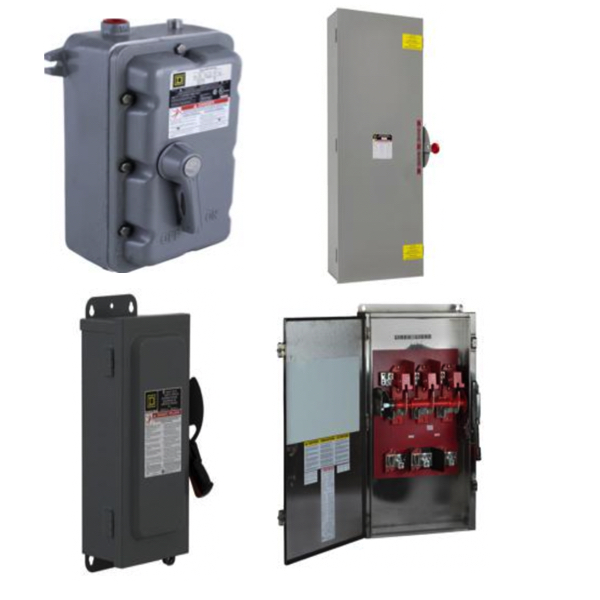
Shop a complete range of disconnect switches from RSP Supply, including fusible, non-fusible, and safety disconnects. Disconnects are essential for electrical safety, allowing operators to completely isolate circuits during maintenance or emergencies without contact with energized parts.
Fusible disconnects combine power isolation and overcurrent protection through integrated fuses, while non-fusible disconnects simply provide manual circuit disconnection when a separate protection device is already in use. Heavy-duty safety and interlock disconnects offer additional layers of control by ensuring that only authorized and properly trained personnel can access powered machinery.
These devices are widely used across industrial, commercial, and manufacturing environments to ensure safe operation and compliance with electrical safety standards. Whether you need a basic switch or a heavy-duty interlock disconnect, RSP Supply provides reliable, code-compliant solutions for every application.
 ABB Disconnects
 Appleton Disconnects
 Eaton Disconnects
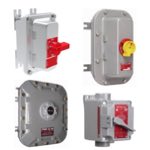 Killark Disconnects
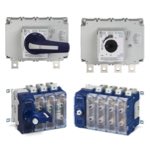 Littelfuse Disconnects
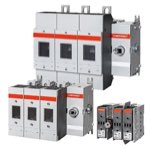 Mersen Disconnects
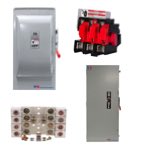 NAE Disconnects
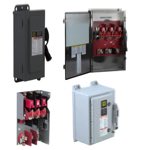 Schneider Electric Disconnects
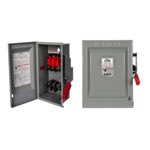 Siemens Disconnects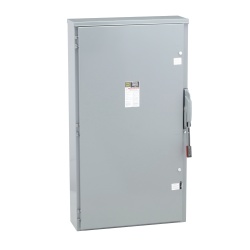
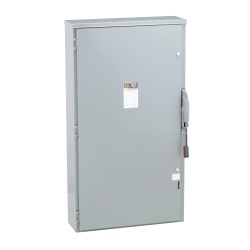
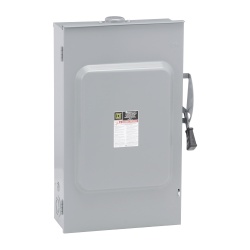
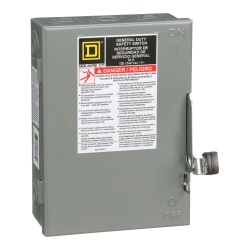
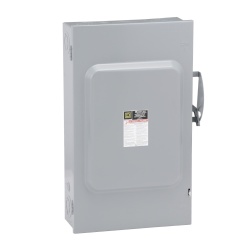
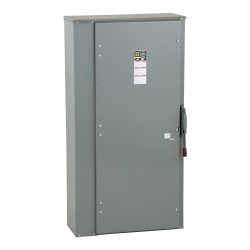
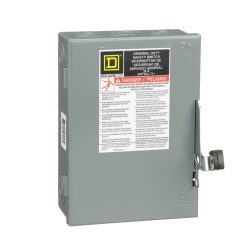
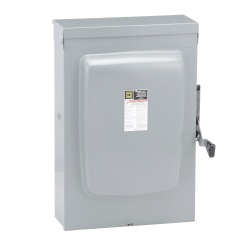
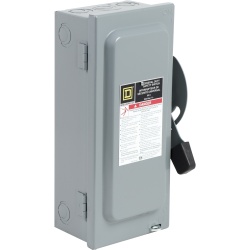
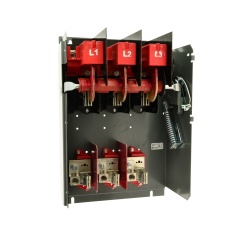
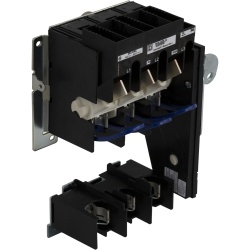
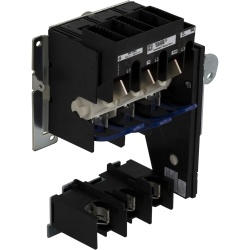


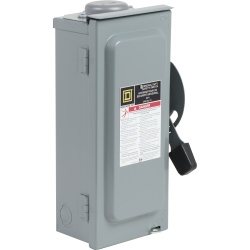
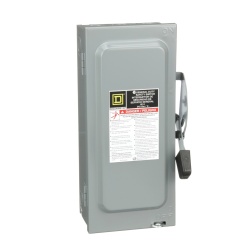
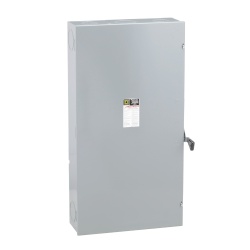
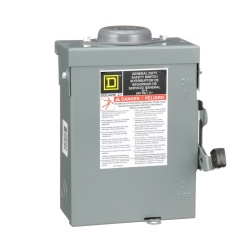
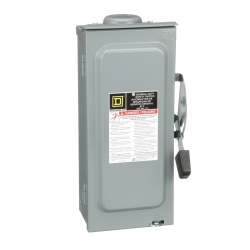
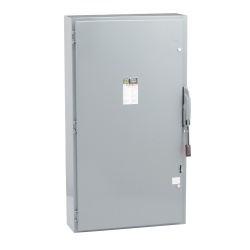
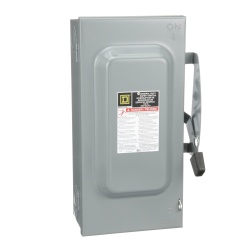
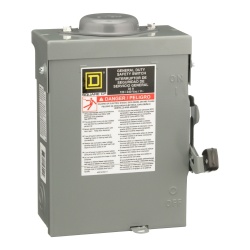
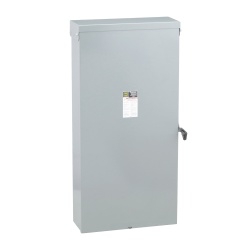
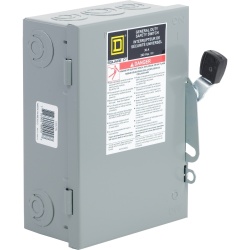
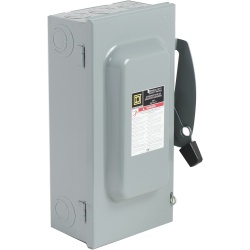
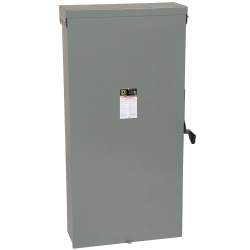
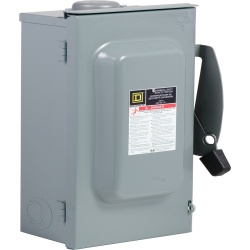
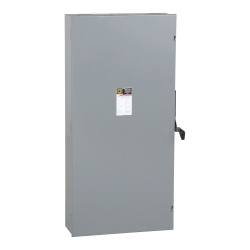
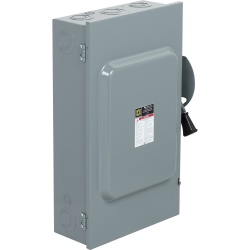
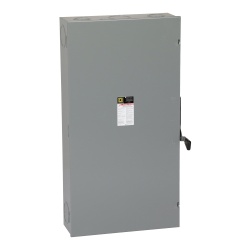
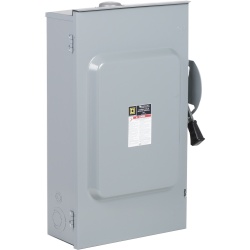
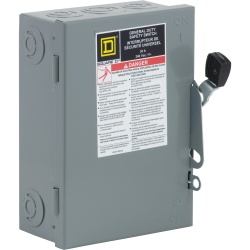
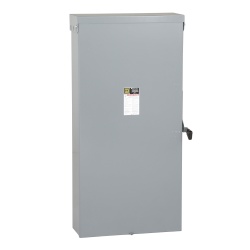
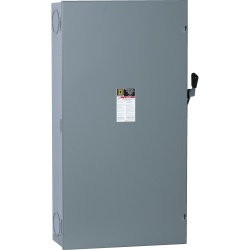
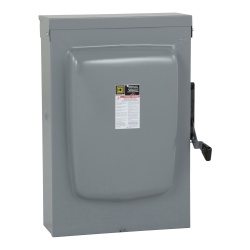
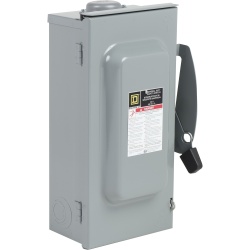
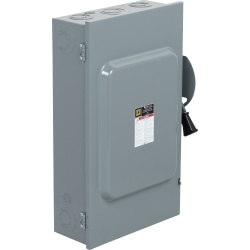
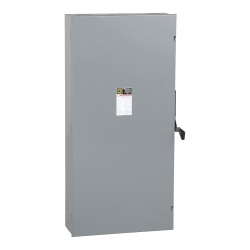
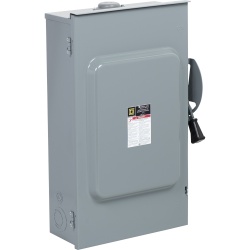
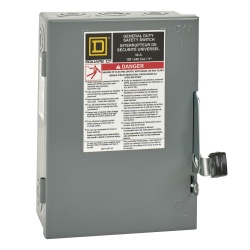
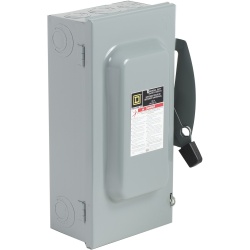
Overview of Disconnect Switches
Disconnect switches are essential safety devices used to isolate electrical equipment from its power source, ensuring circuits are completely de-energized during maintenance, servicing, or emergencies. Commonly found in industrial, commercial, and electrical distribution systems, they play a critical role in protecting personnel and equipment.
Available in general-duty, heavy-duty, fusible, non-fusible, double-throw, and hazardous-location designs, disconnect switches are built to handle a wide range of voltages, currents, and environments. Many models support lockout/tagout procedures and carry UL ratings for specific applications, helping meet electrical code and safety requirements. Overall, disconnect switches provide a reliable, visible means of power isolation, making them a foundational component of safe and compliant electrical systems.
FAQs
1. What is the main purpose of a disconnect switch?
A disconnect switch isolates electrical equipment from its power source, making it safe for maintenance, repairs, or inspections. It allows manual interruption of power without exposure to live components.
2. What’s the difference between fusible and non-fusible disconnects?
A fusible disconnect includes fuses that provide overcurrent protection in addition to power isolation. A non-fusible disconnect only cuts power manually and does not include built-in protection.
3. Where are safety disconnects typically used?
Safety disconnects, also known as interlock switches, are used in industrial environments, manufacturing facilities, and commercial kitchens. They prevent power from being restored until access doors or panels are safely closed.
4. How are disconnect switches different from regular on/off switches?
Disconnect switches are designed for safety isolation, not routine control. They provide a visible and secure means of power separation and are built to handle higher currents and fault conditions than standard switches.
5. Do I need both a disconnect switch and circuit protection?
In most systems, yes. Disconnects provide manual power isolation, while circuit protection devices (like fuses or breakers) automatically trip during overcurrent or surge events. Using both ensures full electrical safety and compliance.