

Peplink Cellular Antennas
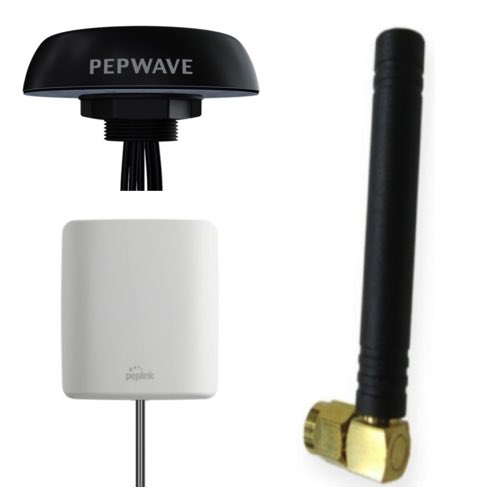
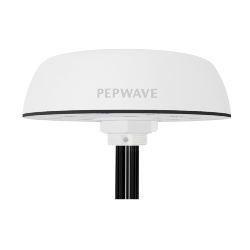
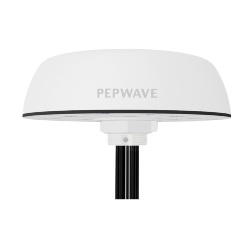
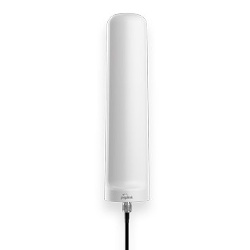
Peplink cellular antennas are made to get the very best performance out of 4G and 5G networks, especially when used with Peplink routers and modems. They're engineered with high efficiency and low loss—this means that devices using these antennas have a better chance of maintaining a connection to nearby cell towers and stable throughput, even when signal conditions aren't ideal. Because Peplink designs both the routers and many of the antennas, the tuning between the components tends to be very well matched, giving users a noticeable boost in consistency and speed.
One of the main things you notice about Peplink antennas is that they focus on multi-element MIMO (multiple input, multiple output) performance. Many of their models use carefully spaced and tuned elements to maximize data throughput and minimize interference and signal reflection. For businesses, this means a better streaming experience, faster downloads, and more reliable failovers.
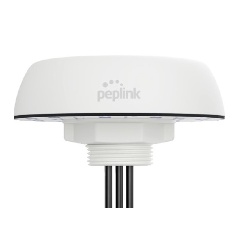
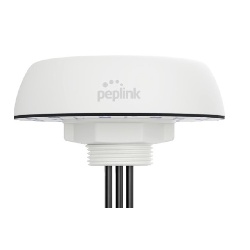
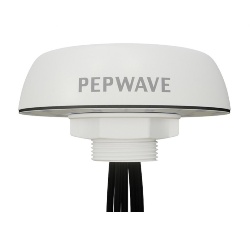
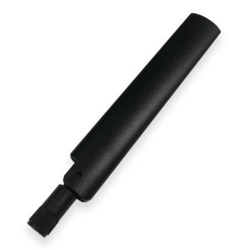
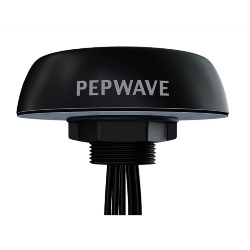
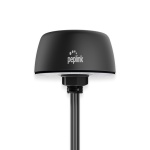
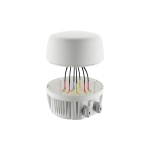

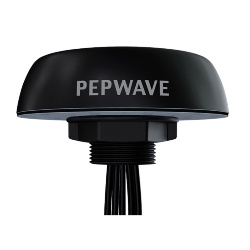
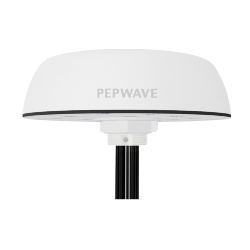
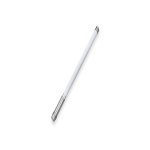
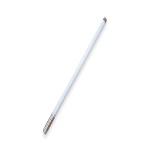
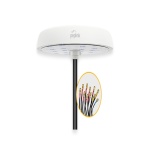
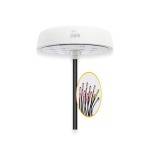
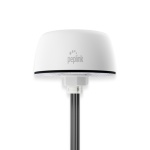
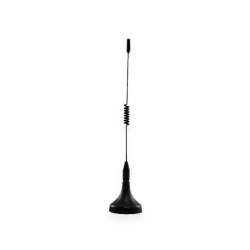
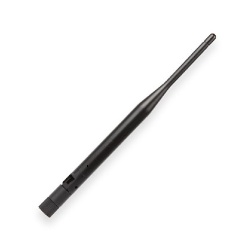
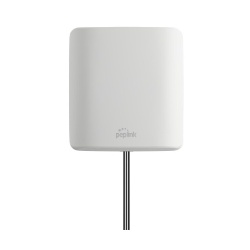
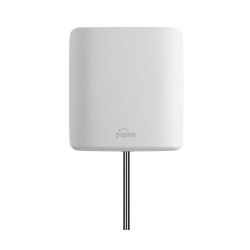
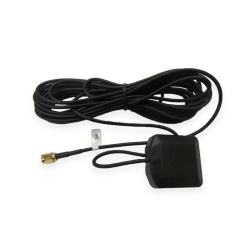
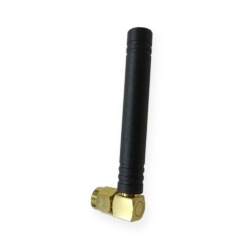
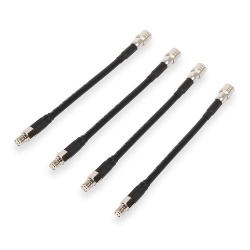
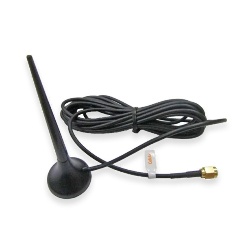
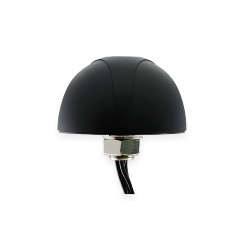
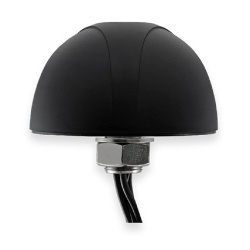
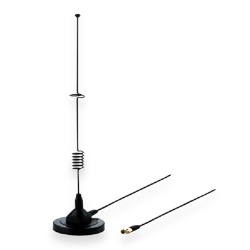
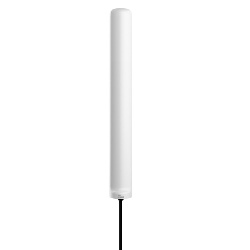
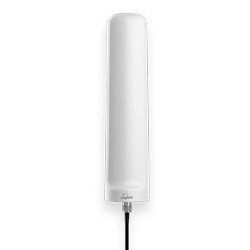
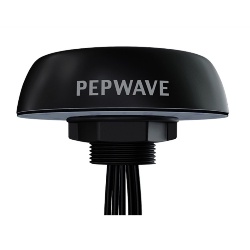
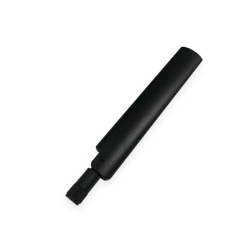
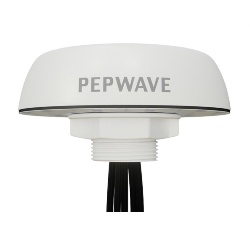
More Information about Peplink Cellular Antennas
MIMO is something you would expect to see on antennas made for 4G and 5G networks. But you also see it on Peplink antennas used with 3G networks, which gives you an idea of just how capable these antennas are. And capable is exactly what you need, whether your networking application is SD-WAN, enterprise networking, in-vehicle mobile deployments, public safety, or some other scenario. Additionally, Peplink offers combined antennas that incorporate cellular, GPS, and Wi-Fi components into a single, low-profile unit that can be easily installed on a vehicle or rooftop. This selection of antennas, along with Peplink's well-known reliability, makes them a good choice for organizations that need to create a high-performance, trustworthy wireless network.
FAQs
What are Peplink cellular antennas used for?
Peplink antennas improve 4G and 5G connectivity for routers, gateways, SD-WAN devices, vehicles, and fixed wireless installations.
Do Peplink antennas work with all major carriers?
Yes. Most models support multi-band LTE and 5G frequencies compatible with AT&T, Verizon, T-Mobile, FirstNet, and global networks.
Are Peplink antennas only for Peplink routers?
No. While optimized for Peplink devices, they are also compatible with many third-party routers, modems, and IoT gateways that use standard connectors.
Do Peplink antennas help in weak-signal areas?
They often do. Their high-efficiency elements and MIMO designs help maintain cleaner, stronger signals in challenging RF environments.
Are Peplink cellular antennas good for mobile deployments?
Yes. Many models are built for RVs, boats, emergency vehicles, buses, and other applications that require reliable 360-degree coverage.
Why Buy Peplink Cellular Antennas from RSP Supply
RSP Supply offers Peplink cellular antennas engineered for dependable 4G and 5G performance in demanding industrial and mobile environments. Our selection supports reliable connectivity for critical networking and communication applications.